New models5 min read
New electric cars 2026: four important models at a glance
Which new electric cars define 2026? We present four models for which the manufacturers have published concrete data: two large SUVs with 800-volt technology and two compact electric cars for the city. All figures come from the brands' own press releases.
Published on
New electric cars 2026: two trends
The new electric cars of 2026 are heading in two directions. In the mid-size and premium classes, manufacturers rely on 800-volt technology: it allows charging power of 300 kW and more and shortens the breaks on long journeys. Small cars, by contrast, are about simple, robust technology – such as batteries with lithium iron phosphate (LFP) cells and front-wheel drive.
What many newcomers share is bidirectional charging: the car can not only take in electricity but also give it back, for example to an e-bike or – with a suitable wallbox – to the house. Important: ranges are standardised WLTP values, and several manufacturers explicitly describe their figures as provisional.
BMW iX3: the start of the Neue Klasse
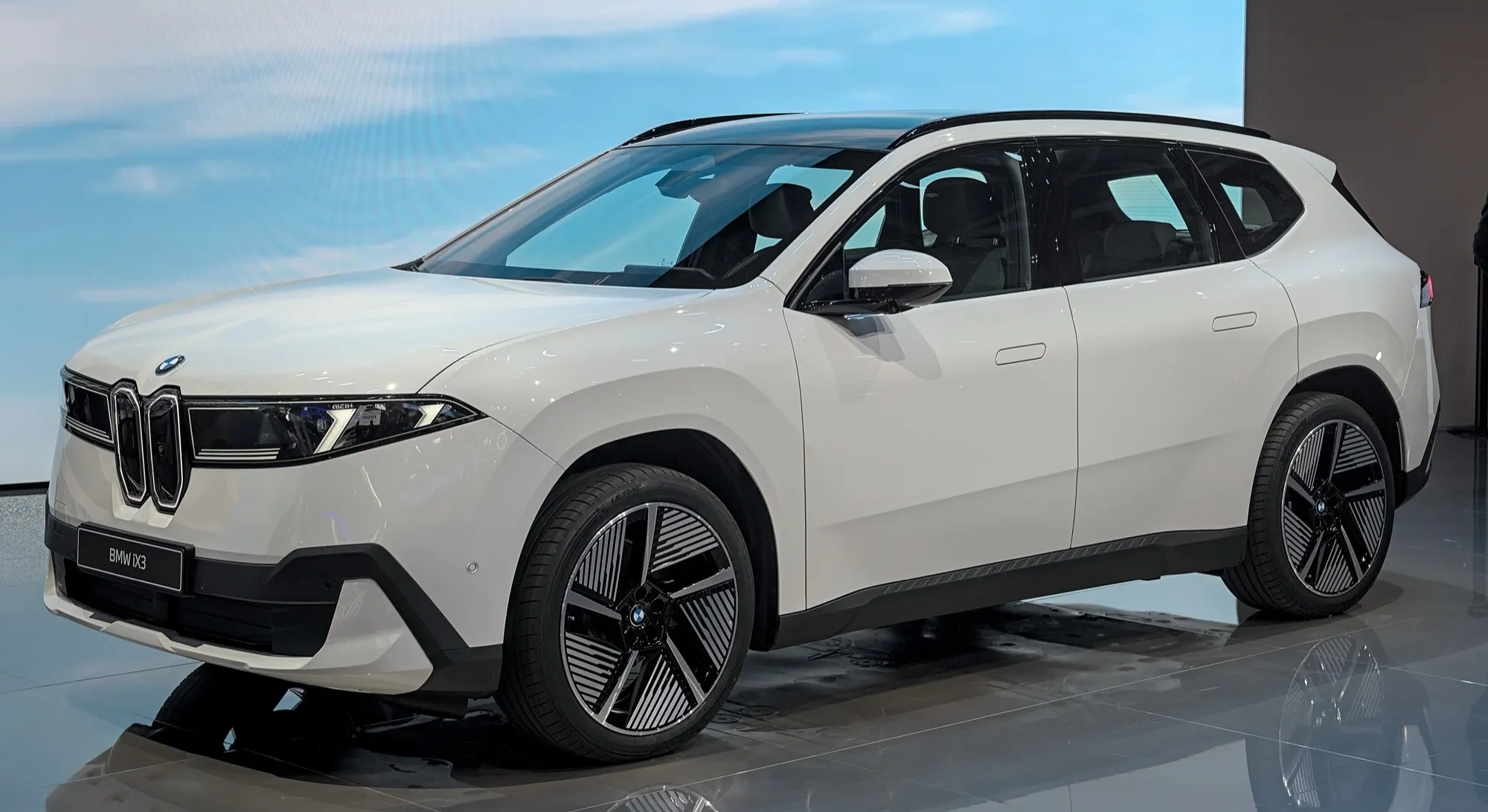
The BMW iX3 is the first model of the Neue Klasse. For the iX3 50 xDrive, BMW quotes a battery with 108.7 kWh of usable capacity, a WLTP range of up to 805 kilometres and DC charging power of up to 400 kW. Going from 10 to 80 per cent is said to take 21 minutes.
The SUV has been built in Debrecen, Hungary, since autumn 2025; deliveries began in spring 2026, depending on the market. The controls are new as well, with a display across the full width of the windscreen.
Mercedes-Benz GLC with EQ Technology
Mercedes-Benz is adding an all-electric model series alongside the familiar GLC. It starts with the 360 kW GLC 400 4MATIC and a battery with 94 kWh of usable capacity. The manufacturer gives a WLTP range of up to 713 kilometres and consumption of 18.8 to 14.9 kWh/100 km – both provisional values.
The GLC also works at 800 volts and, according to Mercedes-Benz, charges with up to 330 kW; ten minutes should add around 300 kilometres of range. The car is prepared for bidirectional charging, but availability depends on the rules in each country.
VW ID. Polo: the electric small car
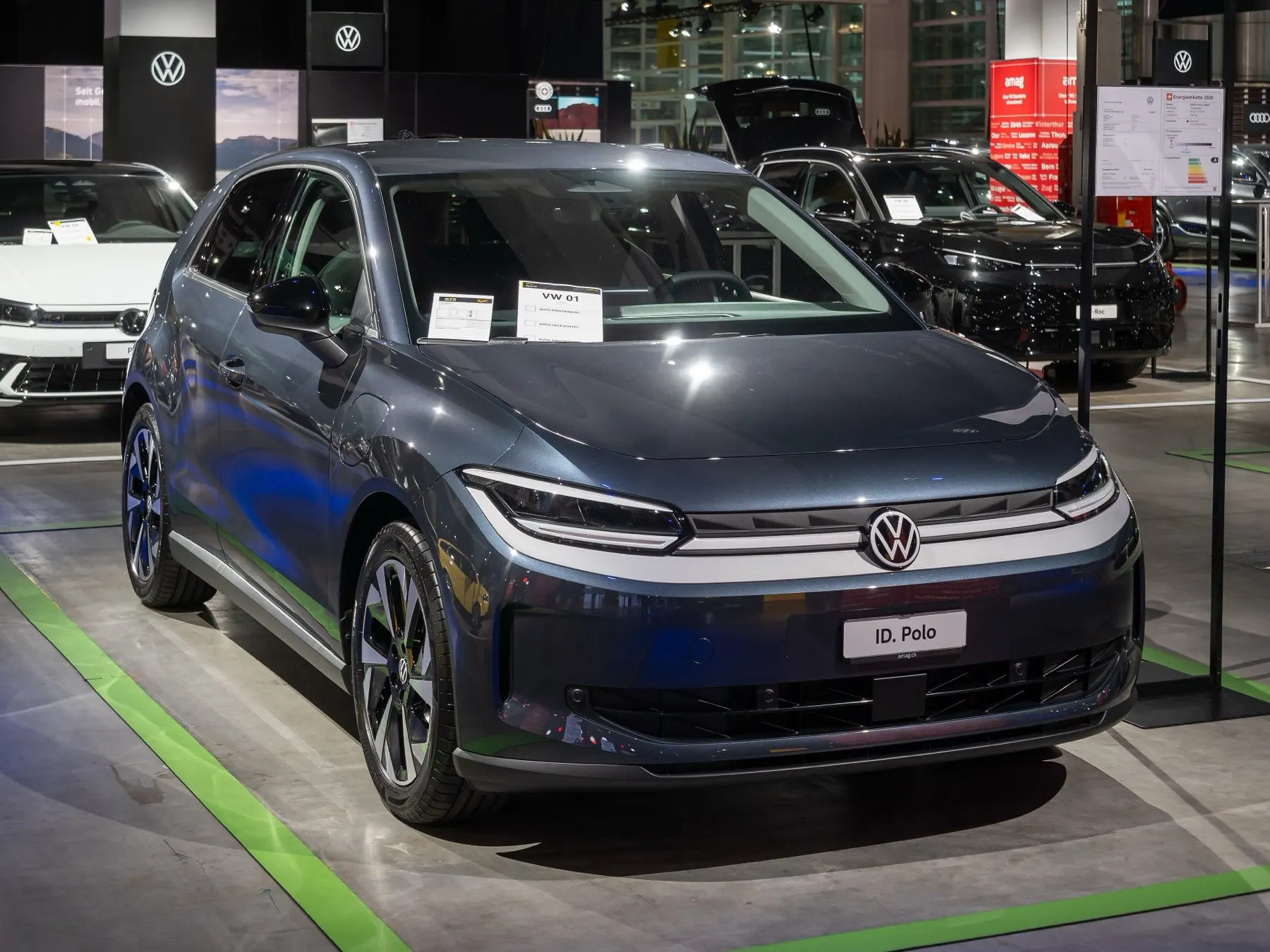
Volkswagen revealed the ID. Polo as a world premiere on 29 April 2026. It is 4,053 millimetres long, has front-wheel drive and a boot of up to 441 litres. Buyers can choose 85 kW or 99 kW with a 37 kWh battery (LFP), or 155 kW with a 52 kWh battery (NMC); the capacities are net values.
Volkswagen forecasts a range of up to 329 kilometres with the small battery and up to 454 kilometres with the large one. DC charging runs at up to 90 and 105 kW respectively. As standard, the ID. Polo can power external devices with up to 3.6 kW. A GTI version with 166 kW has been announced for 2027.
Škoda Epiq: compact SUV with a big boot
Like the ID. Polo, the Škoda Epiq uses the front-wheel-drive MEB+ platform. Škoda offers three versions: the Epiq 35 with 85 kW and the Epiq 40 with 99 kW, both with 37 kWh net (LFP), and the Epiq 55 with 155 kW and 52 kWh net (NMC). According to the manufacturer, range is around 310 kilometres for the small battery and up to 440 kilometres for the Epiq 55.
Škoda says rapid charging from 10 to 80 per cent takes 23 to 24 minutes depending on the version, and 11 kW AC charging is standard. The boot holds 475 litres. The Epiq can supply devices with electricity and, with a compatible DC wallbox, the house as well.
What buyers in Switzerland should look out for
Figures on paper do not yet tell you whether a car suits your everyday life. If you live in a rented flat in Zurich, first find out where you will be able to charge. For commuters with a wallbox, maximum rapid-charging power matters less than for drivers who cover long motorway distances.
Semes Automobile AG in Zurich-Oerlikon is an independent garage for all makes and is not a dealer for any of the brands mentioned. New cars are available from each brand's dealers; our current used cars from various makes are listed on our vehicles page.
- Sort out charging at home or at work before you buy
- Choose battery size according to your own journeys, not the highest standard figure
- Treat WLTP range as a basis for comparison; in winter and on the motorway it is lower
- On the test drive, take your time to try the controls, visibility and assistance systems
Frequently asked questions
Which new electric cars are coming onto the market in 2026?
Important newcomers include the Neue Klasse BMW iX3, the electric Mercedes-Benz GLC, the VW ID. Polo and the Škoda Epiq. The manufacturers have published technical data for all four.
What is the benefit of 800-volt technology?
At a higher voltage, less current flows for the same power. That allows high charging power: BMW quotes up to 400 kW for the iX3, Mercedes-Benz up to 330 kW for the GLC. You can only make use of it at suitably powerful chargers.
Are LFP batteries worse than NMC batteries?
Not worse, just different. LFP cells do without nickel and cobalt and are regarded as robust, but store less energy per kilogram. That is why they are often found in entry-level versions with a shorter range.
Sources
- The start of a new era: the new BMW iX3 – BMW Group Newsroom
- The new Mercedes-Benz GLC: suspension; driving assistance systems; seating comfort; charging – Mercedes-Benz Media
- Der neue ID. Polo – Weltpremiere – Volkswagen Newsroom
- Škoda Epiq: the new all-electric entry model, combining accessibility, compact dimensions and everyday practicality – Škoda Storyboard
- Škoda Epiq – Battery and powertrain variants: front-wheel drive architecture and efficient electric performance – Škoda Storyboard
The facts in this article are based on these sources (accessed on 28 November 2026). For binding information, the body concerned is authoritative. General information without warranty; it does not replace individual advice.
More articles
New models
BMW iX3 Neue Klasse: technology, range and charging at a glance
The BMW iX3 opens the Neue Klasse era: an all-new electric platform with 800-volt technology, a large battery and a new way of operating the car. Here is what BMW states for the first model of this generation – and what it means in everyday driving.
5 min read
New models
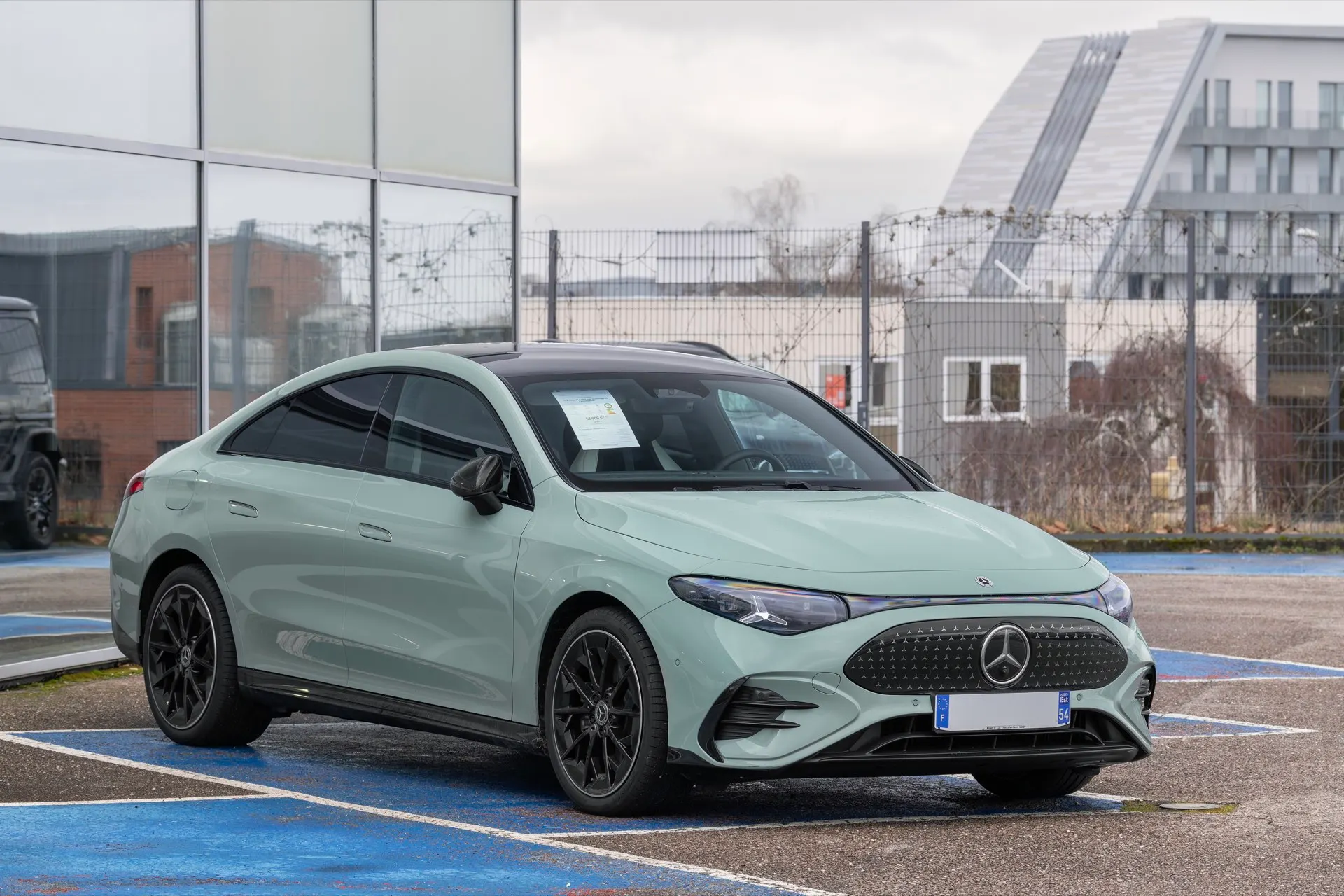
Mercedes CLA electric: range, 800 volts and charging explained
The electric Mercedes CLA is the first model of a new vehicle family from Mercedes-Benz. With 800-volt technology, a two-speed gearbox and a heat pump as standard, it is designed for low consumption. Here are the manufacturer's key figures, put into context.
5 min read
New models
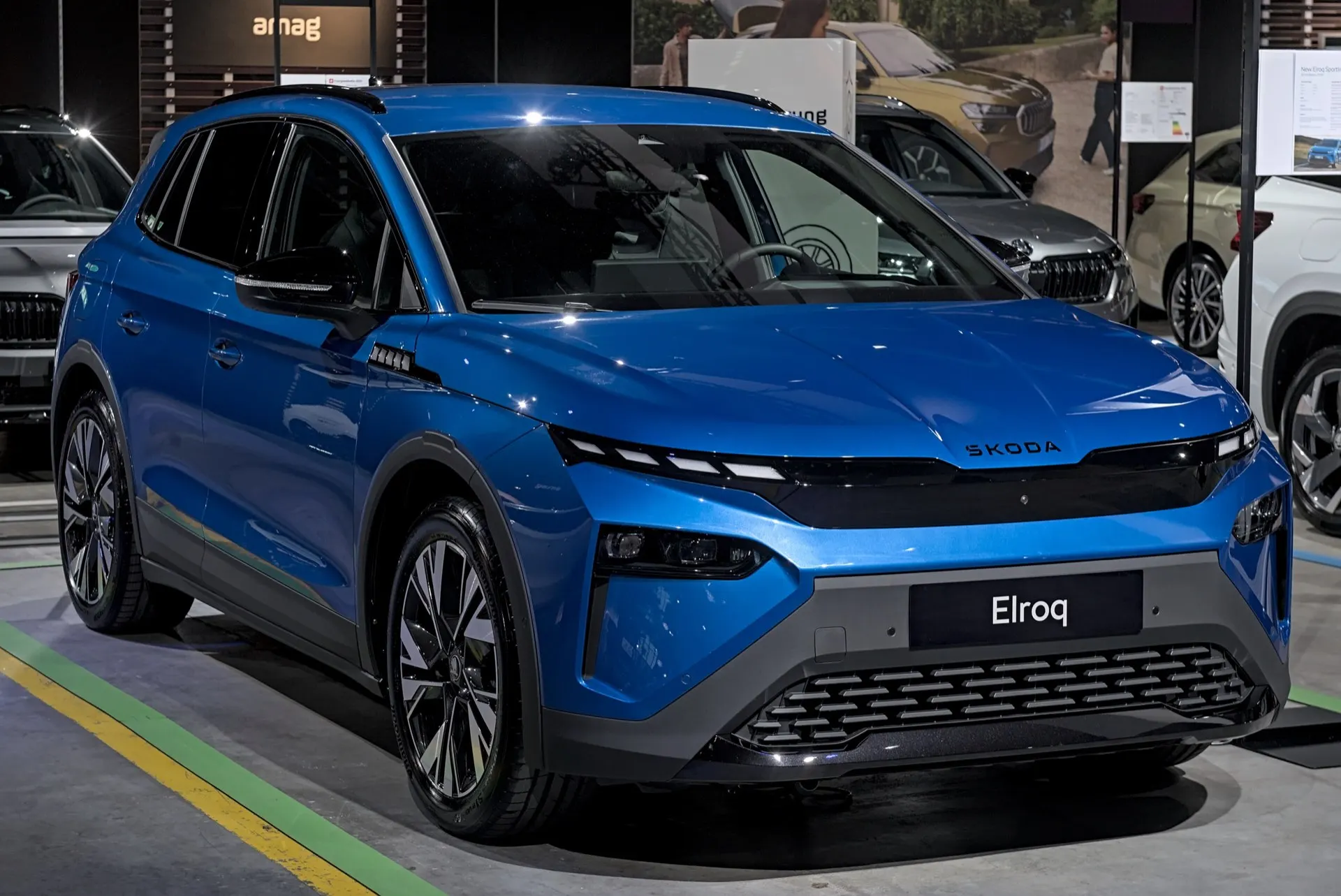
Škoda Elroq: range, batteries and charging at a glance
The Škoda Elroq is the brand's first purely electric compact SUV and the first model with the new Škoda design. It comes with three battery sizes and rear-wheel or all-wheel drive. We summarise the manufacturer's figures and show what matters in everyday use.
5 min read