Technology5 min read
Driver assistance systems: what the camera and radar in your car do
Emergency braking, lane keeping, adaptive cruise control: modern driver assistance systems rely on a camera, radar and further sensors. Knowing how they perceive the road also explains why a new windscreen or a minor bump can affect the technology.
Published on
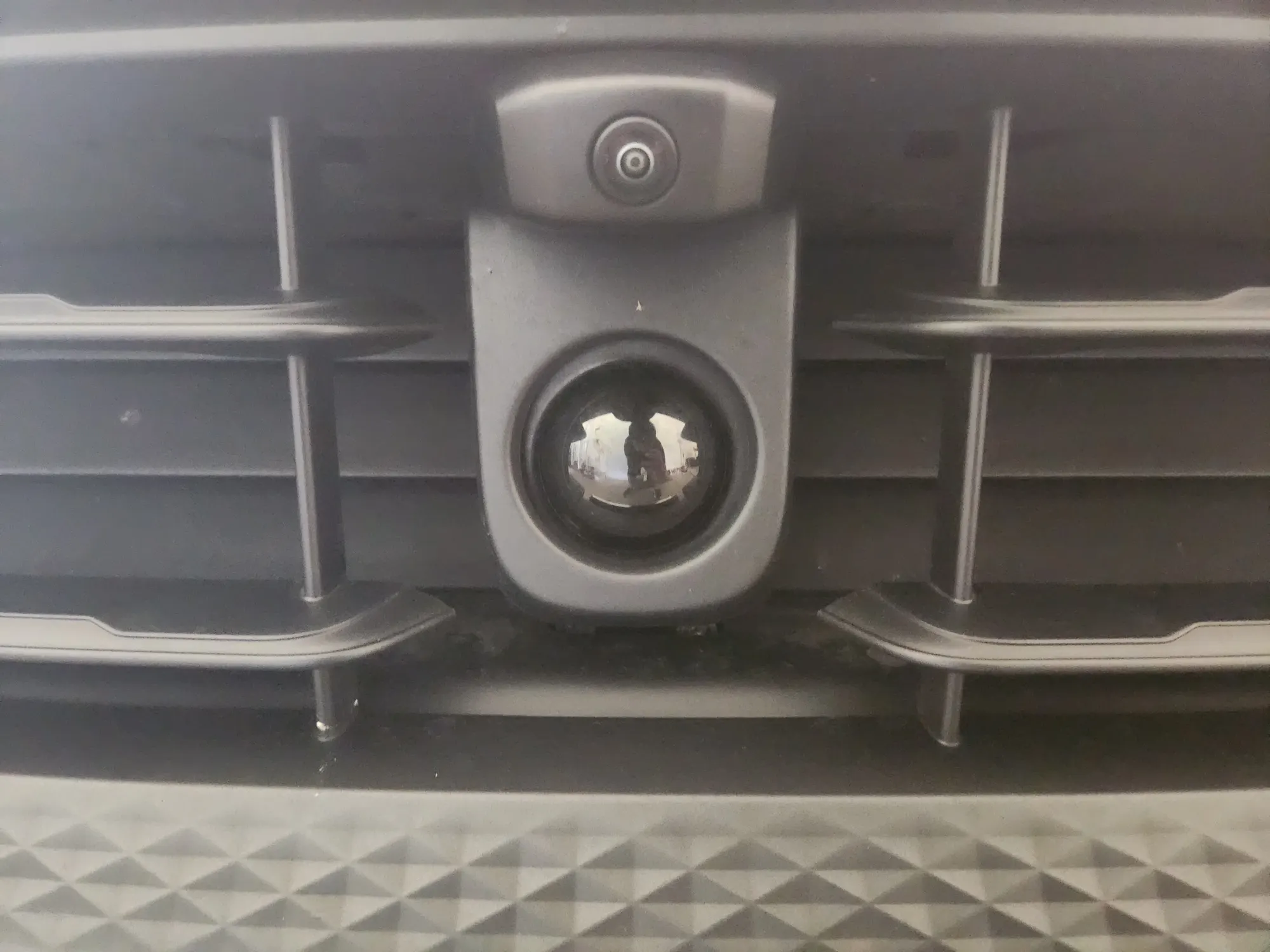
Camera, radar, ultrasound: the car’s senses
Driver assistance systems scan the vehicle’s surroundings with sensors. The Swiss Council for Accident Prevention (BFU) names camera, radar, lidar, infrared camera and ultrasonic sensors as the main building blocks. Each has different strengths, which is why manufacturers usually combine several of them.
From these readings, control units work out where the lane runs, how far away the vehicle ahead is and whether an obstacle is in the way. Depending on the system, the result is a warning, a brief intervention in the brakes or steering, or continuous support.
- Camera: usually mounted at the top behind the windscreen; it recognises lane markings, traffic signs and objects ahead.
- Radar: measures the distance and speed of other vehicles and feeds adaptive cruise control and emergency braking.
- Ultrasound: works at close range, for example when parking. According to the TCS it needs fairly large surfaces roughly parallel to the car; angled surfaces deflect the signal.
- Lidar and infrared: lidar scans the surroundings with laser beams, while the infrared camera of a night vision assistant makes people and animals visible in the dark.
The assistants built on these sensors
The BFU groups the systems by their effect: some only inform and warn, some intervene selectively in an emergency, others provide continuous support. The assistants it rates as most relevant to safety include:
- Emergency brake assist: monitors the space ahead and brakes by itself or increases brake pressure when a collision is imminent.
- Emergency lane keeping: detects the markings, warns when the car leaves its lane and steers back.
- Adaptive cruise control: holds the chosen speed and adapts it to the traffic ahead.
- Lane change warning: watches the neighbouring lanes and the blind spot.
- Speed and traffic sign assistance, plus fatigue and attention warning.
Mandatory in new cars
In the EU, the General Safety Regulation prescribes a number of these systems. It has applied to new vehicle types since July 2022 and, according to the European Commission, to all new vehicles sold in the EU since 7 July 2024. The list covers intelligent speed assistance, reversing detection with a camera or sensors, driver drowsiness and attention warning, and the emergency stop signal. Cars and vans additionally need lane keeping, automated braking and an event data recorder.
The TCS also took this date as a reason to examine the technology. Anyone driving a new car or a young used car today therefore almost always has a front camera and often radar sensors on board, even in the base version.
Where the technology reaches its limits
A sensor cannot see more than its physical principle allows. According to the BFU, heavy rain, heavy snowfall, fog and a low sun can restrict the camera. The TCS notes that in bad weather the systems often receive wrong information or miss objects. In its trials, lane keeping assistants sometimes steered inappropriately, struggled with roadworks markings and misread speed limits.
Responsibility therefore stays with the person at the wheel. The BFU and the TCS nevertheless advise leaving the assistants switched on while knowing their limits. In everyday driving, this helps most:
- Keep the windscreen clean, especially in front of the camera module.
- Clear dirt, snow and ice from the sensors in the bumpers and the grille.
- Have the systems explained to you and know how to override a steering intervention.
- Do not try out emergency braking out of curiosity: nothing ensures that it prevents every accident.
Calibration: when camera and radar have to be set up again
For the electronics to calculate correctly, the position and alignment of the sensors must be exact. Even small deviations can make an assistant misjudge what is in front of the car. The Austrian motoring club ÖAMTC names three typical occasions: replacing the windscreen, bodywork repairs and rear-end collisions, even minor ones, because changes are not always visible from outside. The BFU likewise recommends having the sensors recalibrated by a garage after an accident or parking damage.
During calibration the axle geometry is checked first; the rear axle serves as the reference for aligning the equipment. Calibration boards, whose patterns are defined by each manufacturer, are then placed in front of the vehicle. The camera is set up first, followed by the radar using a reflector. The control unit compares the target image with the actual one, calculates the offset and readjusts the sensors.
The procedure needs space, measuring equipment and the specifications of the manufacturer concerned. Not every garage carries it out in-house; some work with partners. When a windscreen is replaced or accident damage repaired, ask explicitly whether calibration is needed and who will do it.
After an accident: remember the sensors
A dented bumper or a shifted grille is more than a cosmetic flaw if a radar sensor sits behind it. So tell the garage about minor bumps as well, and about any assistant error messages that have appeared since. That makes it possible to judge whether the sensors need checking.
Semes Automobile AG in Zürich-Oerlikon repairs accident and body damage on vehicles of all makes. When you request an appointment, mention which assistance systems your car has, so that the repair can be planned accordingly.
Frequently asked questions
Does the camera need calibrating after a windscreen replacement?
If a camera for assistance systems sits behind the glass, replacing the windscreen is, according to the ÖAMTC, one of the typical occasions for calibration. The vehicle manufacturer’s specifications are decisive.
May I switch driver assistance systems off?
Many systems can be switched off. The BFU and the TCS advise against it because safety is lost. It is more useful to know the functions and how to override them.
Why does my car report a blocked sensor in winter?
Snow, ice and dirt can cover the camera and radar. Cleaning the windscreen and the sensor surfaces is often enough. If the message stays, a garage should take a look.
Sources
- Fahrerassistenzsysteme im Auto: Mehr Sicherheit im Verkehr – BFU, Beratungsstelle für Unfallverhütung
- Mandatory drivers assistance systems expected to help save over 25,000 lives by 2038 – Europäische Kommission
- Grenzen moderner Fahrerassistenzsysteme 2024 – TCS
- Sitzen deine Sensoren richtig? – ÖAMTC
The facts in this article are based on these sources (accessed on 28 November 2026). For binding information, the body concerned is authoritative. General information without warranty; it does not replace individual advice.
More articles
Technology
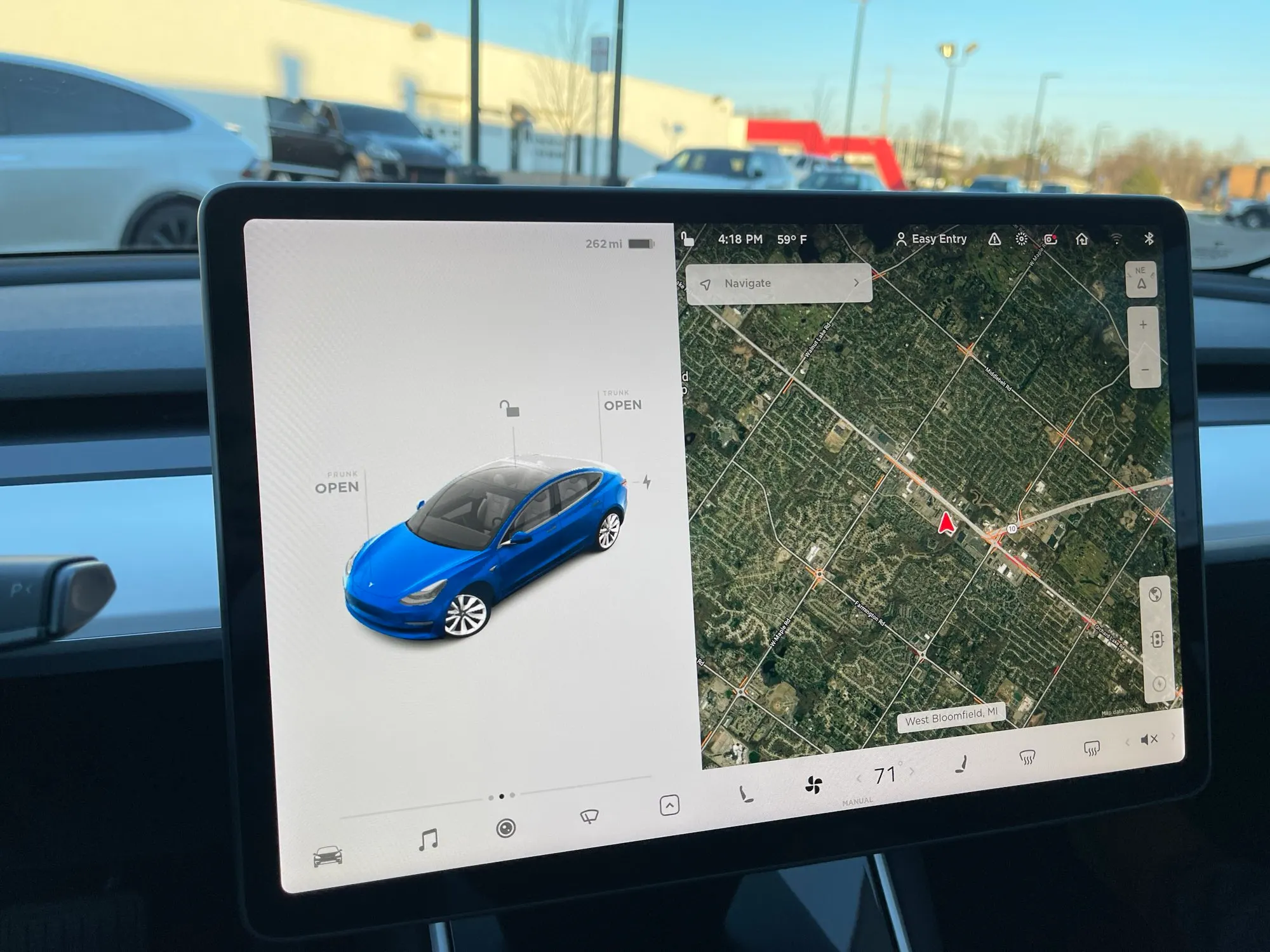
Over-the-air updates in cars: what software can do remotely
New functions, fixed bugs, fresh maps – without a visit to the workshop. Over-the-air updates turn the car into a device that updates itself like a smartphone. That is convenient, but it also raises questions.
5 min read
Technology
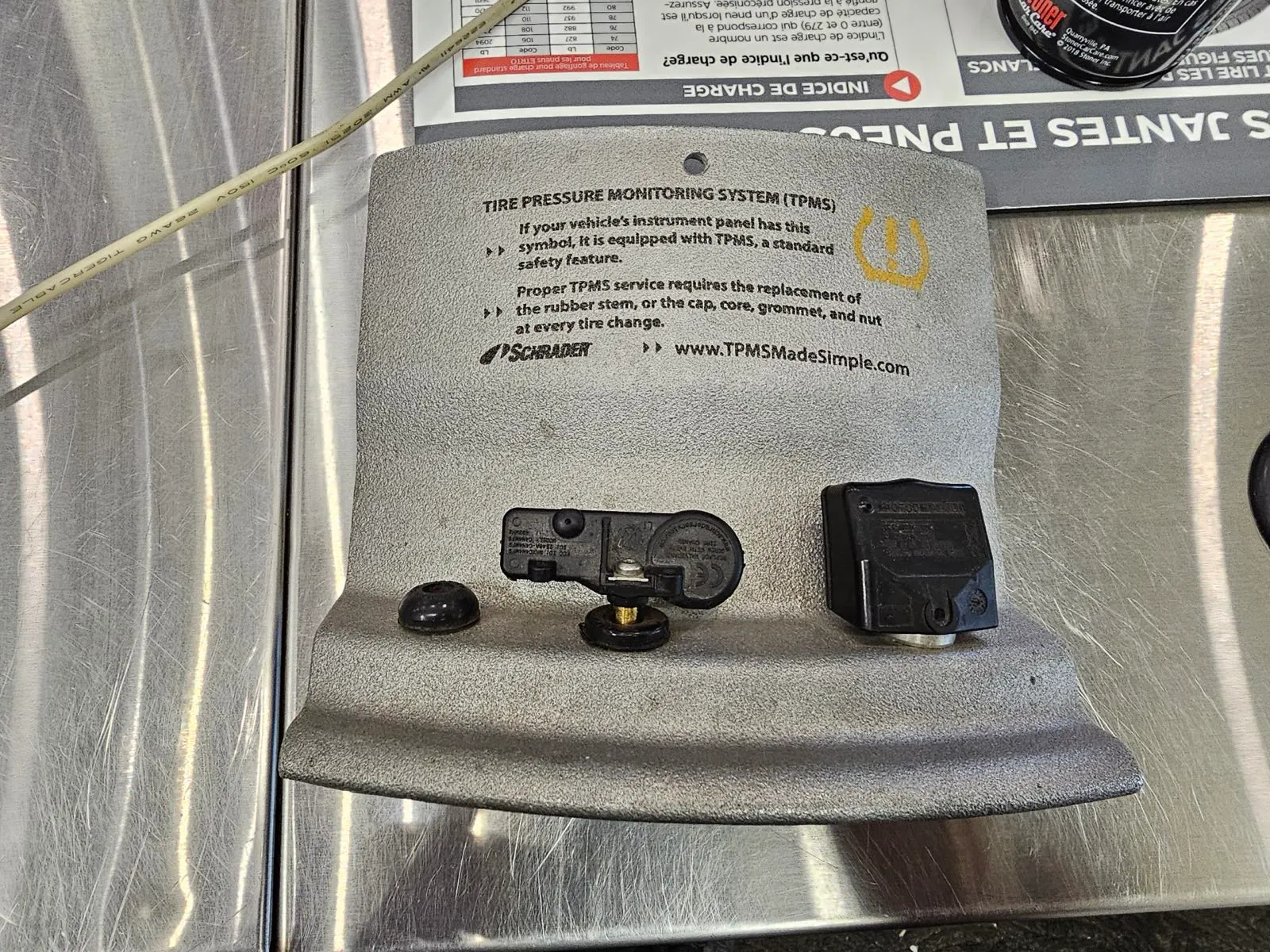
Tyre pressure monitoring system (TPMS): how it works, warning light, tyre changes
The tyre pressure monitoring system – TPMS, in German RDKS – watches the air pressure in your tyres and warns you when it drops. How the two designs work, what the yellow warning light means and why the system matters when you switch to winter wheels.
5 min read
Advice
Buying a used car in Switzerland: a checklist for papers, viewing and contract
If you want to buy a used car, an “Occasion” in Swiss usage, a checklist serves you best: first the papers, then the car, then the contract. That way you spot the main pitfalls before signing, whether at a dealer or with a private seller.
6 min read