Technology5 min read
Over-the-air updates in cars: what software can do remotely
New functions, fixed bugs, fresh maps – without a visit to the workshop. Over-the-air updates turn the car into a device that updates itself like a smartphone. That is convenient, but it also raises questions.
Published on
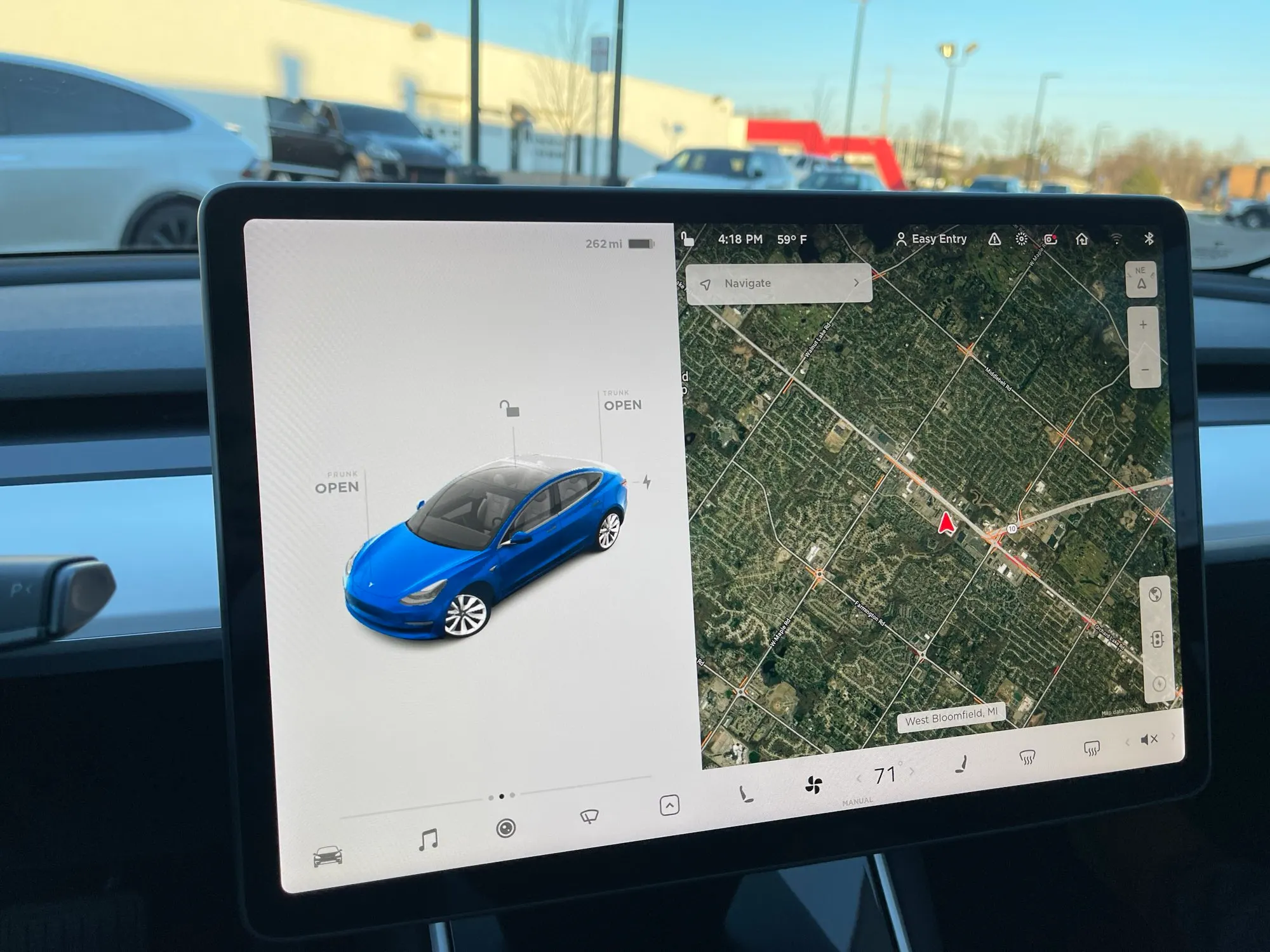
Over-the-air updates in cars: how the software gets into the vehicle
With an over-the-air (OTA) update, new software reaches the car wirelessly, usually over the mobile network – much as on a smartphone. The prerequisite is a connected vehicle. According to the German motoring club ADAC, mobile internet is now standard equipment even in the compact class, so data can flow in both directions between car and manufacturer.
ADAC says the process takes from a few seconds to several minutes, depending on its size, and is often free of charge. What used to require an appointment at the brand's dealer is now partly handled by the car itself while it is parked.
What an update can change
ADAC essentially distinguishes three kinds of update. They range from the invisible bug fix to the paid extra function:
With the extra functions, the necessary hardware is already fitted in the car and is only unlocked by software against payment – depending on the manufacturer for a month, a year or without a time limit. As examples ADAC names matrix LED headlights, parking and high-beam assistants, navigation or smartphone interfaces. When buying a used car it is therefore worth asking which functions are unlocked permanently and which only run as a subscription.
- Bug fixes and technical improvements, which the manufacturer sometimes installs unnoticed
- New versions of the operating system, which keep older models up to date and more secure as well
- Unlocking additional functions against payment (“functions on demand”)
Which rules apply – in Switzerland too
Software that reaches the car by radio is a possible gateway for attacks. There are therefore two international sets of rules: UN Regulation No. 155 on cybersecurity and Regulation No. 156 on software updates. As the German Federal Motor Transport Authority (KBA) explains, manufacturers have to prove for type approval that they operate effective management systems for cybersecurity and for software updates. They must monitor their vehicle fleet and report vulnerabilities or attacks.
Switzerland has adopted the requirements on protection against cyberattacks. Under the instructions issued by the Federal Roads Office (FEDRO) in August 2024, passenger cars, buses, vans and lorries must comply with Regulation (EU) 2019/2144 as regards protection against cyberattacks for their first registration in Switzerland. Vehicles imported or built in Switzerland from 7 July 2024 need, as a rule, an approval under UN Regulation No. 155. According to FEDRO, more than 60 states apply it.
Not every update is the same in legal terms. The KBA sorts updates into categories: from those with no relevance to safety, the environment or type approval to those that activate new functions and therefore need an extension of the approval beforehand.
A recall by radio? The points of criticism
Convenient as the technology is, ADAC also sees risks. A manufacturer could quietly remedy a safety-relevant defect with an update instead of reporting it as a recall. As early as 2018, 16 per cent of recalls were due to faulty software, and the share is likely to keep rising. An update can also change characteristics of the car without the owner noticing.
ADAC therefore calls for full transparency about what is installed and when, and for the right to decline an update without suffering disadvantages. The electronics should be protected against manipulation, verified by an independent body. The club also demands at least 15 years of free operating system updates, because cars often remain in use for 10 to 15 years, and that manufacturers do not remove existing functions without asking.
What to bear in mind when updating
The procedures differ from brand to brand; the notes on the display and in the owner's manual are what count. A few principles apply almost always, however:
- Read the release notes before you agree: what is being changed, and how long will it take?
- Start the update when you do not need the car for a while – as a rule it cannot be driven during installation
- Park the car safely and do not interrupt the installation
- After the update, check that familiar settings and functions are still there
- Keep an eye on your user account and the app: booked functions and running subscriptions are listed there
Where the workshop is still needed
Software does not replace mechanics. Brakes, tyres, suspension, fluids and filters cannot be serviced by radio, and a warning light does not always disappear with the next update. If a warning light comes on after an update or the car behaves unusually, first look at the manufacturer's notes – and then have a fault diagnosis carried out.
At Semes Automobile AG in Zurich-Oerlikon, an independent garage for all makes, you can request an appointment for a fault diagnosis when a warning light is on, as well as for a service, brakes or tyres. The manufacturer's updates themselves continue to reach you through the vehicle, the app or the brand's dealer.
Frequently asked questions
Do over-the-air updates cost anything?
According to ADAC, bug fixes and improvements are often free. Additional functions, by contrast, are offered against payment, depending on the brand for a month, a year or without a time limit.
Can I decline an update?
That depends on the manufacturer and on the kind of update. ADAC demands that owners should be able to decline an update without being disadvantaged. Read the release notes before you agree.
Are updates by radio secure?
For type approval, manufacturers must demonstrate management systems for cybersecurity and software updates. In Switzerland, vehicles imported or built from 7 July 2024 need, as a rule, an approval under UN Regulation No. 155.
Sources
- Updates over the air: Wie das Auto per Software aufgefrischt wird – ADAC
- Weisungen betreffend den Nachweis über den Schutz vor Cyberangriffen (Art. 103 Abs. 5 und 6 VTS) – Bundesamt für Strassen ASTRA
- Cyber Security and Software Update (UN R155 / UN R156) – Kraftfahrt-Bundesamt (KBA)
The facts in this article are based on these sources (accessed on 28 November 2026). For binding information, the body concerned is authoritative. General information without warranty; it does not replace individual advice.
More articles
Technology
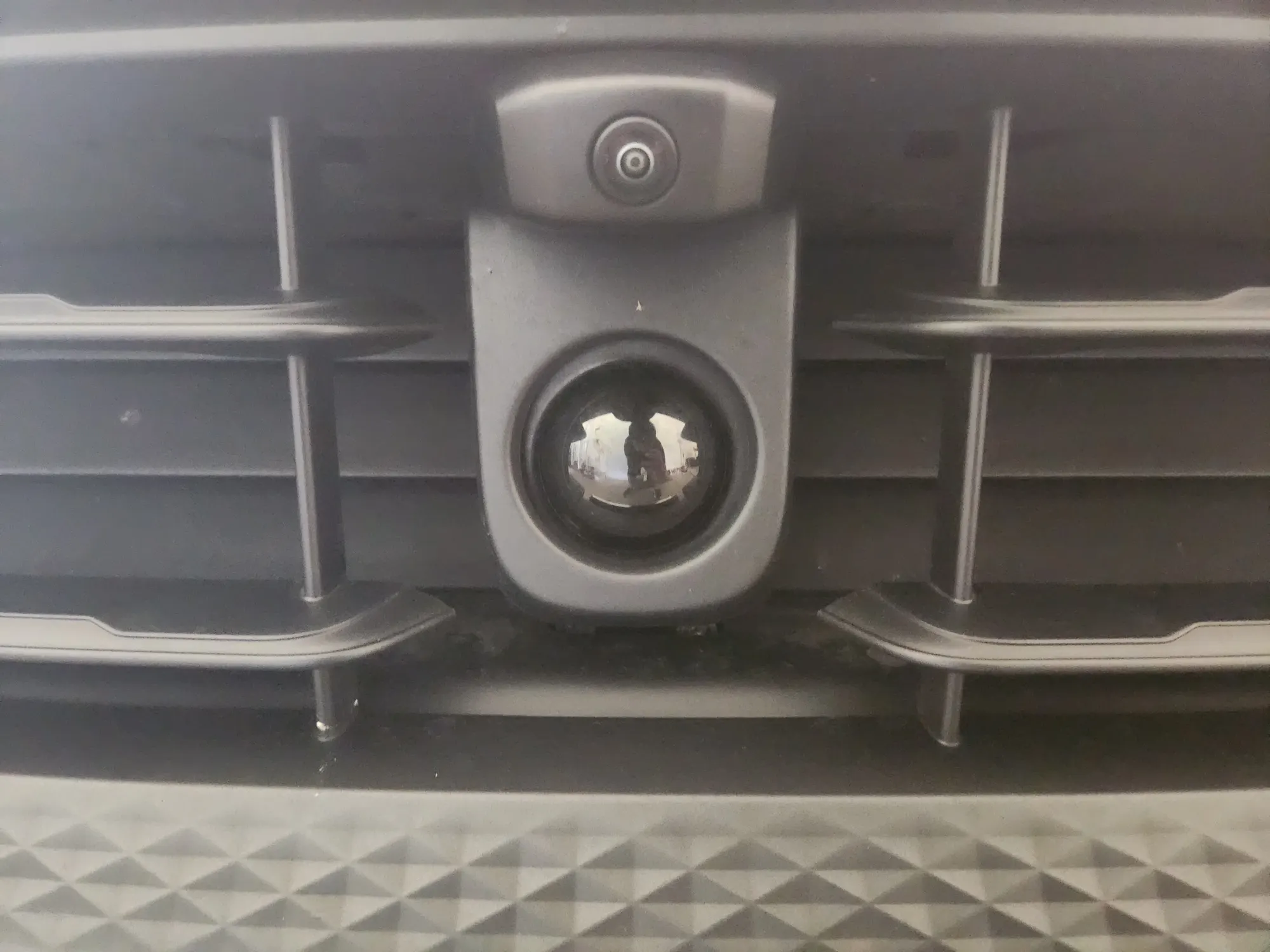
Driver assistance systems: what the camera and radar in your car do
Emergency braking, lane keeping, adaptive cruise control: modern driver assistance systems rely on a camera, radar and further sensors. Knowing how they perceive the road also explains why a new windscreen or a minor bump can affect the technology.
5 min read
Technology
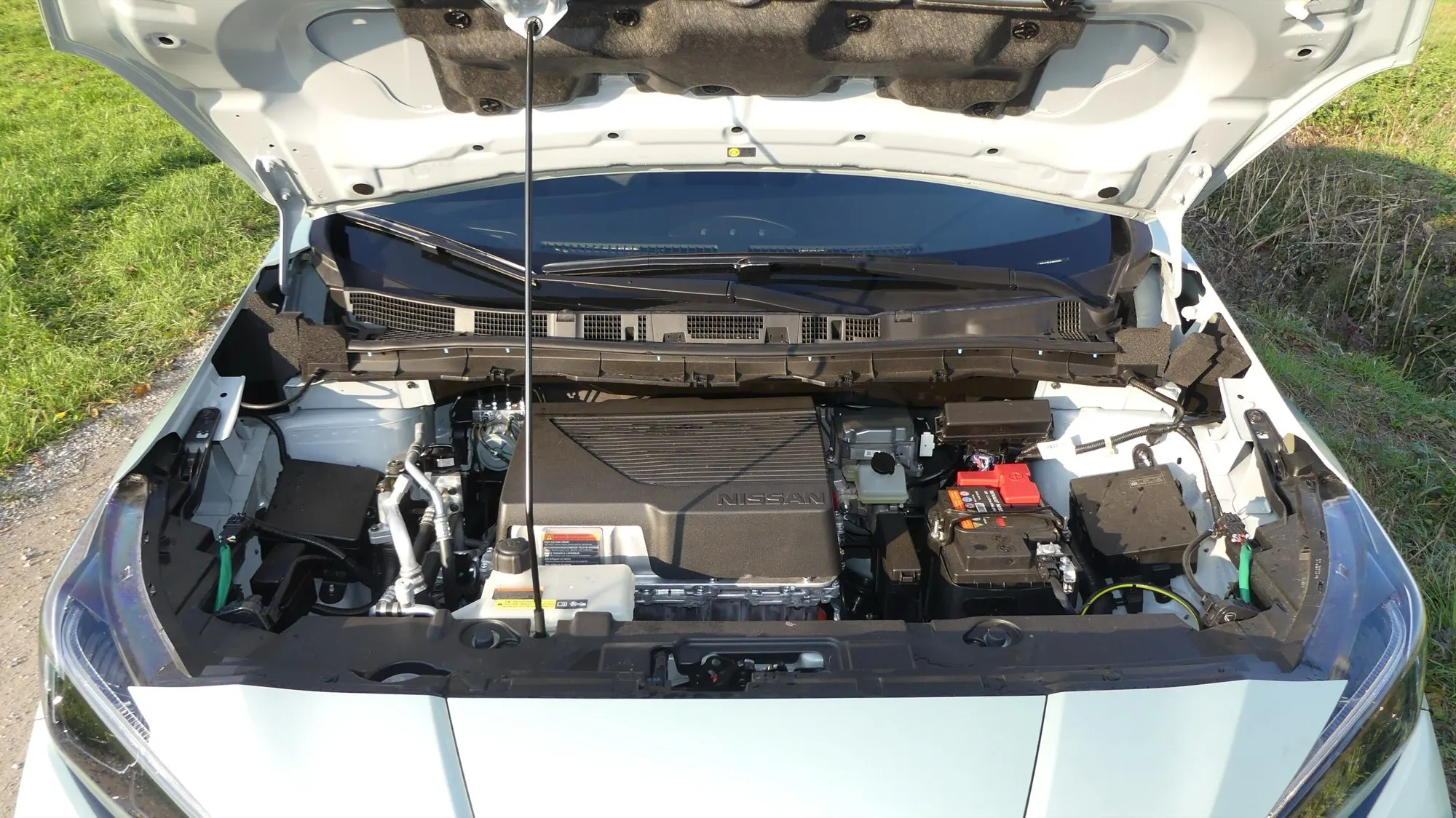
Electric car servicing and maintenance: what stays, what goes
No oil change, no spark plugs, no exhaust: an electric car needs less servicing and maintenance than a combustion car – but not none. An overview of what remains on the list.
5 min read

New models
New electric cars 2026: four important models at a glance
Which new electric cars define 2026? We present four models for which the manufacturers have published concrete data: two large SUVs with 800-volt technology and two compact electric cars for the city. All figures come from the brands' own press releases.
5 min read