Technology5 min read
Tyre pressure monitoring system (TPMS): how it works, warning light, tyre changes
The tyre pressure monitoring system – TPMS, in German RDKS – watches the air pressure in your tyres and warns you when it drops. How the two designs work, what the yellow warning light means and why the system matters when you switch to winter wheels.
Published on
What a tyre pressure monitoring system does
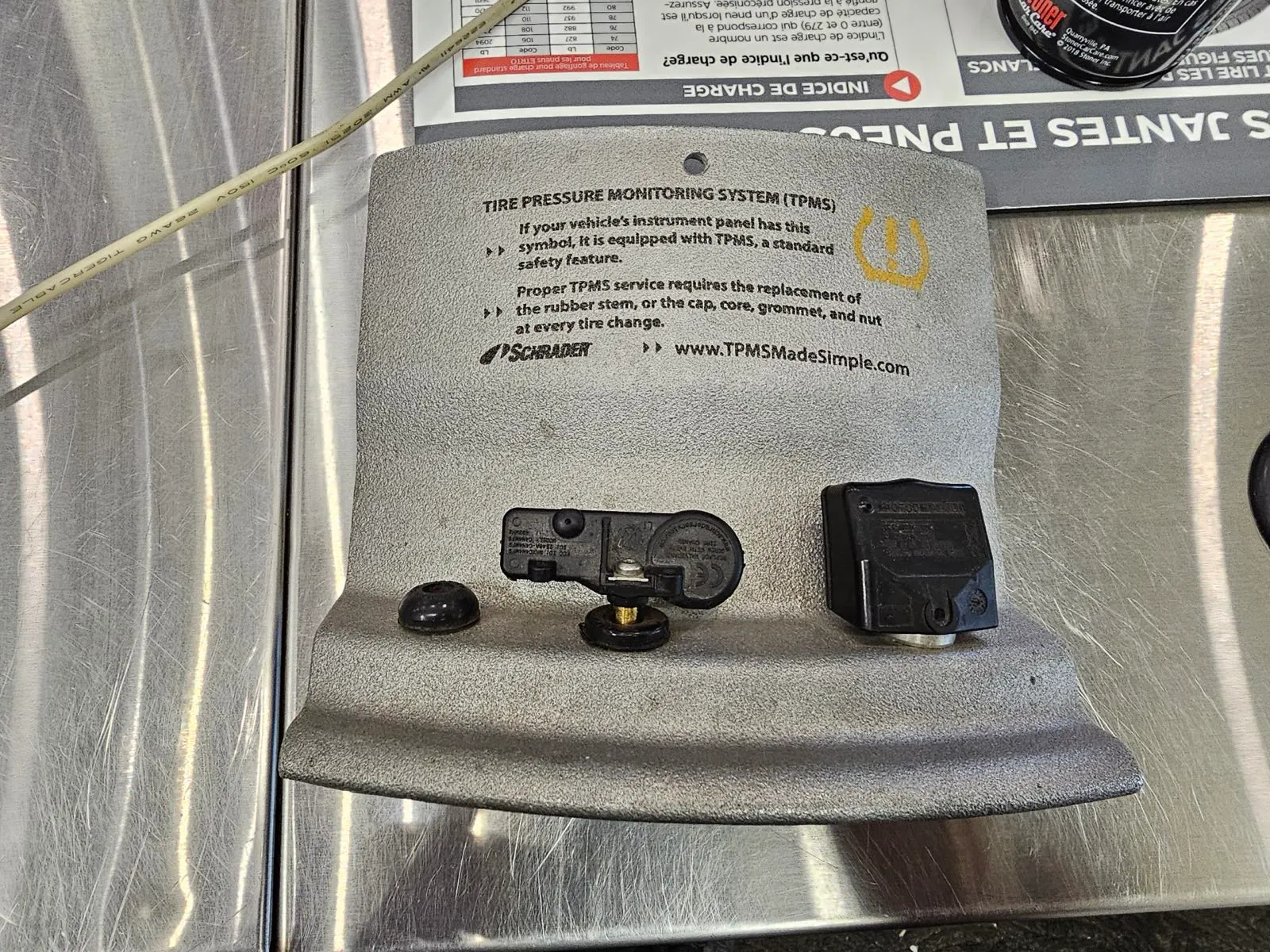
A tyre pressure monitoring system watches the air pressure in the wheels and reports automatically when it is too low. That is more than a convenience: 0.5 bar too little is barely visible from the outside, yet according to the TCS it affects braking distance, evasive manoeuvres and cornering. ABS and ESP cannot make up for missing tyre pressure.
Low pressure also costs fuel and rubber. The German motoring club ADAC puts the extra consumption at around 0.2 to 0.4 litres per 100 kilometres for 0.5 bar of under-inflation, and the tyre wears faster. A slow leak can also weaken the structure of the tyre – a risk above all on long, fast motorway journeys with a loaded car.
Direct or indirect: the two designs
Direct (active) systems have a sensor in every wheel that measures pressure and temperature and sends them by radio to a control unit. They are accurate to about 0.1 bar, detect slow leaks too and usually display the value for each individual wheel. The drawback: every set of wheels needs its own sensors, and their batteries do not last for ever.
Indirect (passive) systems need no additional parts. They use the wheel speed sensors of the ABS: when a tyre loses air, its rolling circumference shrinks and the wheel turns faster. This is simple and low-maintenance but less precise. The warning comes later, often without naming the wheel affected, and an even loss of pressure in all four tyres is detected poorly.
- If the on-board computer shows the pressure of each wheel, the car has a direct system
- If there is only a warning light, it is usually an indirect system
- The owner’s manual settles it: if it mentions tyre pressure sensors, the system measures directly
Since when has TPMS been compulsory?
In Switzerland, new passenger cars up to 3.5 tonnes have had to be fitted with a tyre pressure monitoring system as standard since 1 November 2014. According to the TCS the basis is Article 103(5) of the Ordinance on the Technical Requirements for Road Vehicles (VTS); the date of import is decisive. In the EU the requirement has likewise applied to new cars since 2014.
Which design a manufacturer uses is up to them – both meet the requirement. The practical consequence: the winter wheels of such a vehicle must be compatible with the system as well. With direct measurement this means that the summer and the winter set each need their own sensors.
The warning light is on: what should you do?
The system alerts you with a text message or with the yellow warning light showing the cross-section of a tyre with an exclamation mark. Possible causes are low pressure in one tyre, a damaged tyre – or a system that was not re-initialised after a wheel change.
A small loss of pressure is usually normal: tyres lose up to 0.1 bar a month, according to the TCS. An unusually large loss, on the other hand, points to damage. This is how to proceed:
- Stop as soon as it is safe to do so and look at the tyres
- If a tyre is visibly flat: do not drive on
- Otherwise check the pressure of all tyres at the next filling station and correct it
- Reset the system as described in the owner’s manual; the light should go out
- If the loss is large or keeps recurring, have the tyre checked at a garage
TPMS when changing tyres and fitting winter wheels
With an indirect system the effort is small: after every wheel change, after swapping wheels round and after every pressure correction the system is re-initialised at the push of a button or in the menu – first, all tyres must be set as precisely as possible to the prescribed pressure.
With a direct system the sensors are checked every time tyres are fitted. Depending on the vehicle they have to be paired with a tool after the wheel change; newer sensors do this themselves. A sensor’s battery lasts seven to ten years according to the TCS and cannot be replaced – the whole sensor is then renewed. ADAC advises mentioning that the car has tyre pressure sensors when you book the appointment.
Tyre change and tyre check in Zurich-Oerlikon
The system does not replace your own checks: the TCS recommends checking tyre pressure once a month on cold tyres. The tyre service at Semes Automobile AG, Schwamendingenstrasse 106 in Zurich-Oerlikon, includes tyre changes and tyre checks – tread depth, damage and tyre pressure.
When you request an appointment for a tyre change in Zurich, it helps to mention in the comment field whether your vehicle has tyre pressure sensors and whether the warning light is on. You can reach the garage by phone on 043 311 64 80.
Frequently asked questions
Do I still have to check tyre pressure myself?
Yes. The system only warns once the pressure deviates clearly, and indirect systems are poor at detecting an even loss in all wheels. The TCS recommends a monthly check on cold tyres, ADAC even every 14 days.
Do winter wheels need their own TPMS sensors?
With direct systems, yes: the summer and the winter set each need their own sensors. Indirect systems work with the vehicle’s ABS sensors and only need to be re-initialised after the wheel change.
How long do TPMS sensors last?
According to the TCS a sensor’s battery lasts seven to ten years or 100,000 to 150,000 kilometres. It is built in; once it is empty, the whole sensor is replaced.
Sources
The facts in this article are based on these sources (accessed on 28 November 2026). For binding information, the body concerned is authoritative. General information without warranty; it does not replace individual advice.
More articles
Advice
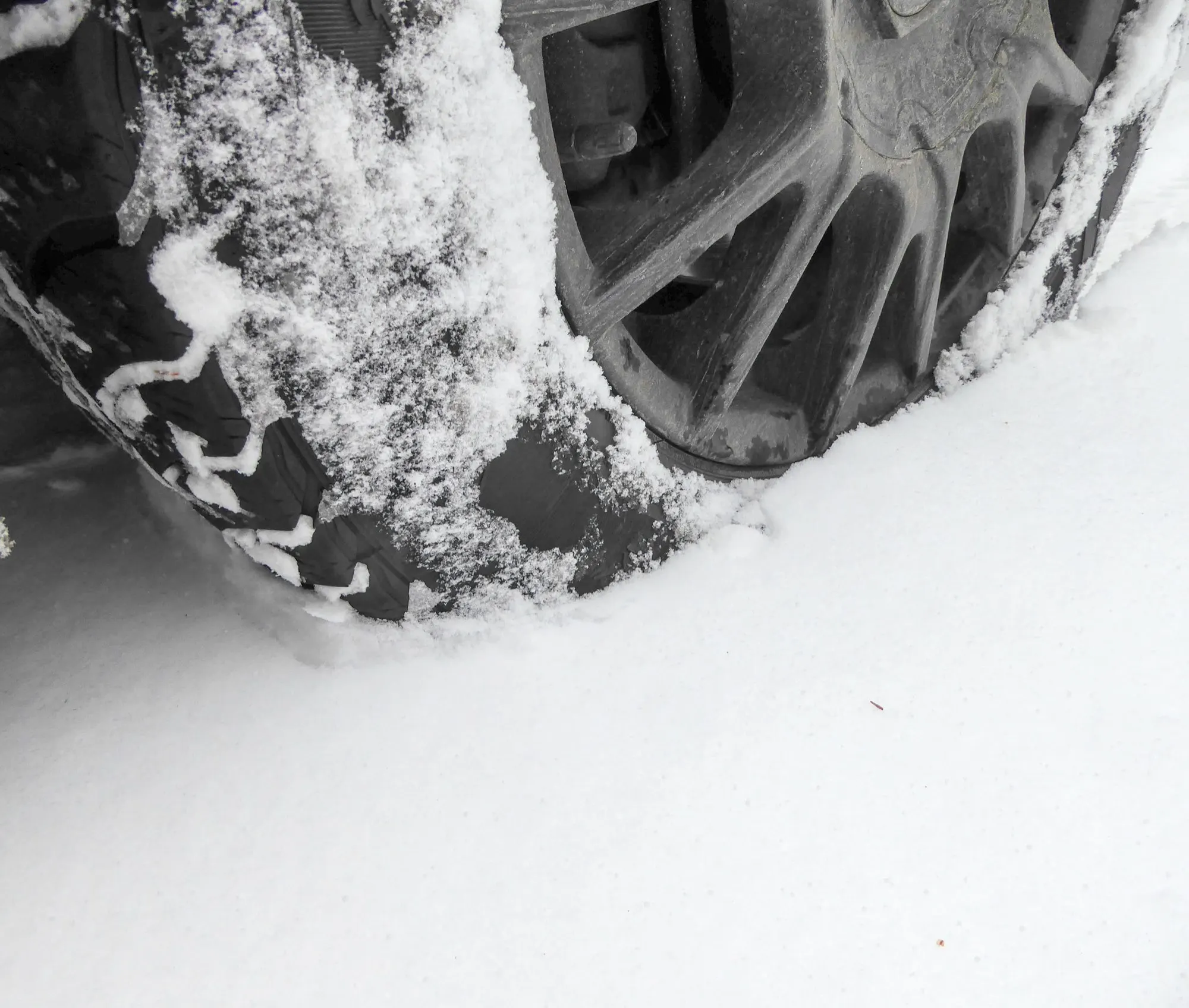
Are winter tyres mandatory in Switzerland? The rules and the risks without them
Switzerland has no legal requirement to fit winter tyres. Driving on snow with summer tyres can still have consequences. Here is what the law asks for, when to change tyres and what matters for tread and markings.
5 min read
Technology
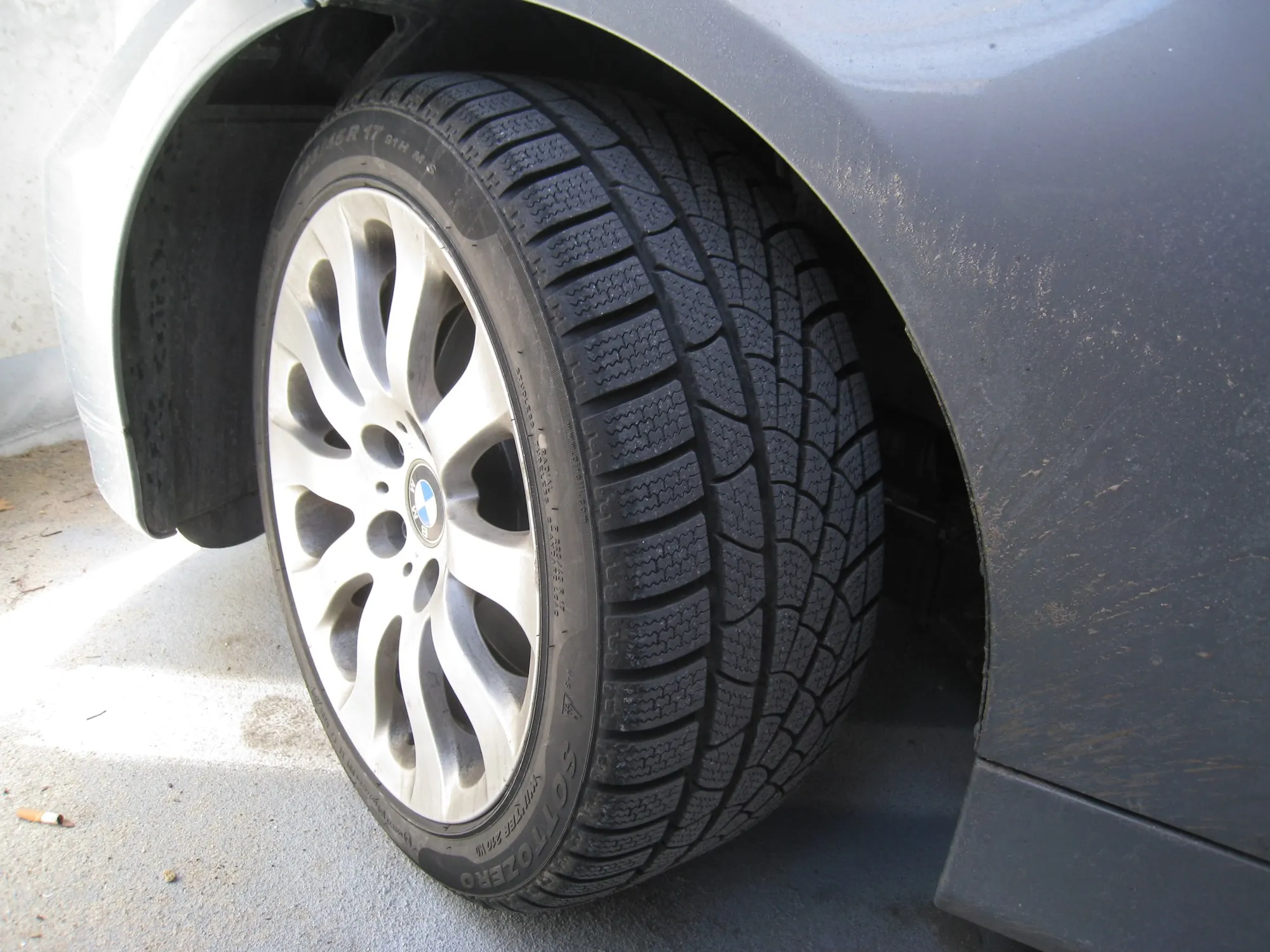
All-season tyres or winter tyres: which suits the way you drive?
All-season tyres or winter tyres – the question comes up every autumn. All-season tyres spare you the seasonal change but remain a compromise. What matters is where, how much and in what weather you drive.
4 min read
Technology
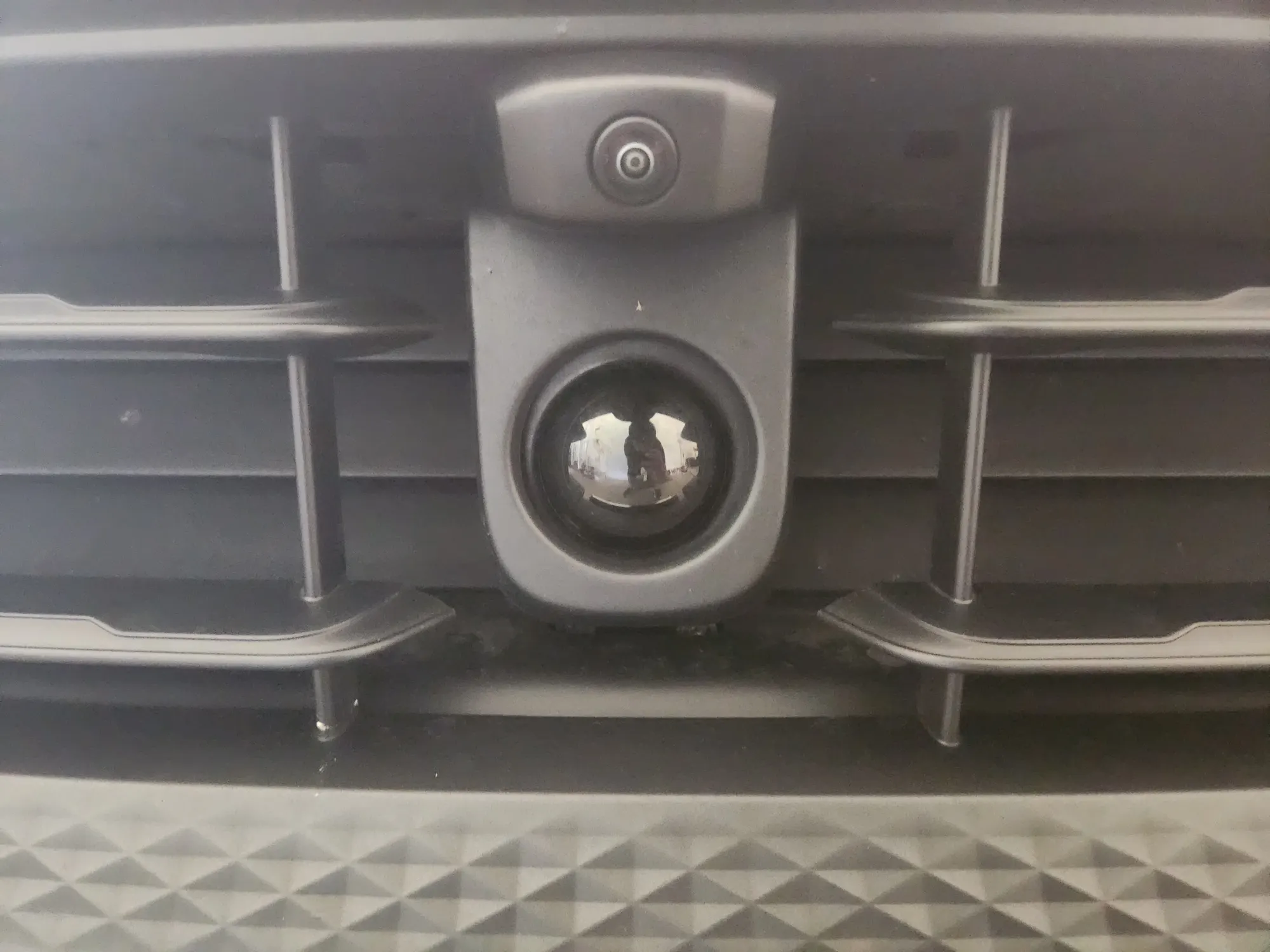
Driver assistance systems: what the camera and radar in your car do
Emergency braking, lane keeping, adaptive cruise control: modern driver assistance systems rely on a camera, radar and further sensors. Knowing how they perceive the road also explains why a new windscreen or a minor bump can affect the technology.
5 min read