Advice5 min read
MFK vehicle inspection: preparation, intervals and a checklist for Zürich
The summons to the MFK is in your letterbox. Now what? With a little preparation, the inspection at the Road Traffic Office loses its terrors. Here you can read how often it is due, what the inspectors look at and what you can check yourself beforehand.
Published on
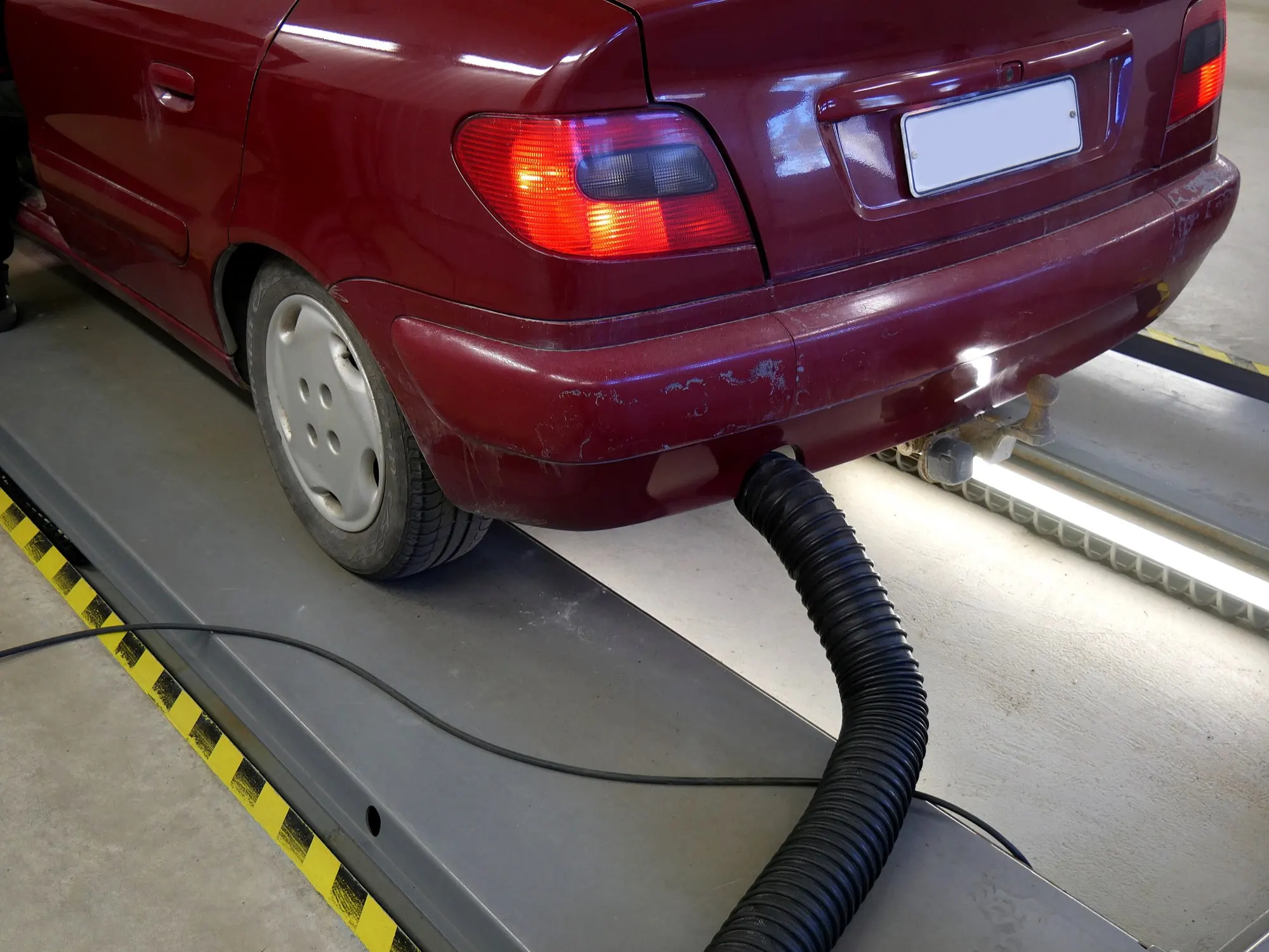
The MFK inspection: what it is about
MFK stands for Motorfahrzeugkontrolle. It is the periodic vehicle inspection in which the cantonal Road Traffic Office establishes whether a vehicle meets the legal roadworthiness requirements. The intervals are set at federal level; the cantons carry out the inspection.
Preparing well for the MFK pays off twice: you save yourself a second appointment, and you know that brakes, lights and tyres are in order. The inspection does not replace a service, however. It assesses safety at the moment of the check, not the maintenance condition of the engine or gearbox.
The intervals for passenger cars
The intervals are laid down in Article 33 of the Ordinance on the Technical Requirements for Road Vehicles (VTS). For passenger cars the rhythm can be remembered as “5 – 3 – 2”:
You do not have to work it out yourself: the Road Traffic Office summons the vehicle of its own accord. If you want to sell your car, you can book a voluntary inspection at any time. After certain technical changes, such as tuning parts, a separate inspection is required.
- First inspection: five years, but no later than six years after first registration.
- Second inspection: three years after that.
- Thereafter: every two years.
Summons and appointment in the canton of Zürich
In the canton of Zürich you receive the appointment by letter in good time. If it does not suit you, it can be moved online. Inspections take place at the Road Traffic Office’s test centres; the Zürich section of the TCS also carries out the periodic inspection. Be at the entrance check at least five minutes before your appointment and follow the signs.
After the check, the inspector tells you whether the vehicle has passed and whether there are any defects. You should bring:
- The vehicle registration document and any other papers for the vehicle, for example on registered modifications.
- The emissions maintenance document, required for vehicles first registered between 1 January 1976 and about 2006 that have no recognised OBD system.
- The summons with the appointment.
Checklist: what you can check yourself beforehand
The TCS lists the inspection areas as vehicle identification, brakes, steering, visibility, lighting and electronics, as well as chassis, axles, wheels, tyres and suspension, including rust. Much of this can be looked at in a quarter of an hour at home:
- Lighting: dipped and main beam, indicators, brake and tail lights, rear fog light and number plate light all work.
- Tyres: enough tread, no cracks or bulges, even wear all round.
- Glass and wipers: no cracks in the field of vision, wiper blades wipe cleanly, washer fluid topped up.
- Warning lamps: after starting, no indicator lamp stays on permanently in the instrument cluster.
- Brakes: the pedal feels firm, the handbrake holds, nothing grinds or squeals.
- Underbody and engine bay: no oil leaks, exhaust tight and secure.
- Number plates: clearly legible and firmly mounted; the details in the registration document match the car.
- Modifications: wheels without type approval, a tow bar or other conversions must be registered or documented.
Arrive clean and at operating temperature
The Zürich Road Traffic Office requires the vehicle to comply with the regulations, to be roadworthy and clean, and to be presented at operating temperature. Heavy soiling or an insufficiently secured load can mean that the inspection is not carried out. The TCS therefore recommends bringing the car freshly washed.
Tidy the boot as well and drive for a while before the appointment so that the engine is warm. If you are unsure, have the vehicle looked at by a garage beforehand; the Road Traffic Office itself points out this option.
If defects are found
Defects are not a disaster, but they come with a deadline. According to the TCS they must be rectified within 30 days; depending on the canton, a confirmation of the repair is then sufficient or the vehicle has to be shown again. The Road Traffic Office explains on its website how to rectify defects correctly in the canton of Zürich.
Keep the inspection report. It helps the garage to repair in a targeted way and is a useful record later when you sell the car.
MFK preparation in Zürich-Oerlikon
Semes Automobile AG in Zürich-Oerlikon offers MFK preparation for vehicles of all makes: we look at your car before the appointment, discuss any necessary work with you and present it for you once repair or service work has been carried out. Choose MFK preparation in the appointment form and bring the summons from the Road Traffic Office.
Frequently asked questions
How often does a passenger car have to go to the MFK?
For the first time five, at the latest six years after first registration, then after three years and every two years thereafter. This is laid down in Article 33 of the VTS.
Can I move the MFK appointment?
Yes. In the canton of Zürich, the appointment for the periodic vehicle inspection can be moved online with the Road Traffic Office.
Does the car have to be washed for the MFK?
Yes, it must be presented clean. If it is heavily soiled, the Zürich Road Traffic Office may break off the inspection. The TCS advises bringing the car freshly washed.
Sources
- Fahrzeugprüfung – Kanton Zürich, Strassenverkehrsamt
- Verordnung über die technischen Anforderungen an Strassenfahrzeuge (VTS), Art. 33 – Fedlex, Bundesrecht
- TCS MFK-Vortest: wir prüfen Ihr Auto bevor Sie es zur MFK vorführen – TCS
- Motorfahrzeugkontrolle Schweiz MFK – TCS
The facts in this article are based on these sources (accessed on 28 November 2026). For binding information, the body concerned is authoritative. General information without warranty; it does not replace individual advice.
More articles

Advice
Buying a used car in Switzerland: a checklist for papers, viewing and contract
If you want to buy a used car, an “Occasion” in Swiss usage, a checklist serves you best: first the papers, then the car, then the contract. That way you spot the main pitfalls before signing, whether at a dealer or with a private seller.
6 min read
Advice
Are winter tyres mandatory in Switzerland? The rules and the risks without them
Switzerland has no legal requirement to fit winter tyres. Driving on snow with summer tyres can still have consequences. Here is what the law asks for, when to change tyres and what matters for tread and markings.
5 min read
Advice
Car air conditioning: when a service is due
If your car’s air conditioning cools less than it used to, or a musty smell comes from the vents, a service is due. Here is what gets checked, how often it makes sense and why refrigerant belongs in professional hands.
5 min read