Advice5 min read
Are winter tyres mandatory in Switzerland? The rules and the risks without them
Switzerland has no legal requirement to fit winter tyres. Driving on snow with summer tyres can still have consequences. Here is what the law asks for, when to change tyres and what matters for tread and markings.
Published on
Are winter tyres mandatory in Switzerland?
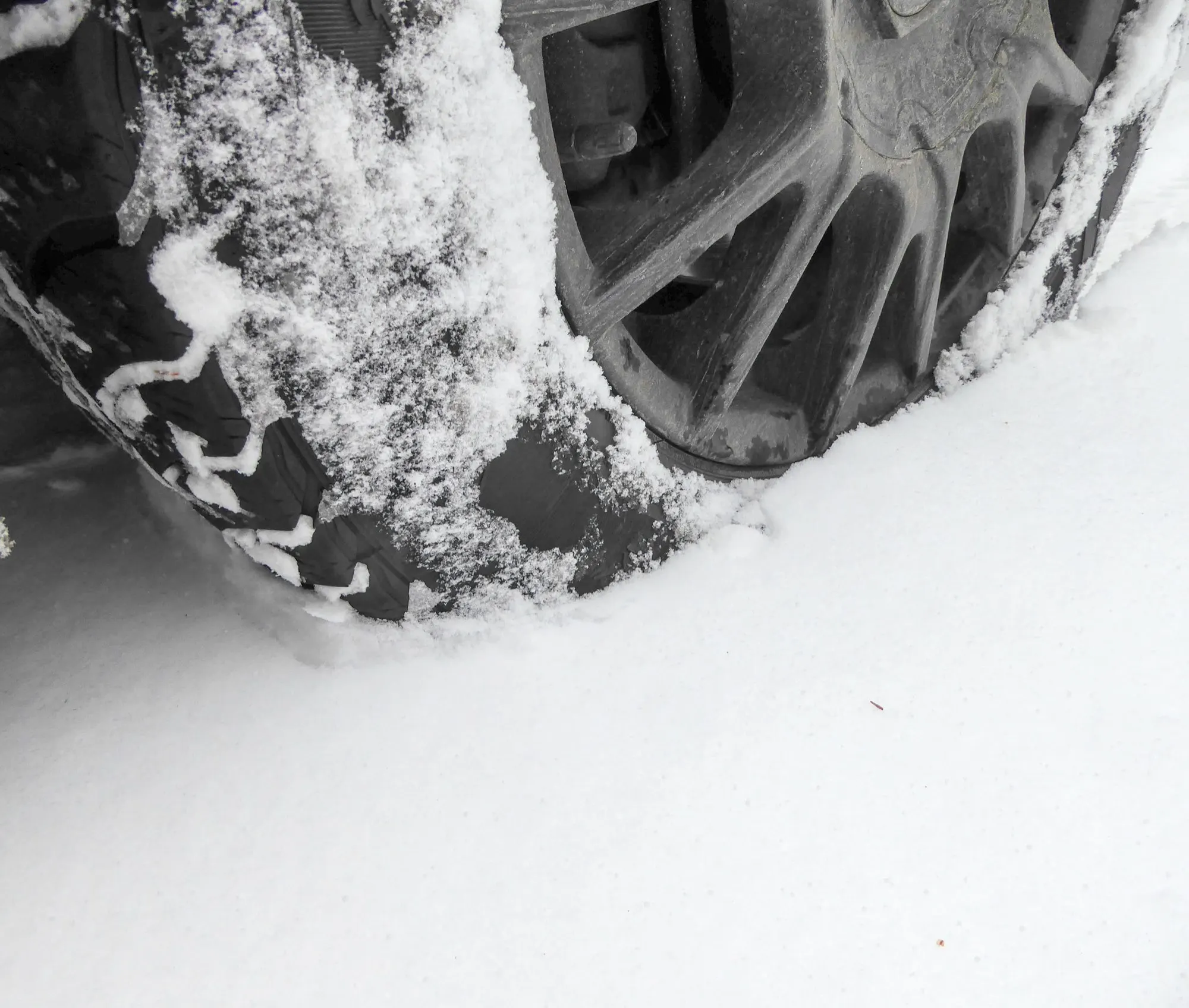
The short answer is no. The Federal Roads Office (FEDRO, in German ASTRA) states that there is no legal duty to fit a car with winter tyres in the cold season. There is no fixed date either. According to FEDRO the reason is the climate: conditions in Switzerland differ so much over short distances that a single date would suit one region and come too late for another.
That does not mean there are no rules. A vehicle may only be driven in a roadworthy condition that complies with the regulations, and the driver must be in control of it at all times. On snow or ice, summer tyres make it impossible to meet these requirements when things get critical. That is why FEDRO, the Swiss Council for Accident Prevention (BFU) and the Touring Club Switzerland (TCS) all recommend winter tyres for the cold months.
Summer tyres in winter: fine, licence withdrawal, insurance
As there is no obligation, nobody is fined merely for having summer tyres on the car in January. It becomes serious when something happens: if unsuitable tyres lead to an accident or to a considerable obstruction of traffic – a car stuck on a hill, for example – FEDRO says the driver faces a fine and, depending on the case, withdrawal of the driving licence.
Then there is the insurance. If the inadequate equipment contributed to the accident, the insurer may reduce its benefits or take recourse against the driver. The BFU also points out that the braking distance on snow can be up to four times longer than on a dry road. Winter tyres do not replace an adapted driving style; they complement it.
When should you switch to winter tyres?
The rule of thumb is “from O to O” – from October to Easter (Oktober bis Ostern in German). The BFU also mentions the “7+7” rule: once the temperature stays below seven degrees for seven days, it is time to change. The TCS advises fitting winter tyres before the first snow and moving the date forwards or backwards depending on the region.
For Zurich this means: if you only drive in the city and the lowlands you will see fewer snowy days than someone who regularly heads for the Oberland, the foothills of the Alps or a ski resort – but you can be caught out here as well. Because many drivers want to change at the same time, it pays to plan the tyre change early in autumn rather than on the morning of the first snowfall.
Tread depth, tyre age and the snowflake symbol
The law requires at least 1.6 mm of tread for summer and winter tyres alike. The expert bodies consider this too little for winter: FEDRO, the BFU and the TCS recommend at least 4 mm for winter tyres, because below that the tyre loses its winter properties. Tread is measured in the centre of the tyre, not at the shoulder.
Since the transition period ended on 1 October 2024, only tyres with the snowflake symbol – three mountain peaks with a snowflake, 3PMSF for short – count as winter tyres, according to the TCS. The “M+S” marking on its own is no longer enough; such tyres are treated like summer tyres. Anyone driving abroad should check for the symbol in any case.
- Legal minimum tread: 1.6 mm, for summer and winter tyres
- Recommended for winter tyres: at least 4 mm; for summer tyres: 3 mm
- Tyre age: the TCS advises against using tyres older than eight years, even if the tread is still sufficient
- Marking: snowflake symbol (3PMSF) on the sidewall
- Always fit four winter tyres – two on the front axle are not enough
Snow chains, studded tyres and clear windows
Snow chains, by contrast, can be compulsory: where the corresponding sign is displayed, at least two driven wheels must be fitted with chains before you enter that stretch of road, the TCS explains. Studded tyres are only permitted in the winter months until the end of April; they require an “80 km/h” sticker on the vehicle and are banned on motorways and expressways, with the exception of the Gotthard and San Bernardino tunnels.
Clear visibility is part of winter equipment too. By law, lights, reflectors, windows and mirrors must be clean; the BFU recommends clearing the whole car of snow and ice before every journey. Setting off with snow-covered windows can likewise lead to a fine or the loss of your licence.
Tyre change in Zurich-Oerlikon
The tyre service at Semes Automobile AG, Schwamendingenstrasse 106 in Zurich-Oerlikon, covers tyre changes, tyre sales, storage and tyre checks – tread depth, damage and pressure – for all makes and models.
You can request an appointment for a tyre change in Zurich online or by phone on 043 311 64 80. The garage is open Monday to Friday from 07.00 to 12.00 and from 13.00 to 19.00, and on Saturday from 08.00 to 16.00.
Frequently asked questions
Is it illegal to drive on summer tyres in winter?
No, Switzerland has no such ban. The vehicle must, however, be roadworthy and under control at all times. After an accident or a traffic obstruction on summer tyres in wintry conditions you face a fine, licence withdrawal and reduced benefits or recourse from your insurer.
How much tread do winter tyres need?
Legally, 1.6 mm is enough. FEDRO, the BFU and the TCS nevertheless recommend at least 4 mm for winter tyres; below that the tyre loses its winter properties, according to the BFU.
Do M+S tyres still count as winter tyres?
Not any more. Since 1 October 2024 only tyres with the snowflake symbol (3PMSF) count as winter tyres, according to the TCS. Tyres marked only “M+S” are treated like summer tyres.
Do different rules apply abroad?
Yes, the regulations differ from country to country. The TCS advises checking them before you travel and looking for the snowflake symbol in any case: without it, a tyre is not suitable where winter tyres are compulsory.
Sources
- Winterpneus: Von Oktober bis Ostern – ASTRA (Bundesamt für Strassen), Blog «Unterwegs»
- Autofahren im Winter – defensiv und mit Winterreifen – BFU, Beratungsstelle für Unfallverhütung
- FAQ Reifen – TCS
- Übergangsfrist für Winterreifen mit «M+S»-Kennzeichnung in der Schweiz abgelaufen! – TCS
- Länderinfos Schweiz – TCS
The facts in this article are based on these sources (accessed on 28 November 2026). For binding information, the body concerned is authoritative. General information without warranty; it does not replace individual advice.
More articles
Technology
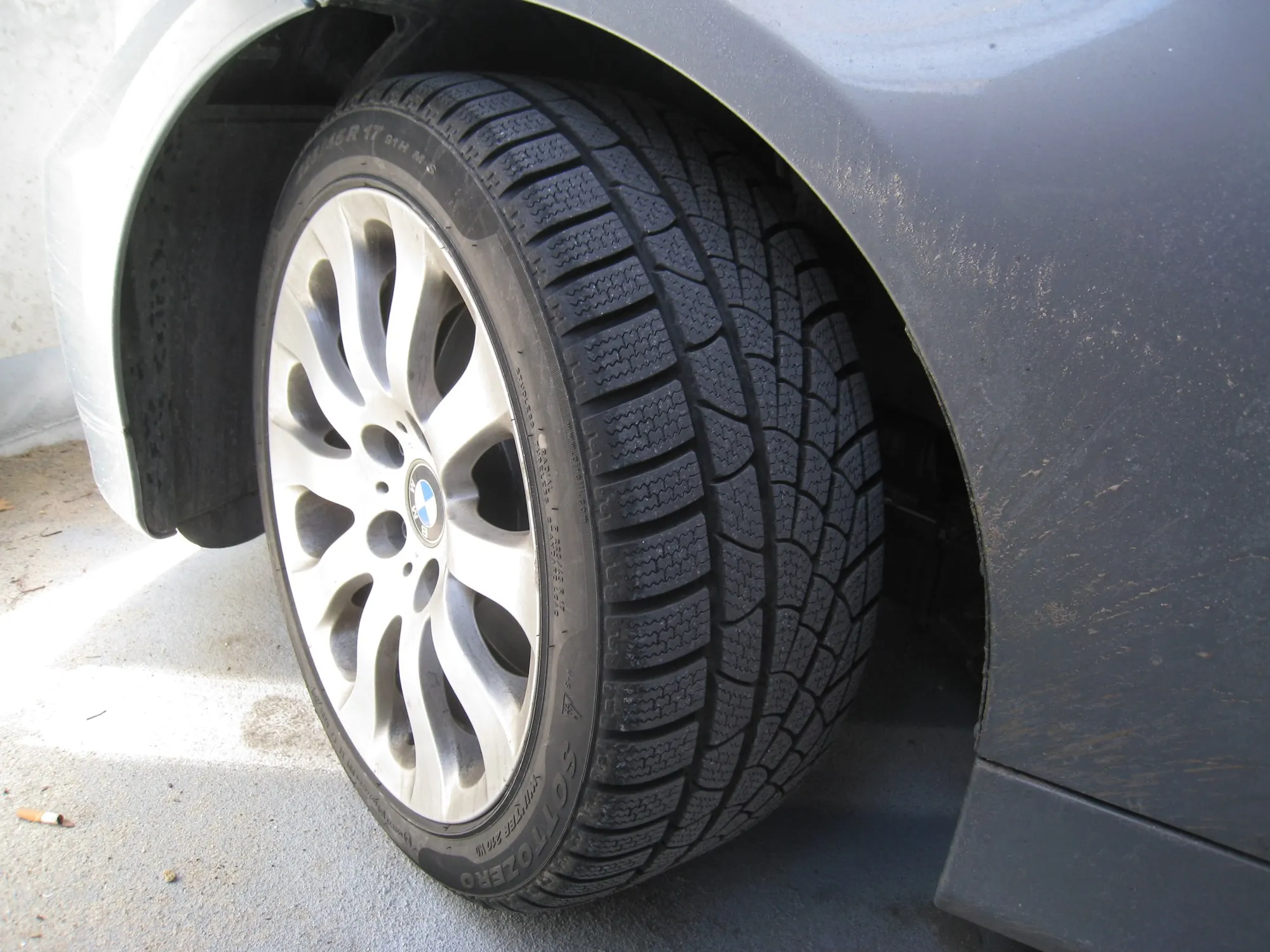
All-season tyres or winter tyres: which suits the way you drive?
All-season tyres or winter tyres – the question comes up every autumn. All-season tyres spare you the seasonal change but remain a compromise. What matters is where, how much and in what weather you drive.
4 min read
Technology
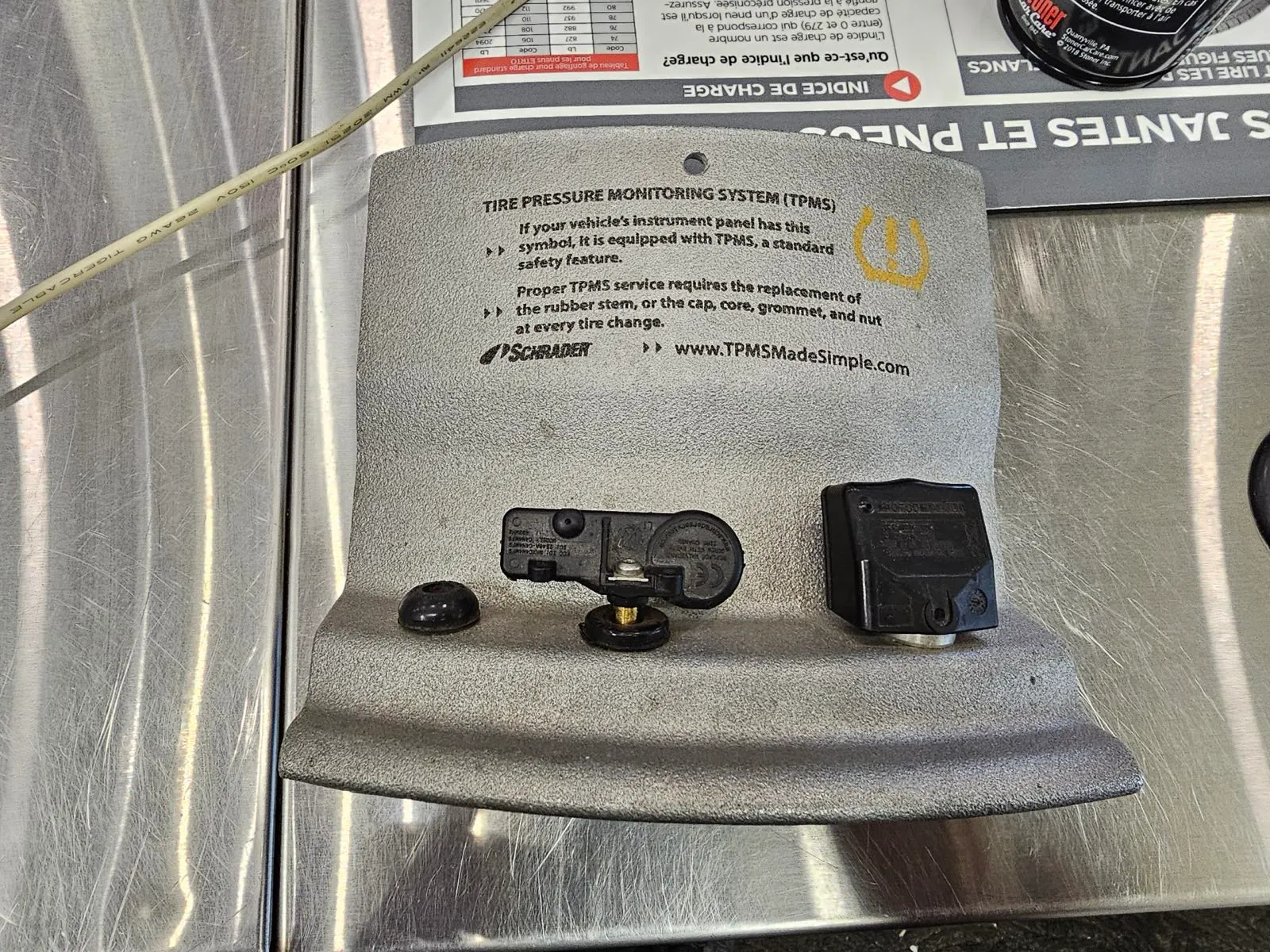
Tyre pressure monitoring system (TPMS): how it works, warning light, tyre changes
The tyre pressure monitoring system – TPMS, in German RDKS – watches the air pressure in your tyres and warns you when it drops. How the two designs work, what the yellow warning light means and why the system matters when you switch to winter wheels.
5 min read
Advice
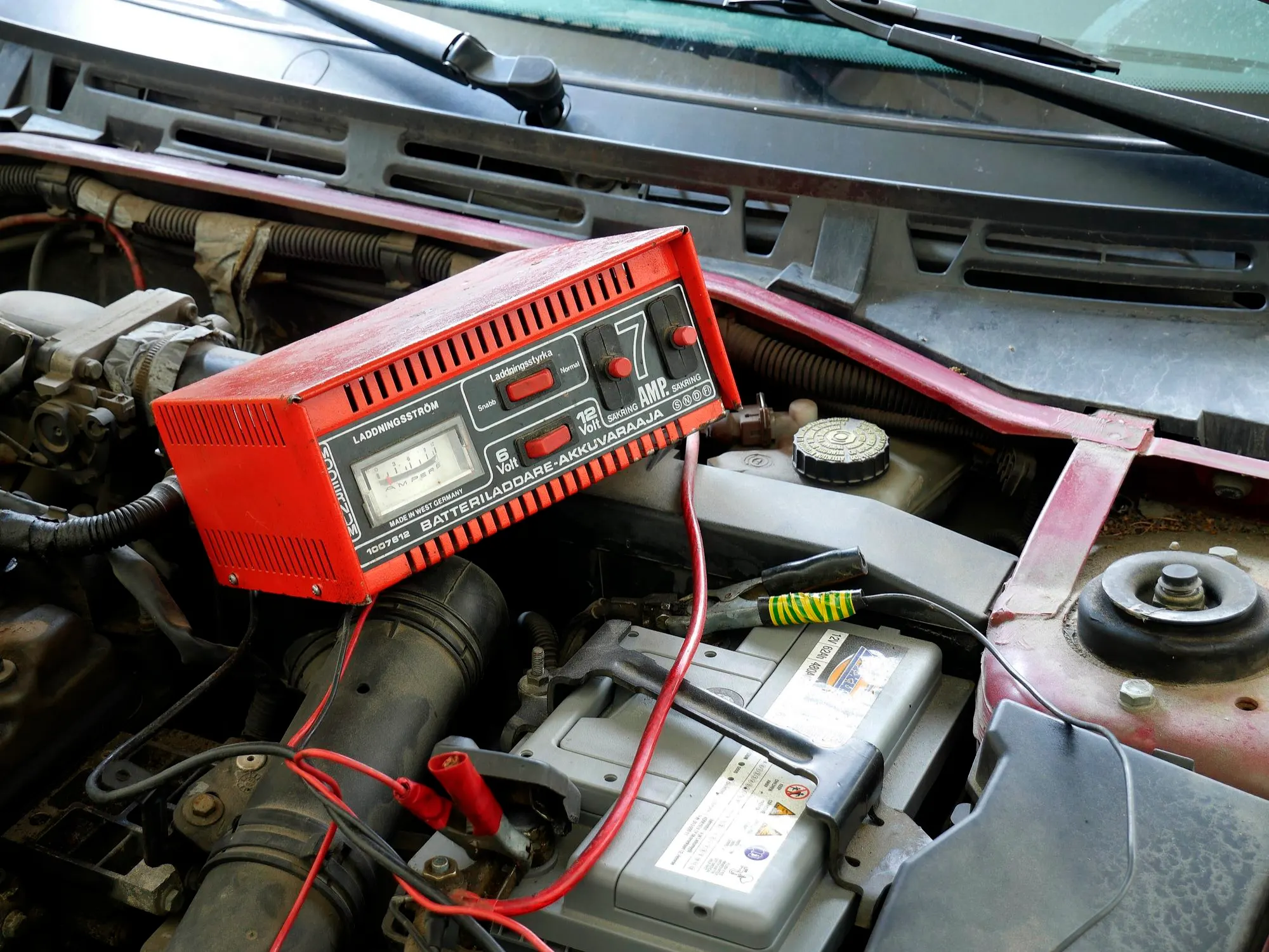
Car battery in winter: why it fails and how to prevent it
In winter the car battery is the most common cause of breakdowns – in combustion cars and electric cars alike. If you know the warning signs and have the battery checked in good time, you avoid the morning when nothing works.
5 min read