Advice5 min read
Car air conditioning: when a service is due
If your car’s air conditioning cools less than it used to, or a musty smell comes from the vents, a service is due. Here is what gets checked, how often it makes sense and why refrigerant belongs in professional hands.
Published on
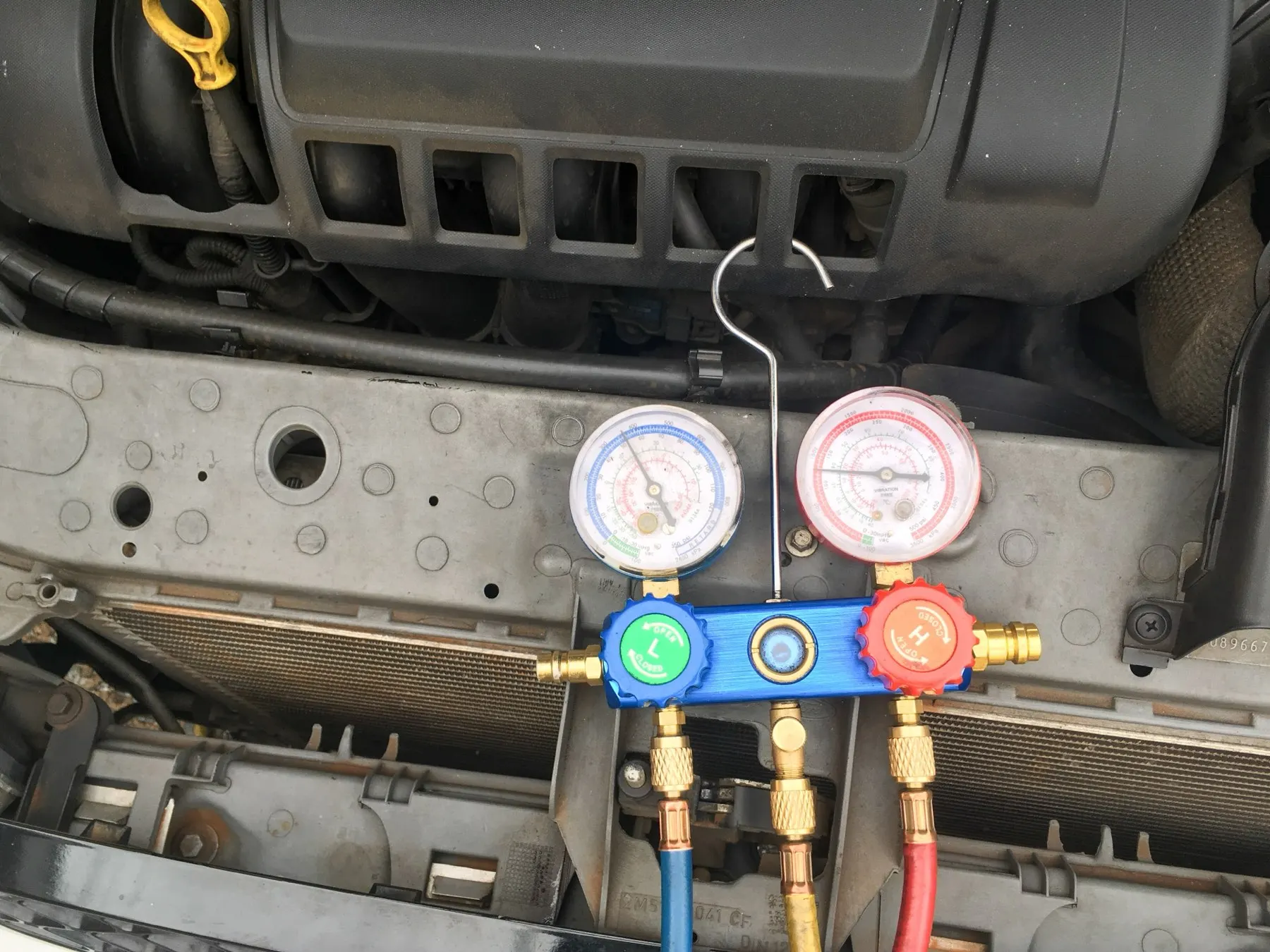
Why car air conditioning needs a service
A car’s air conditioning is a closed circuit under pressure. Even so, refrigerant is lost over the years: in operation, during servicing and through leaks caused by age, stone chips or an accident. With less refrigerant, cooling performance drops.
A service is therefore about more than comfort. The system removes moisture from the air and helps misted windows clear quickly, which the TCS explicitly links to safety. Having the system checked regularly also reduces wear and extends its service life.
Signs that something is wrong
Germany’s Federal Environment Agency (Umweltbundesamt) advises having the system checked promptly if it no longer cools properly, smells unpleasant or behaves unusually. Typical everyday signs:
- The air from the vents does not get properly cold even after a few minutes.
- A musty smell comes from the ventilation as soon as the system runs.
- The windows mist up in damp weather and clear only slowly.
- Unusual noises can be heard when the system is switched on.
What an air conditioning service involves
Each garage defines the exact scope itself. For its own air conditioning service, the TCS describes the following steps, which most workshops follow in a similar way:
- Check function, pressure, cooling performance and refrigerant level.
- If necessary, extract the old refrigerant, evacuate the system and refill it.
- Test for leaks: these should be found and repaired before refilling.
- Inspect the compressor, lines and connections.
- Replace the cabin filter and, if needed, disinfect the system, as the Umweltbundesamt recommends.
R134a and R1234yf: the refrigerants
Older cars run on the refrigerant R134a. Its global warming potential is 1430: one kilogram affects the climate like 1430 kilograms of CO₂. EU Directive 2006/40/EC therefore only allows refrigerants with a value below 150 in new passenger cars. Switzerland has followed this line: according to the Federal Office for the Environment (FOEN), refrigerants that are stable in air have no longer been state of the art for the air conditioning of new passenger cars since 2017 and may not be placed on the market once the transition periods have expired.
R1234yf has taken their place. The Federal Office of Public Health (FOPH) puts its global warming potential at 4 and the charge at roughly 0.4 to 1 kilogram per car. The gas is flammable but not considered harmful to health; because it circulates in a closed system, occupants do not come into contact with it. As a natural alternative, the Umweltbundesamt names CO₂ (R744), which is neither flammable nor toxic.
What matters for owners: the two refrigerants are not interchangeable. The Umweltbundesamt advises against changing the refrigerant of an existing system unless the manufacturer explicitly provides for it. And handling it is not a DIY job: in Switzerland, anyone working professionally on passenger car air conditioning needs a permit for handling refrigerants under the Chemical Risk Reduction Ordinance, or must work under the guidance of a permit holder.
How often should it be serviced?
There is no legal obligation. The TCS recommends having the air conditioning serviced every two to three years or as specified by the vehicle manufacturer; the Umweltbundesamt mentions about two years. Your car’s service booklet is decisive.
According to the Umweltbundesamt, the cabin filter should be replaced at least every two years, and yearly for allergy sufferers or when pollen levels are high. A good time for the air conditioning service is spring, before the first hot days, or the annual service that is due anyway.
Using it properly keeps the system fit
A few habits protect the technology and save energy. After the engine, the air conditioning is the biggest consumer in the car; the Umweltbundesamt reckons with 10 to 15 per cent extra consumption on average.
- In summer, park in the shade and air the car briefly before setting off.
- Cool the cabin to no more than about six degrees below the outside temperature; 21 to 23 degrees is considered comfortable.
- Shortly before arriving, switch off the cooling and leave the fan running: the system dries and less mould forms.
- Switch the system on occasionally in winter too: it dehumidifies the air and keeps the system lubricated.
- Do not point the cold air stream directly at your body.
Having the air conditioning checked in Zürich
Semes Automobile AG in Zürich-Oerlikon looks after air conditioning service and repair in its workshop, for vehicles of all makes. Choose the air conditioning option in the appointment form and briefly describe what you have noticed, or call 043 311 64 80.
Frequently asked questions
How often should a car’s air conditioning be serviced?
The TCS recommends every two to three years or as the manufacturer specifies; Germany’s Umweltbundesamt about every two years. If the system cools less or smells, a check is worthwhile sooner.
Can I top up the refrigerant myself?
This is not advisable. The system has to be leak-tested before refilling, and in Switzerland the professional handling of refrigerants requires a permit. The job belongs in a garage with the right service unit.
Which refrigerant does my car use?
Older vehicles mostly use R134a, newer ones R1234yf. The refrigerant and charge are generally shown on a sticker in the engine bay and in the manufacturer’s documentation.
Sources
- TCS Klima-Service: Für frische Luft, klare Sicht und mehr Fahrkomfort – TCS Sektion Biel/Bienne-Seeland
- Klimaanlage im Auto richtig bedienen und Energie sparen – Umweltbundesamt (Deutschland)
- Kältemittel HFO-1234yf – Bundesamt für Gesundheit BAG
- Fachbewilligung für den Umgang mit Kältemitteln – Bundesamt für Umwelt BAFU
- Stand der Technik: Mobile Klimaanlagen, die in Motorfahrzeugen, Schienenfahrzeugen oder Schiffen verwendet werden – Bundesamt für Umwelt BAFU
The facts in this article are based on these sources (accessed on 28 November 2026). For binding information, the body concerned is authoritative. General information without warranty; it does not replace individual advice.
More articles
Advice
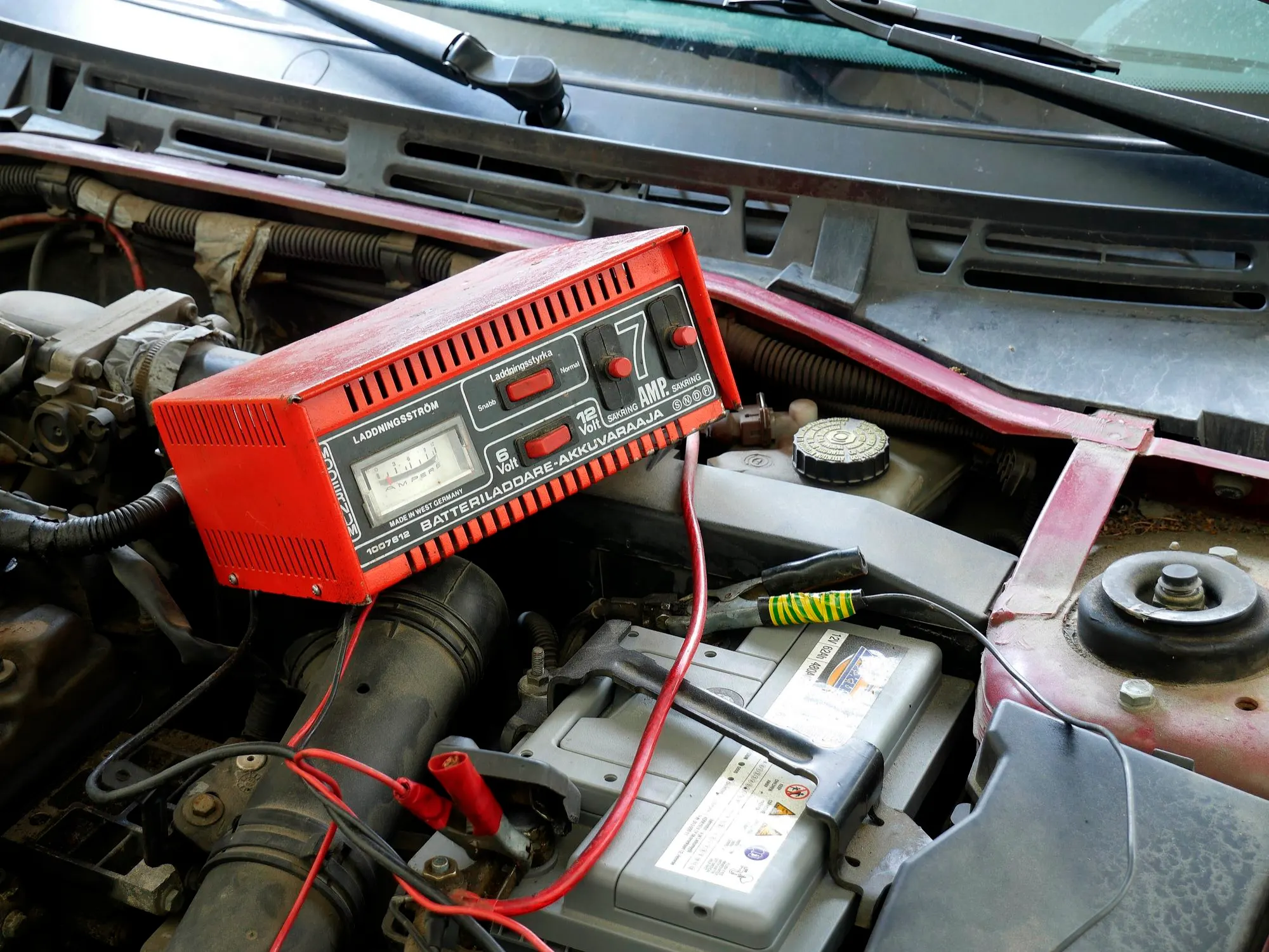
Car battery in winter: why it fails and how to prevent it
In winter the car battery is the most common cause of breakdowns – in combustion cars and electric cars alike. If you know the warning signs and have the battery checked in good time, you avoid the morning when nothing works.
5 min read
Technology
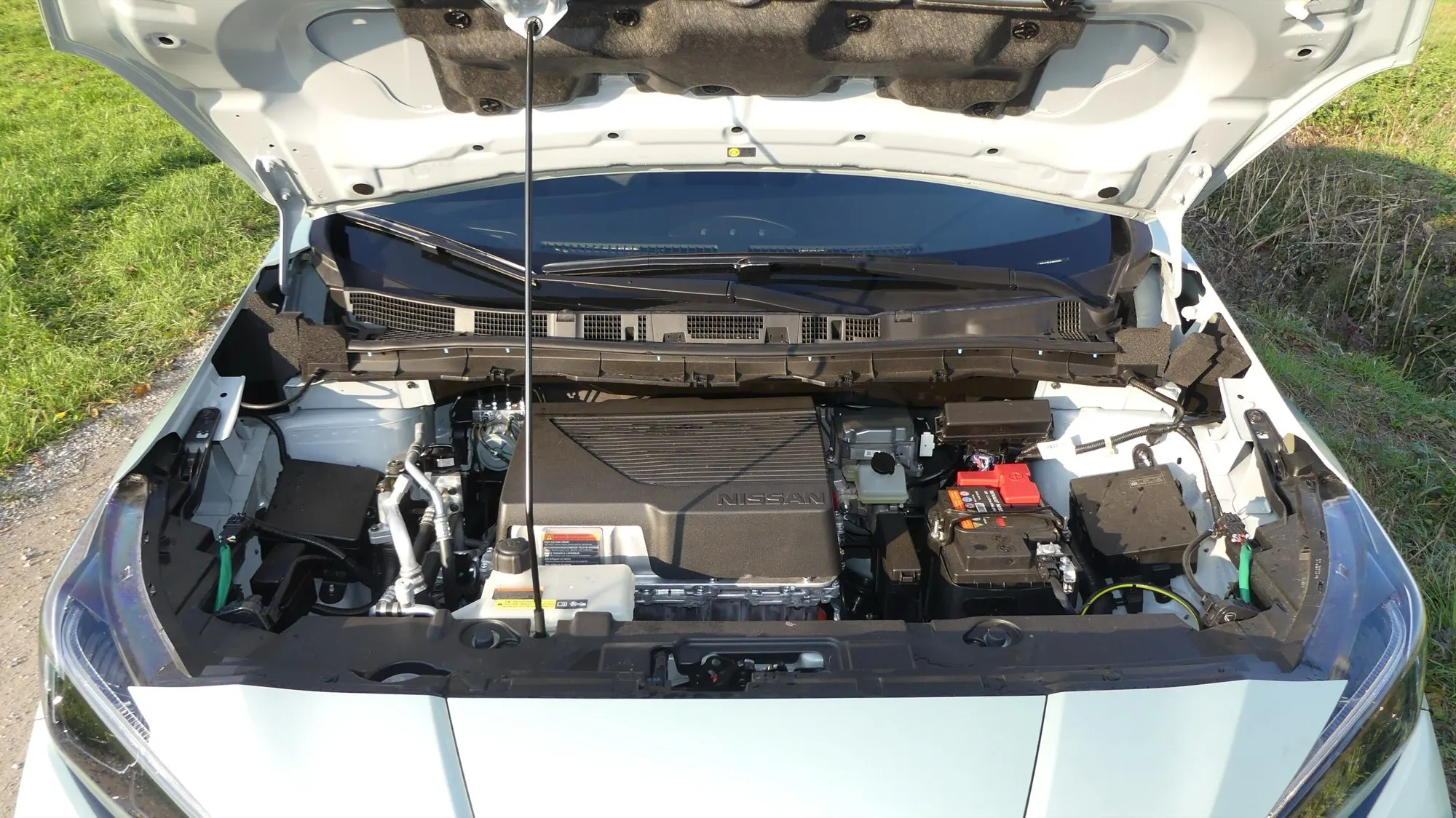
Electric car servicing and maintenance: what stays, what goes
No oil change, no spark plugs, no exhaust: an electric car needs less servicing and maintenance than a combustion car – but not none. An overview of what remains on the list.
5 min read
Advice
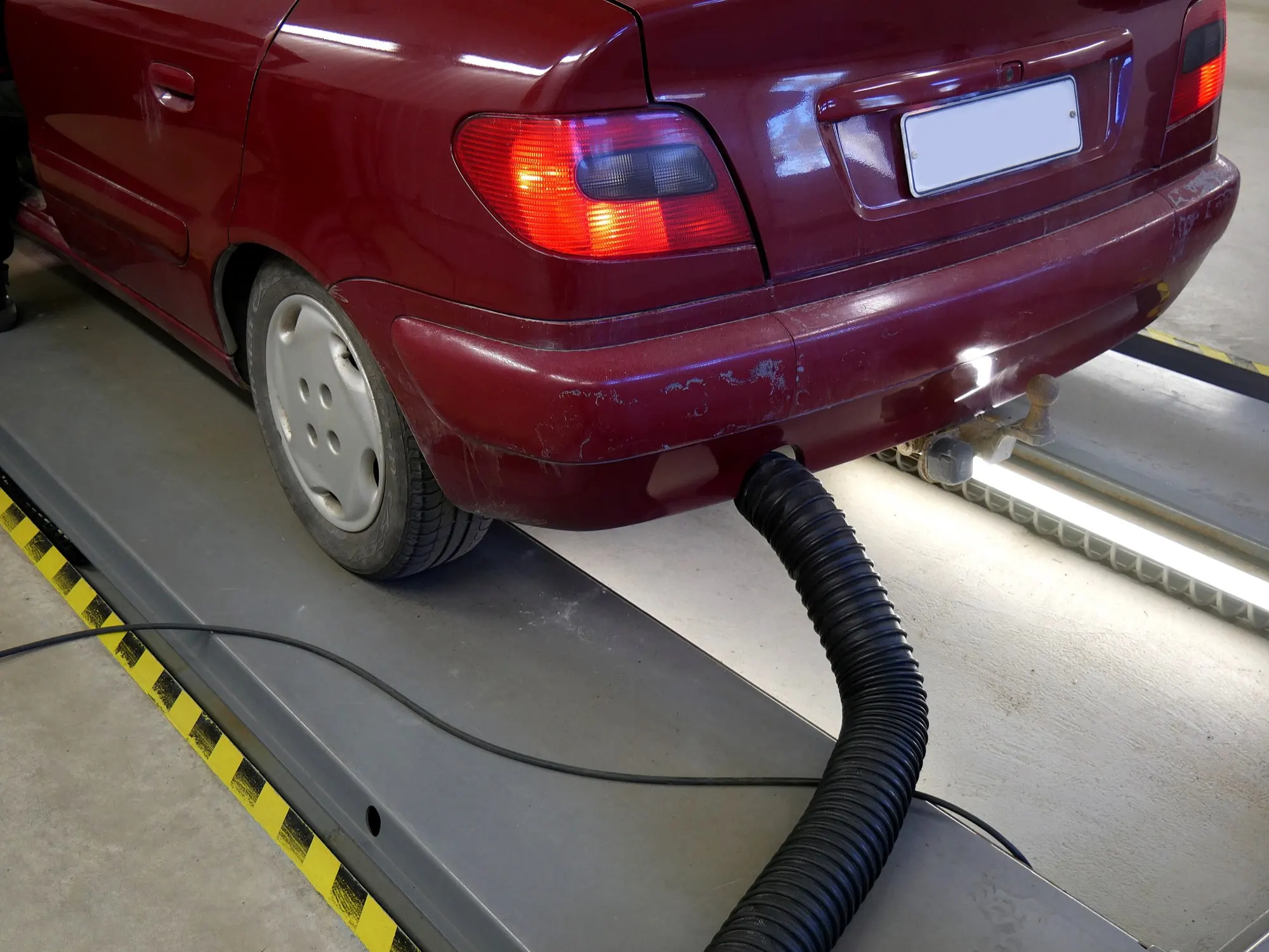
MFK vehicle inspection: preparation, intervals and a checklist for Zürich
The summons to the MFK is in your letterbox. Now what? With a little preparation, the inspection at the Road Traffic Office loses its terrors. Here you can read how often it is due, what the inspectors look at and what you can check yourself beforehand.
5 min read