Advice5 min read
Car battery in winter: why it fails and how to prevent it
In winter the car battery is the most common cause of breakdowns – in combustion cars and electric cars alike. If you know the warning signs and have the battery checked in good time, you avoid the morning when nothing works.
Published on
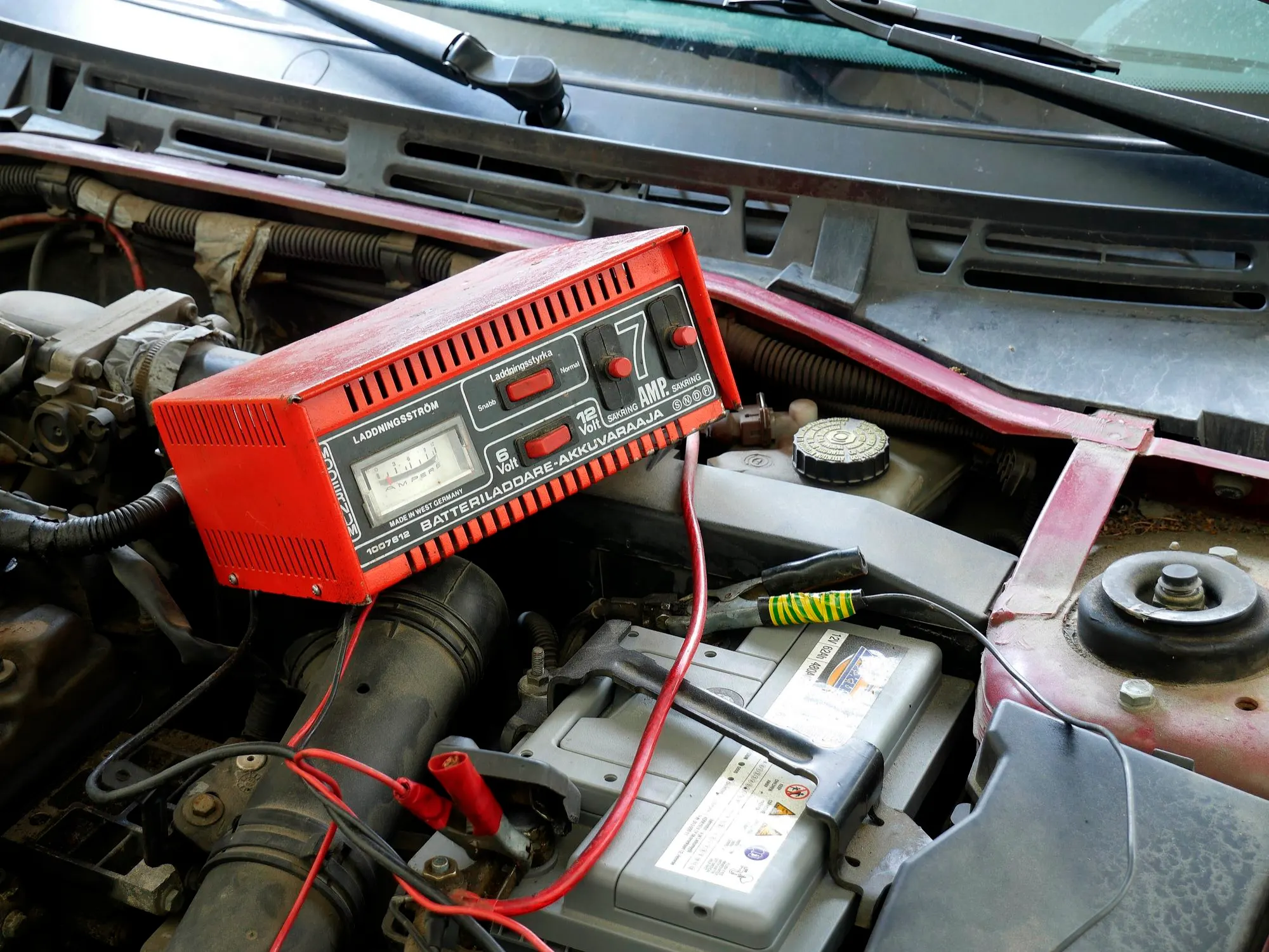
Why the car battery struggles in winter
In winter the car battery has a hard time on three counts. First, it delivers less in the cold: according to the TCS its capacity peaks at around 25 degrees and falls as the temperature drops, because the chemical processes slow down. Second, the engine needs more energy to start, as the oil thickens in the cold. Third, more consumers are running – seat, steering wheel and window heating, the blower, the lights.
The first week of January 2026 showed what that means: on Monday 5 January alone, TCS roadside assistance was called out 2,232 times, more than twice as often as on a normal day. In almost 60 per cent of cases the starter battery was the cause. Over the whole of 2025, too, it topped the list with 37.2 per cent of call-outs – in cars with combustion engines just as in electric cars, which also have a 12-volt battery for the on-board network and control units.
How to recognise a weak battery
A starter battery lasts about five years on average, according to the TCS. If you mostly drive short distances you may be affected sooner, because the battery is not recharged enough on the way. A warning light does not always appear; take these signs seriously:
- The starter turns sluggishly and the engine is slow to fire
- The interior or instrument lighting dims noticeably when starting
- With the engine off, the dipped headlights become visibly weaker after a short time
- The blower or radio works weakly or cuts out
Checking the battery: measure the voltage or have it tested
The resting voltage gives a first indication. It is measured with a multimeter – not straight after a drive, but once the car has stood for a few hours. The German motoring club ADAC gives around 12.8 volts for a fully charged conventional battery; values between 12.4 and 12.8 volts are fine, about 12.2 volts means it is only half charged. AGM batteries are slightly higher in each case.
Voltage alone, however, says little about how much power the battery can still deliver on a cold start. A battery test at a garage gives a reliable answer. The TCS advises having its condition checked before the really cold weather and replacing a weak battery in good time – most failures could be avoided that way.
How to get the battery through the winter
A few habits take a noticeable load off the battery. Deep discharges harm it most; avoiding them is the main aim.
- Switch on the heated rear window, seat and steering wheel heating only for as long as needed
- Do not run the radio, lights and ventilation for long with the engine off
- If you drive many short trips or leave the car standing for long periods, top up the battery with a suitable charger
- Keep the battery casing clean and dry to prevent leakage currents; the terminal clamps must be tight and clean
- Have the battery tested before winter, especially if it is more than four to five years old
Jump-starting: the right order
If the car will no longer start, jump leads can help – but only in the right order, otherwise there is a risk of expensive damage to the electronics. The owner’s manuals of both vehicles always take precedence. ADAC describes the procedure as follows:
After the third unsuccessful attempt you should call for help. According to ADAC, electric and hybrid cars are usually not intended to act as the donor vehicle. Once the engine is running again, recharge the battery with a charger or on a longer drive. If the problem recurs, the battery is probably faulty or too old.
- Red lead first to the positive terminal of the broken-down car, then to the positive terminal of the donor battery
- Black lead to the negative terminal of the donor battery, the other end to the earth point or a bare metal part of the engine block of the broken-down car – not to its battery
- Start the donor car and let it run for a few minutes, then start the broken-down car
- Before disconnecting, switch on the blower and lights in the car that was jump-started to avoid voltage spikes
- Remove the leads in reverse order: first black on the jump-started car, then on the donor car, red last
New battery: the right type matters
If the battery is too old or has been deeply discharged several times, only a replacement helps. The type has to be right. Cars with automatic start-stop usually have an EFB or AGM battery, developed for the many starts. According to the TCS: where an AGM battery is fitted at the factory, an AGM must go back in; with an EFB, at least another EFB.
Besides the type, the casing dimensions and the electrical values have to match – voltage, capacity and cold cranking current. The TCS points out that capacity matters more than a particularly high cold cranking current and that changing the battery yourself requires basic knowledge.
Battery check and replacement in Zurich-Oerlikon
In the workshop of Semes Automobile AG, Schwamendingenstrasse 106 in Zurich-Oerlikon, the battery is checked and replaced if necessary – for all makes and models.
You can request an appointment online, in the form under “Battery” or together with the winter check, or by phone on 043 311 64 80. The garage is open Monday to Friday from 07.00 to 12.00 and from 13.00 to 19.00, and on Saturday from 08.00 to 16.00.
Frequently asked questions
How long does a car battery last?
About five years on average, says the TCS. With good care and regular recharging, six to eight years are possible according to ADAC; many short trips and deep discharges shorten its life.
Do electric cars have a starter battery too?
In addition to the traction battery they have a 12-volt battery for the on-board network and control units. According to the TCS it is the most common cause of breakdowns in electric cars as well.
What voltage should a car battery have?
At rest, measured a few hours after driving, 12.4 to 12.8 volts is fine according to ADAC. If the voltage soon falls below 12 volts again even after charging, the battery is no longer serviceable.
Sources
- Kälte verdoppelt Einsätze der Pannenhilfe des TCS – TCS, Medienmitteilung vom 12. Januar 2026
- Darauf kommt es bei Batterien an – TCS
- Autobatterie: So testet man, ob der Akku noch hält – ADAC
- Auto überbrücken: So geben Sie richtig Starthilfe – Schritt für Schritt – ADAC
The facts in this article are based on these sources (accessed on 28 November 2026). For binding information, the body concerned is authoritative. General information without warranty; it does not replace individual advice.
More articles
Advice
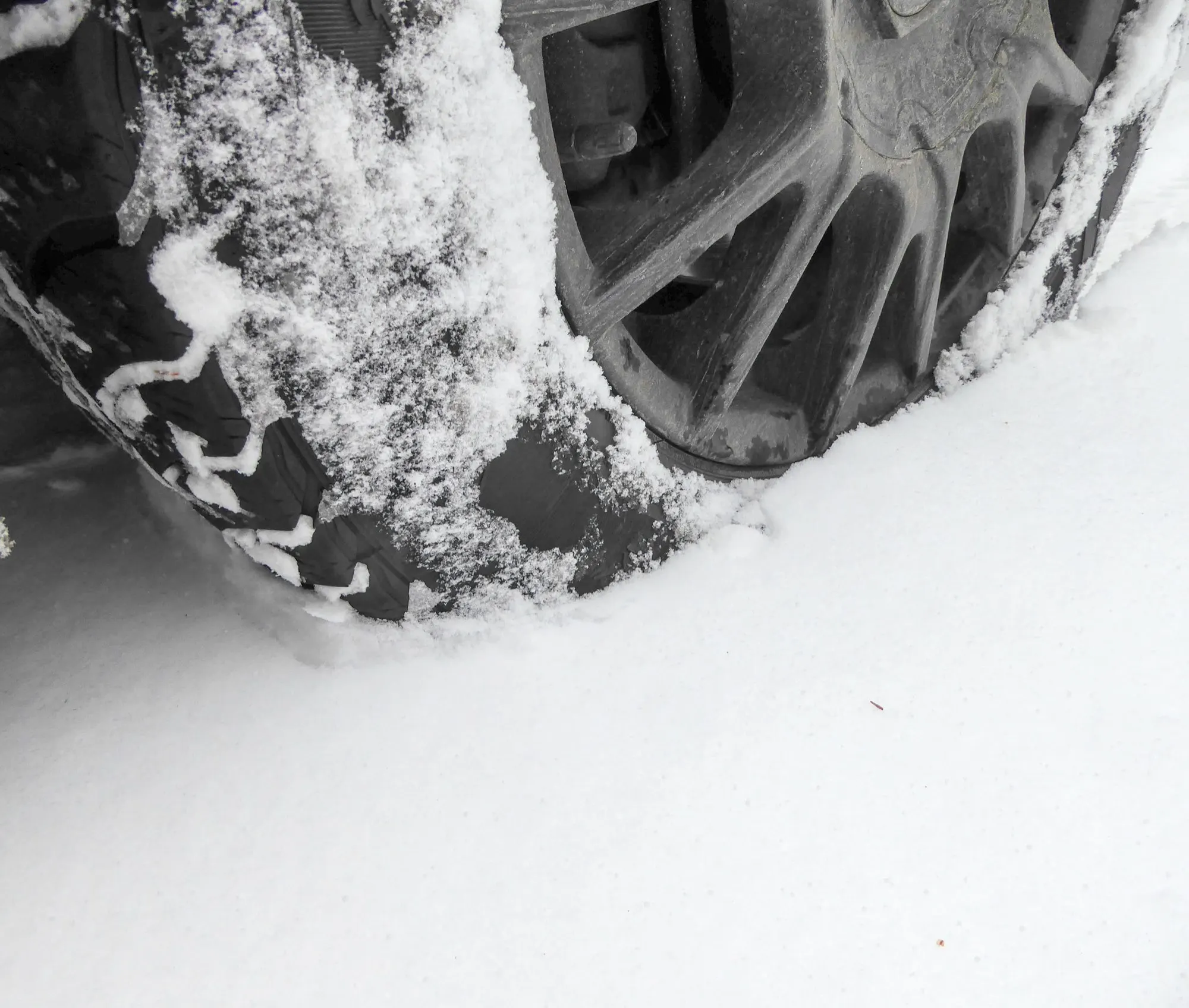
Are winter tyres mandatory in Switzerland? The rules and the risks without them
Switzerland has no legal requirement to fit winter tyres. Driving on snow with summer tyres can still have consequences. Here is what the law asks for, when to change tyres and what matters for tread and markings.
5 min read
Technology
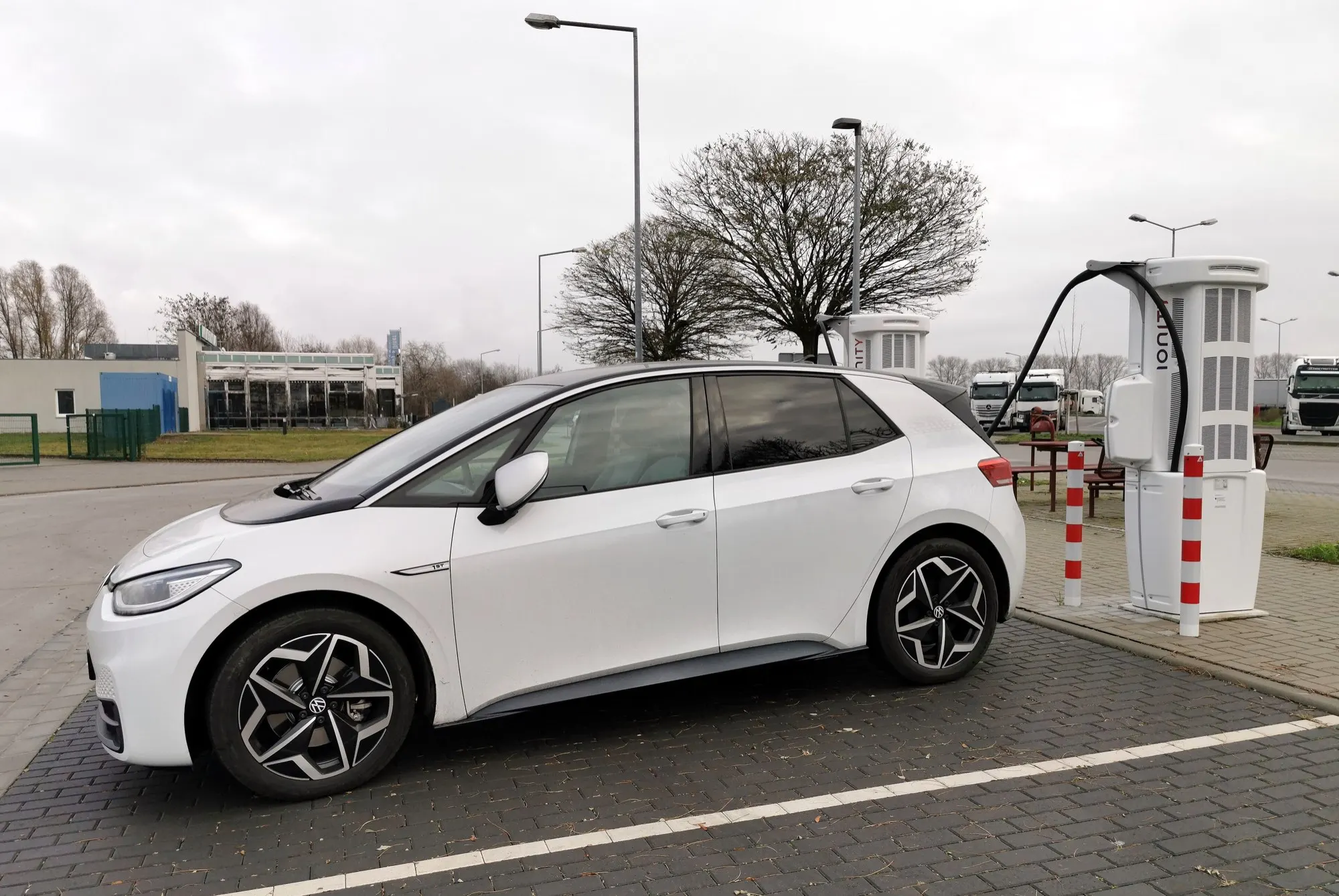
Electric car range in winter: how much you lose and what helps
An electric car’s range drops noticeably in winter – in tests by around a quarter on average compared with the rated figure. The reasons are well understood, and pre-heating, seat heating and a moderate speed win back a good part of it.
5 min read
Technology
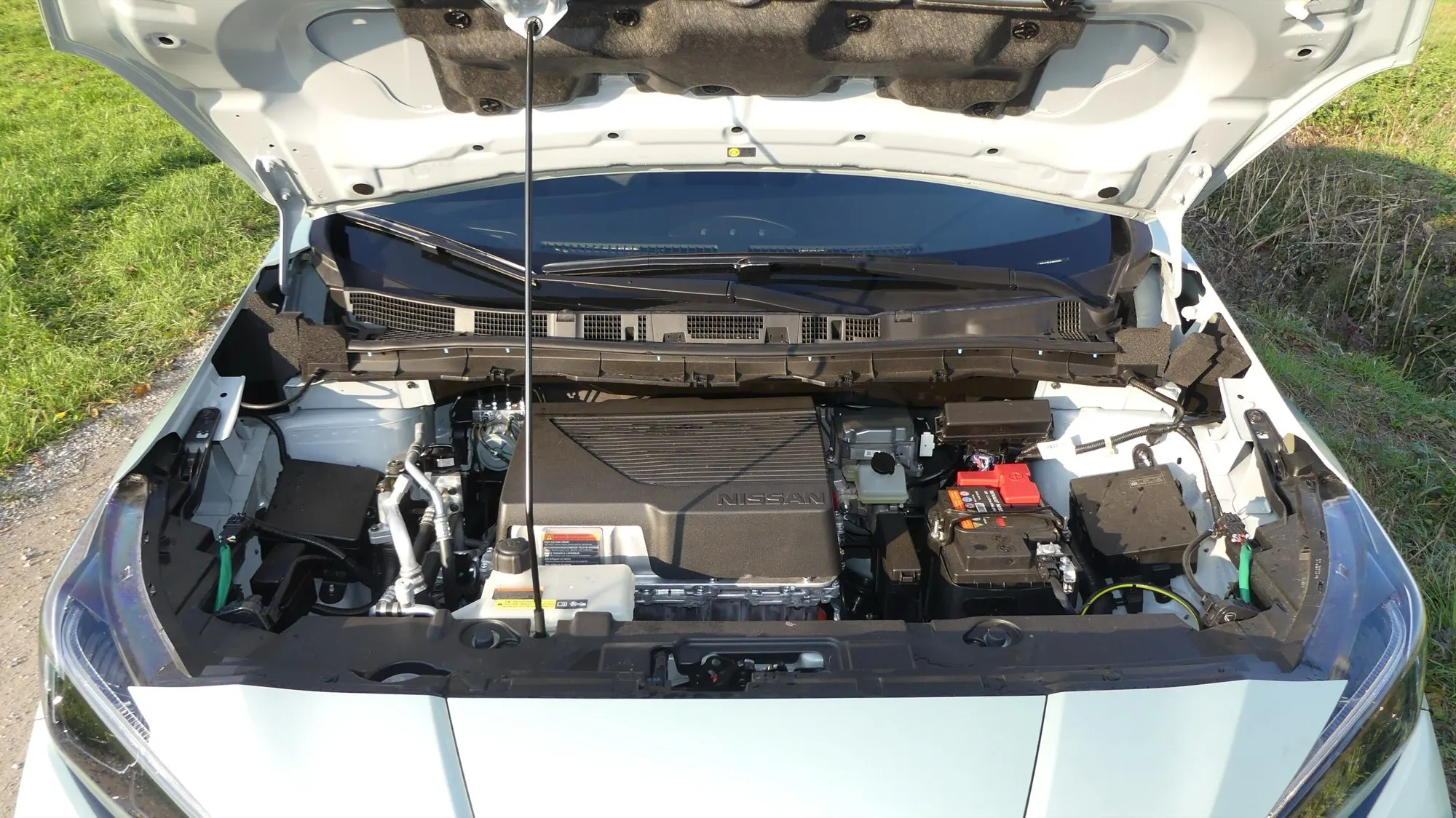
Electric car servicing and maintenance: what stays, what goes
No oil change, no spark plugs, no exhaust: an electric car needs less servicing and maintenance than a combustion car – but not none. An overview of what remains on the list.
5 min read