Technology5 min read
Electric car servicing and maintenance: what stays, what goes
No oil change, no spark plugs, no exhaust: an electric car needs less servicing and maintenance than a combustion car – but not none. An overview of what remains on the list.
Published on
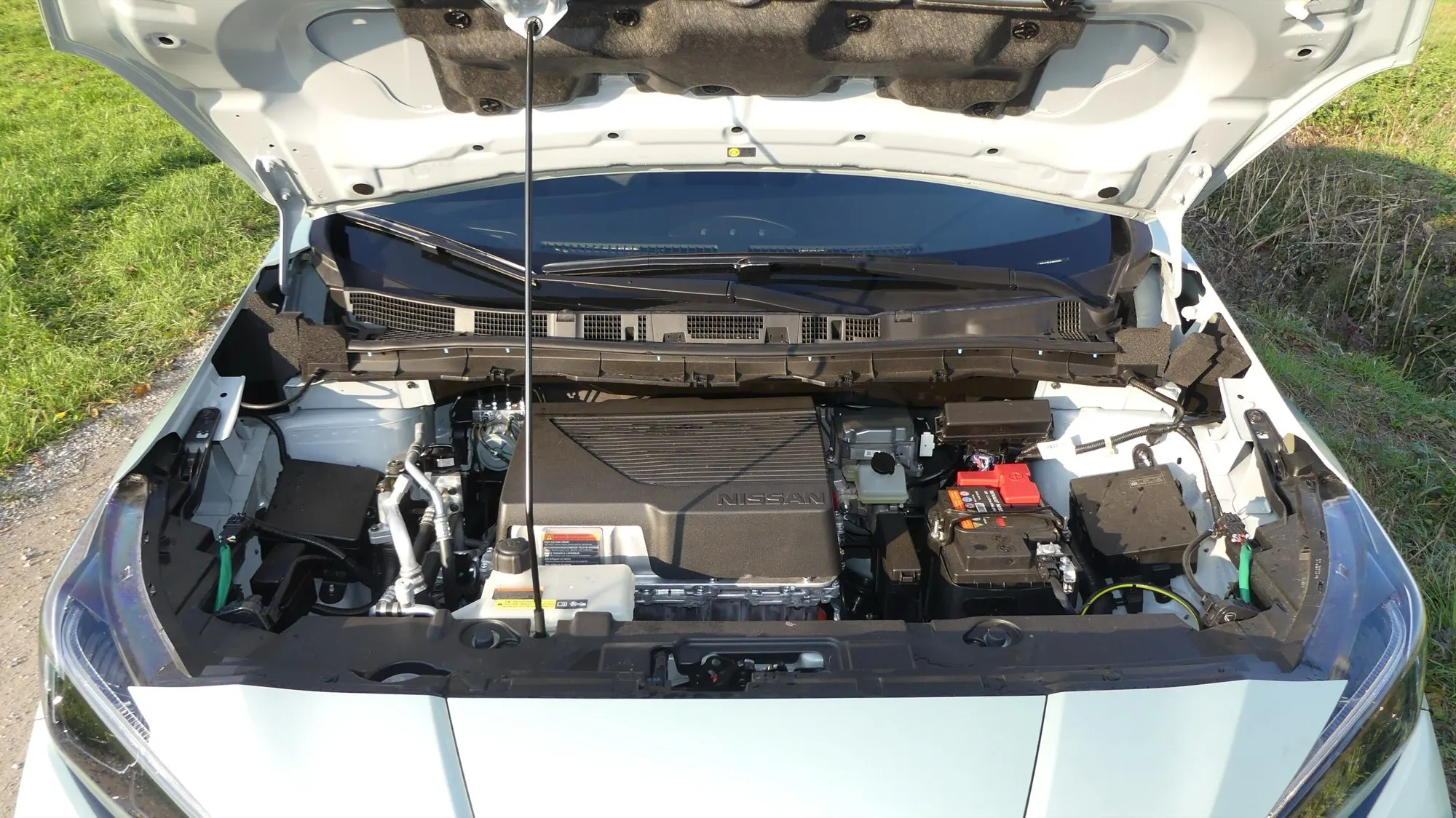
Electric car servicing: less maintenance, but not none
Servicing and maintenance are leaner for an electric car than for a petrol or diesel model. The electric drivetrain has far fewer mechanical parts: there is no engine oil, no oil filter and no spark plugs, as the German motoring club ADAC notes in its comparison of inspection costs. The clutch, the exhaust system and the fuel system are gone as well.
In a 2026 ADAC sample of franchised workshops in three large German cities, the inspection of a combustion car cost – with one exception – at least a third more than that of the comparable electric car. The figures come from Germany and cannot simply be transferred to Zurich. The Swiss touring club TCS confirms the direction, however: electric cars usually cost considerably less to maintain.
The TCS also points to the other side of the coin. Service intervals and the scope of a service differ widely from model to model, and short intervals or prescribed fluid changes add up. The manufacturer's service schedule for your exact model is therefore always the reference.
What is checked when an electric car is serviced
In many respects an electric car is simply a car. Suspension, steering, brakes, tyres, lights and air conditioning age regardless of the drivetrain. Depending on the manufacturer and the model, a service typically covers these points:
The TÜV Report 2027, which evaluates the periodic roadworthiness tests in Germany, shows why these checks matter: electric cars stand out there mainly for suspension and brake defects, not for drivetrain faults. The differences between models are large, though.
- Brakes: condition of discs and pads, brake fluid
- Tyres: tread, pressure and even wear
- Suspension and steering: mountings, joints, shock absorbers
- Coolant: level and condition of the cooling circuit for battery and drivetrain
- 12-volt battery: condition and charge
- Cabin filter and air conditioning
- Lights, wipers and washer fluid
- Electronics: reading the fault memory, checking the software version
- Traction battery: capacity measurement where it is provided for
Brakes and tyres: the special points
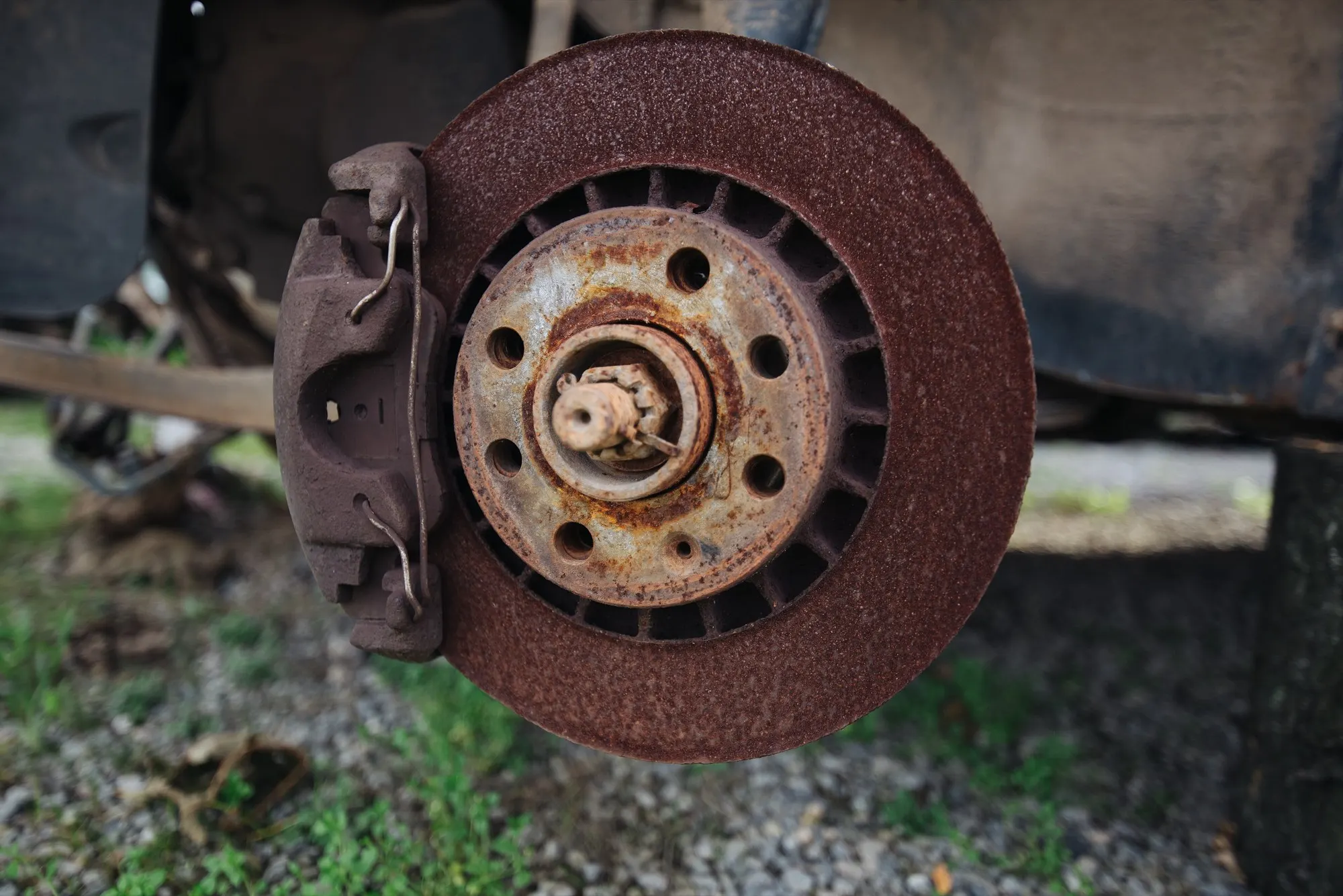
In everyday driving an electric car often slows down through its motor and recovers electricity in the process (regenerative braking). The friction brakes are therefore rarely at work. That spares pads and discs, but it has a drawback: brakes that are hardly used can rust, as ADAC points out. Its tip: brake more firmly from time to time to clean the discs – but only when traffic safely allows it. The brakes should therefore be looked at during every service, even if the car has covered few kilometres.
The traction battery makes an electric car heavy. In connection with the TÜV Report, the higher weight is named as one possible reason for defects. For the tyres the same applies as for any car: check the tread and even wear regularly. ADAC recommends checking the tyre pressure at least every two weeks.
The 12-volt battery: small, but often the cause of a breakdown
Alongside its large traction battery, an electric car also has a small 12-volt battery that supplies the on-board electronics. According to the ADAC breakdown statistics 2026, the starter battery was the most frequent cause of all breakdowns in 2025, at 45.4 per cent – and the 12-volt battery is a weak point in electric cars too. It can discharge quickly; frequently “waking” the car from the app puts additional strain on it.
Overall, electric cars break down less often: among two-year-old vehicles ADAC counted 2.1 breakdowns per 1,000 electric cars compared with 5.8 for combustion cars. A 12-volt battery typically lasts five to six years, according to ADAC. It is worth having it tested during the service and replaced in good time.
Traction battery, software and the manufacturer's requirements
The traction battery and the high-voltage cables, recognisable by their orange colour, are not a job for do-it-yourselfers. Work on the high-voltage system belongs exclusively in the hands of people trained for it. Before booking, ask which jobs the garage carries out on your model. The condition of the battery can be assessed with a capacity measurement; when buying a used electric car, the TCS advises paying attention to a battery certificate.
According to the TCS, manufacturers usually cover the traction battery for eight years or 160,000 kilometres. Such commitments are tied to conditions. So keep to the service schedule and keep the receipts. Software updates are partly installed in the workshop during the service and partly arrive directly in the car over the mobile network.
Servicing your electric car in Zurich-Oerlikon
Semes Automobile AG at Schwamendingenstrasse 106 in Zurich-Oerlikon is an independent garage for all makes. You can request an appointment there for a service, brakes, tyres, air conditioning, the 12-volt battery or a fault diagnosis.
In your request, state the make, model and mileage and say what the service schedule of your electric car calls for next. That makes it possible to clarify in advance which jobs the workshop can do. You can reach the garage by phone on 043 311 64 80.
Frequently asked questions
How often does an electric car need a service?
The manufacturer decides, and according to the TCS the intervals differ widely from model to model. Some manufacturers prescribe no fixed intervals at all. That makes it all the more important to have brakes, suspension and tyres checked regularly anyway.
Does an electric car need an oil change?
No: an electric drivetrain has no engine oil, no oil filter and no spark plugs. Other fluids remain, though: brake fluid, coolant and washer fluid are checked or replaced according to the manufacturer's schedule.
Why do the brakes of an electric car rust sooner?
Because the car mostly slows down through its electric motor and the friction brakes are rarely used. Brake discs that see little use develop rust. Braking more firmly now and then and a check at every service help to prevent it.
Sources
- Inspektionskosten im Vergleich: E-Auto vs. Verbrenner – ADAC
- Sieben Tipps zum Kauf eines Elektroautos – TCS
- ADAC Pannenstatistik 2026: Die Gewinner und Verlierer – ADAC
- Elektroauto-Wartung – AXA Schweiz
- E-Autos gewinnen bis zu 40 Prozent Energie zurück – ADAC
- TÜV-Report 2027: Zu viele Autos fallen bei der HU durch – ADAC
The facts in this article are based on these sources (accessed on 28 November 2026). For binding information, the body concerned is authoritative. General information without warranty; it does not replace individual advice.
More articles
Technology
Electric car brakes: regenerative braking, rust and proper care
An electric car mostly brakes with its motor and recovers electricity as it does so. This regenerative braking spares the brakes – and for that very reason creates a new problem: rust on discs that are hardly used.
5 min read
Technology
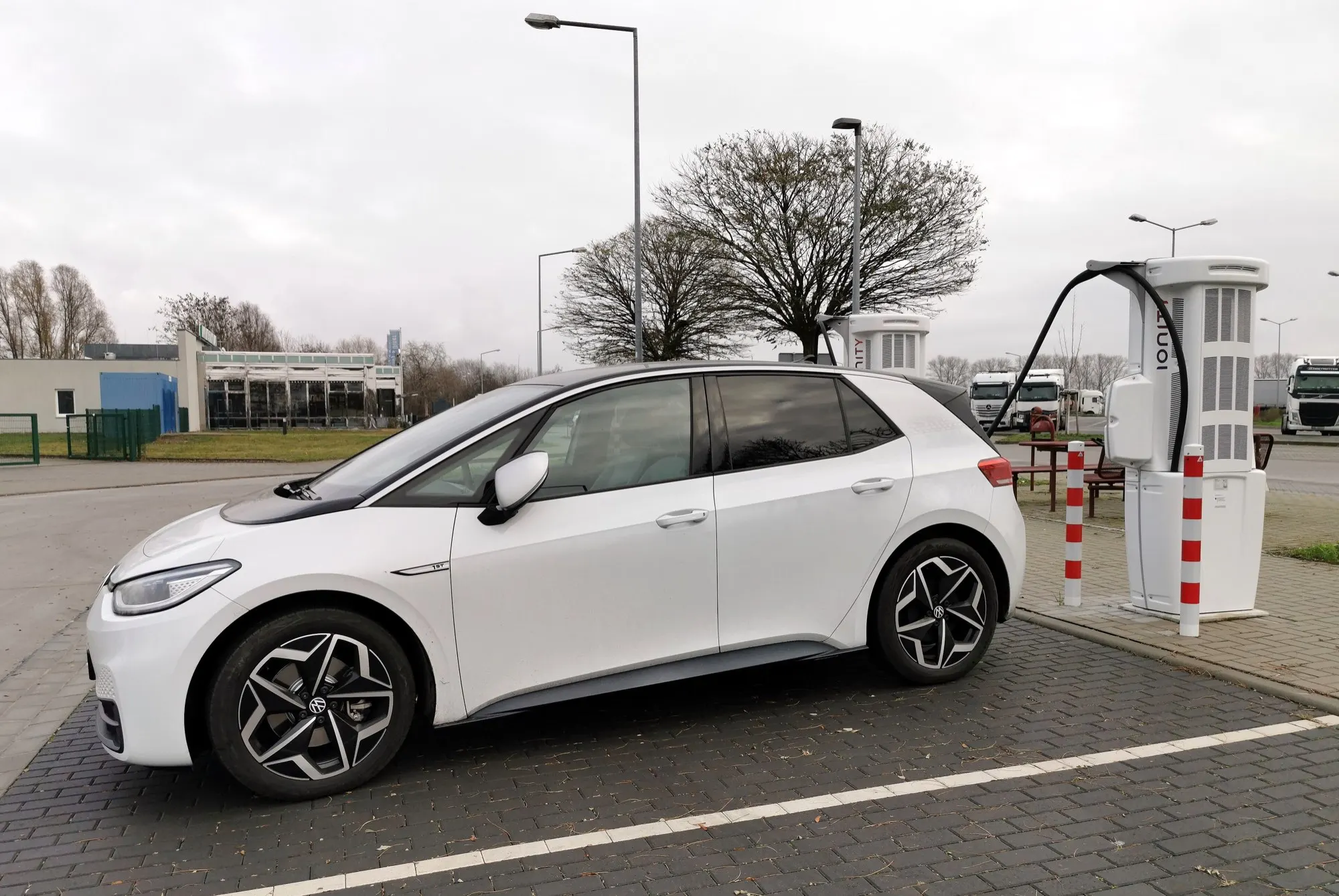
Electric car range in winter: how much you lose and what helps
An electric car’s range drops noticeably in winter – in tests by around a quarter on average compared with the rated figure. The reasons are well understood, and pre-heating, seat heating and a moderate speed win back a good part of it.
5 min read
Advice
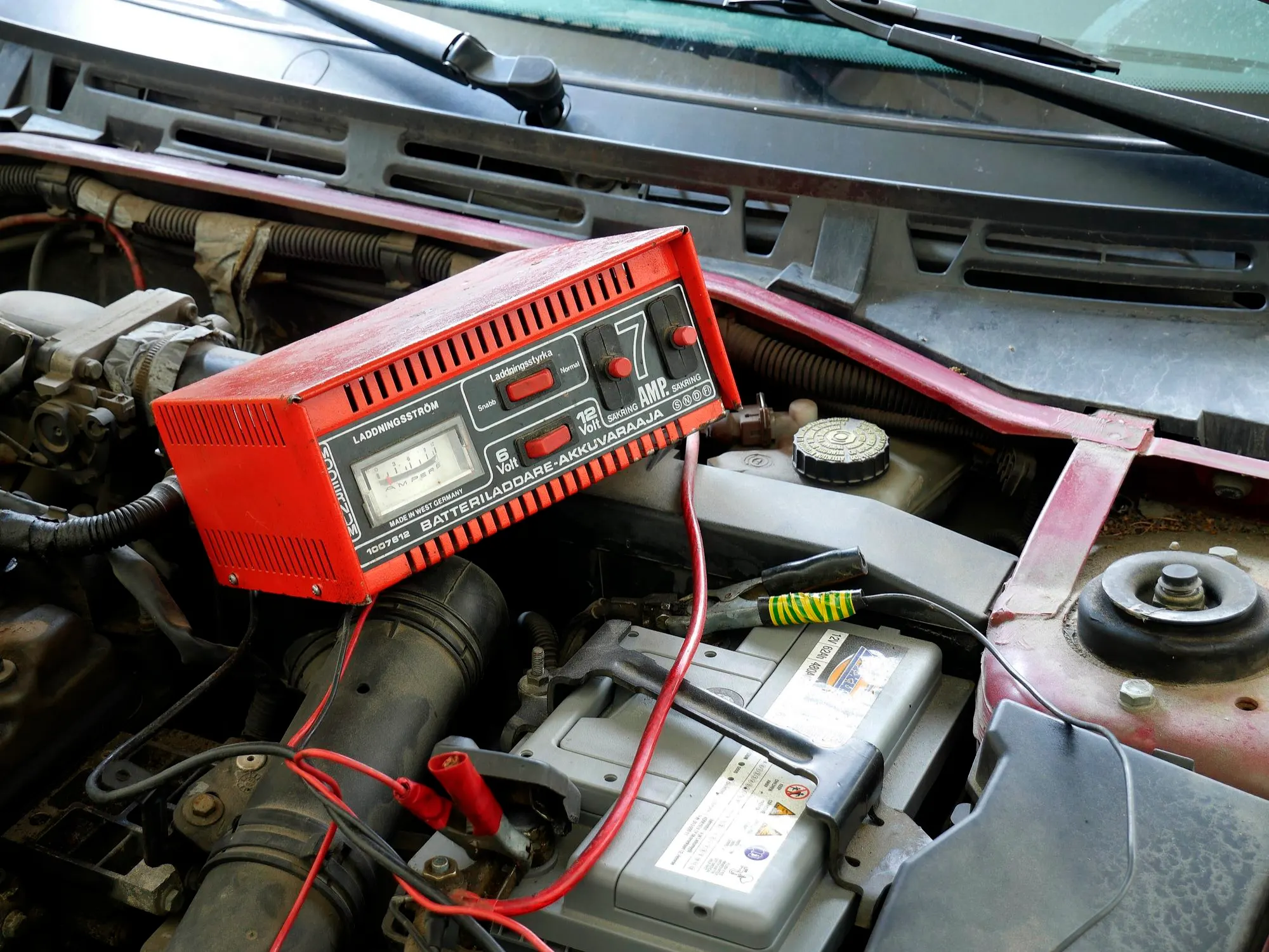
Car battery in winter: why it fails and how to prevent it
In winter the car battery is the most common cause of breakdowns – in combustion cars and electric cars alike. If you know the warning signs and have the battery checked in good time, you avoid the morning when nothing works.
5 min read