Technology5 min read
Electric car range in winter: how much you lose and what helps
An electric car’s range drops noticeably in winter – in tests by around a quarter on average compared with the rated figure. The reasons are well understood, and pre-heating, seat heating and a moderate speed win back a good part of it.
Published on
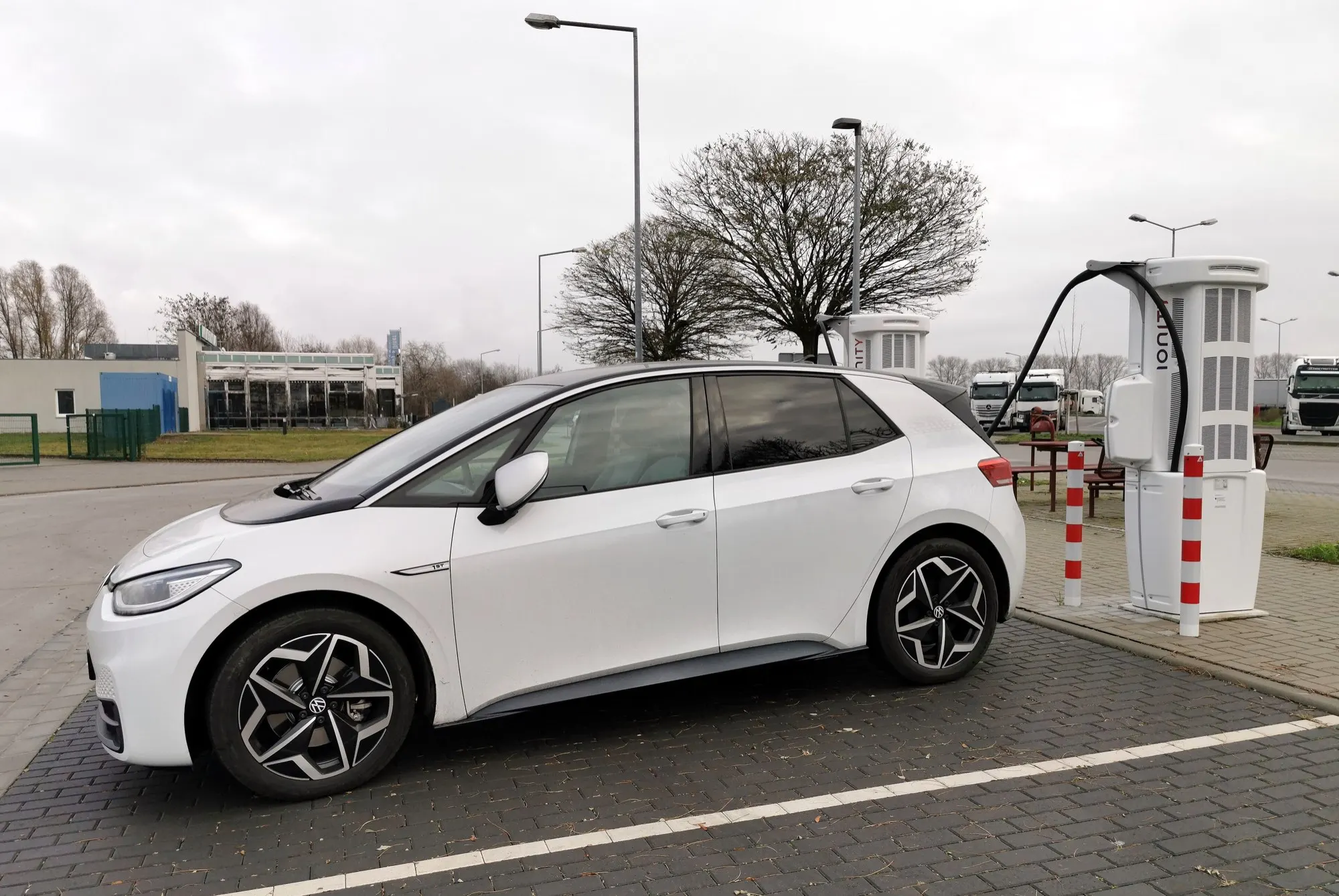
Why electric car range falls in winter
There are two reasons why electric car range is lower in winter, and both have to do with the battery. First, the battery works less well in the cold: low temperatures increase electrical resistance and slow the electrochemical processes. The vehicle therefore heats the battery to operating temperature – and uses electricity to do so.
Second, energy demand rises. A combustion engine supplies heat for the cabin as a by-product; an electric car has to generate it from the battery. According to the TCS, the cabin air heater draws two to five kilowatts and raises consumption by roughly 10 to 20 per cent. Below freezing, the vehicle also limits power until the battery is warm.
How much range is lost?
In 2023 the TCS, together with the Norwegian automobile club NAF, drove 28 electric cars in sub-zero temperatures, partly on snow. On average the range was about 25 per cent below the WLTP figure; not a single car reached the manufacturer’s value. On the same route the deviation in summer was only about 5 per cent. In an earlier NAF test with 20 vehicles at roughly minus 6 to plus 3 degrees it averaged 18.5 per cent, between 9 and 30 per cent depending on the model.
As a rule of thumb the TCS gives about one per cent less range for every degree below the WLTP test temperature. Speed has an even greater effect: motorway driving at 130 km/h increases energy consumption by about 25 per cent. The good news from the same tests: even in winter the ranges were far above the average daily distance. For family electric cars with a rated range of more than 500 kilometres, the TCS describes real winter ranges of over 300 kilometres as typical.
Heating, heat pump and heated seats
How much the heating costs depends heavily on the technology. According to the TCS a heat pump delivers the same heat as a conventional heater but uses around four times less energy. It is now standard on many models; in the TCS winter range test for 2026 all 14 family cars examined had one.
The most economical way is to heat the body directly. Seat and steering wheel heating together need only about 150 watts – the air heater requires roughly 10 to 30 times as much electricity. Setting the cabin temperature a little lower and warming the seat and steering wheel instead therefore saves energy without leaving you cold.
Charging in the cold: preconditioning helps
Charging also takes longer in the cold. A Finnish study cited by the TCS measured a charging speed around 15 per cent lower at minus 10 degrees than at an ideal 20 degrees. Charging curves and thermal management do differ from model to model, however.
Many electric cars can precondition the battery before rapid charging. The battery then arrives at the charger at a suitable temperature and charges faster, more efficiently and more gently. In the 2026 TCS test all vehicles had this function; charging stops of under 30 minutes are regarded as usual in this class even in winter.
How to get more range in winter
Heating up a cold cabin takes considerably more power than keeping it warm afterwards. The most important tip is therefore to pre-heat while the car is still plugged in. Auxiliary heating is standard on almost all electric cars and can usually be controlled by app.
- Pre-heat at the wallbox or charging station before setting off – the energy then comes from the grid, not from the battery
- Use seat and steering wheel heating and turn the cabin heating down a little
- Drive smoothly and with anticipation, and use regenerative braking sensibly
- Reduce your speed on the motorway: 110 instead of 120 km/h cuts air resistance by around 15 per cent
- Park in the sun where possible
- Precondition the battery before rapid charging
Before winter: tyres and winter check in Zurich-Oerlikon
Some winter preparations are the same for an electric car as for any other vehicle: winter tyres with enough tread and the right tyre pressure are among them. Semes Automobile AG, Schwamendingenstrasse 106 in Zurich-Oerlikon, is an independent garage that looks after all vehicle models; the tyre service covers tyre changes, tyre sales, storage and tyre checks.
In the appointment form, choose “winter check” or “tyre change” and your preferred day. You can reach the garage by phone on 043 311 64 80.
Frequently asked questions
How much range does an electric car lose in winter?
In a test by the TCS and NAF with 28 electric cars, range in sub-zero temperatures was on average about 25 per cent below the WLTP figure. Depending on model, temperature, speed and heating, the loss can be smaller or larger.
Will an electric car start in severe cold?
Yes. According to the TCS, electric drive has no cold-start problems. Below freezing the vehicle merely limits power until the battery heater has brought the battery up to operating temperature. As in any car, however, the 12-volt battery can fail.
Does cold damage an electric car’s battery?
No, quite the opposite: cold slows chemical ageing. The TCS describes the Swiss climate as favourable for battery life. The lower range in winter is temporary.
Sources
- Elektroautos mit 25 Prozent weniger Reichweite im Winter-Test – TCS, Medienmitteilung vom 15. März 2023
- Elektroauto bei Kälte: der Einfluss auf die Reichweite – TCS
- Reichweite Elektroautos im Winter 2025 – TCS
- Reichweite Elektroautos im Winter 2026 – TCS
- Kälte verdoppelt Einsätze der Pannenhilfe des TCS – TCS, Medienmitteilung vom 12. Januar 2026
The facts in this article are based on these sources (accessed on 28 November 2026). For binding information, the body concerned is authoritative. General information without warranty; it does not replace individual advice.
More articles
Advice
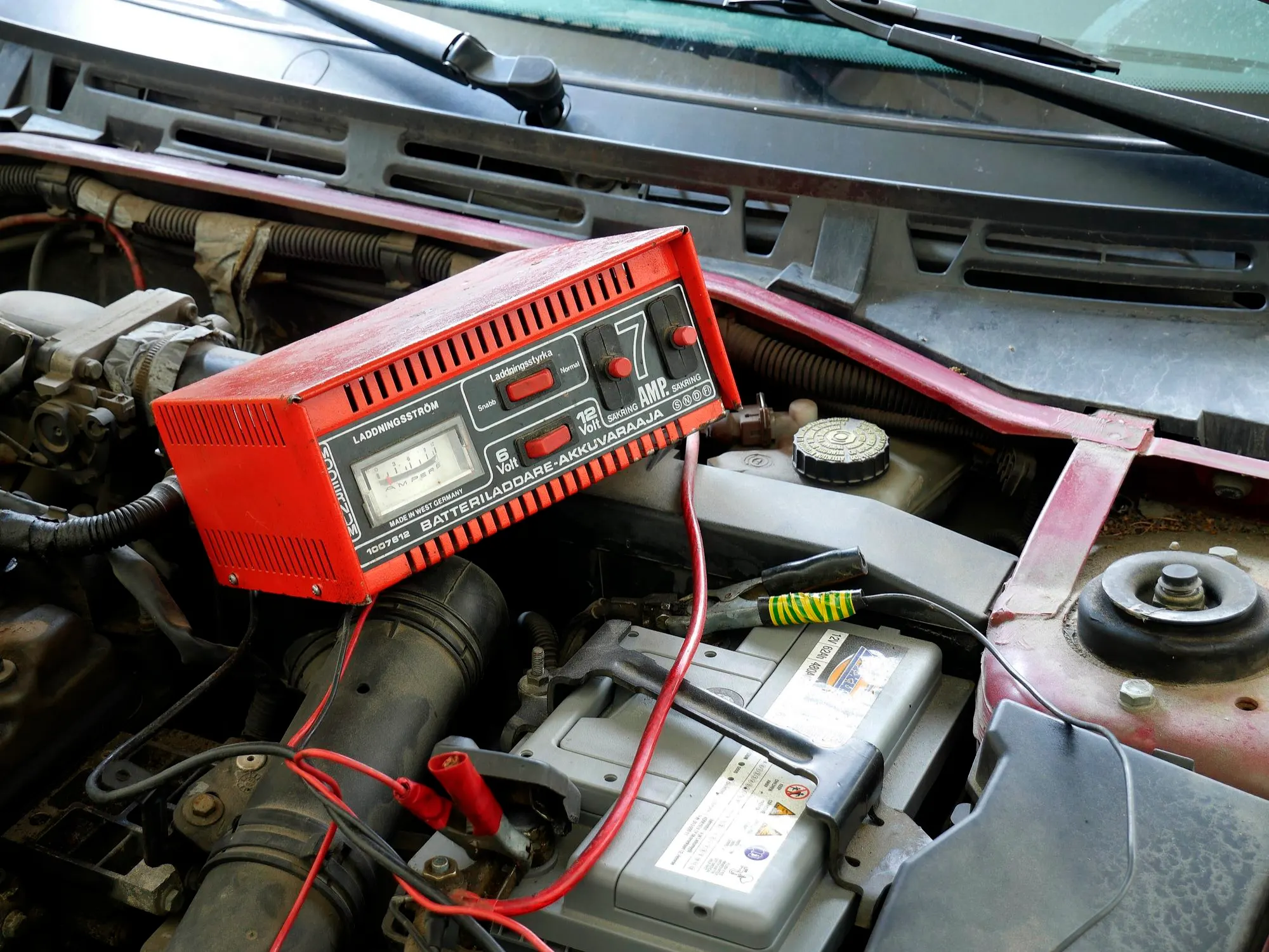
Car battery in winter: why it fails and how to prevent it
In winter the car battery is the most common cause of breakdowns – in combustion cars and electric cars alike. If you know the warning signs and have the battery checked in good time, you avoid the morning when nothing works.
5 min read
Technology
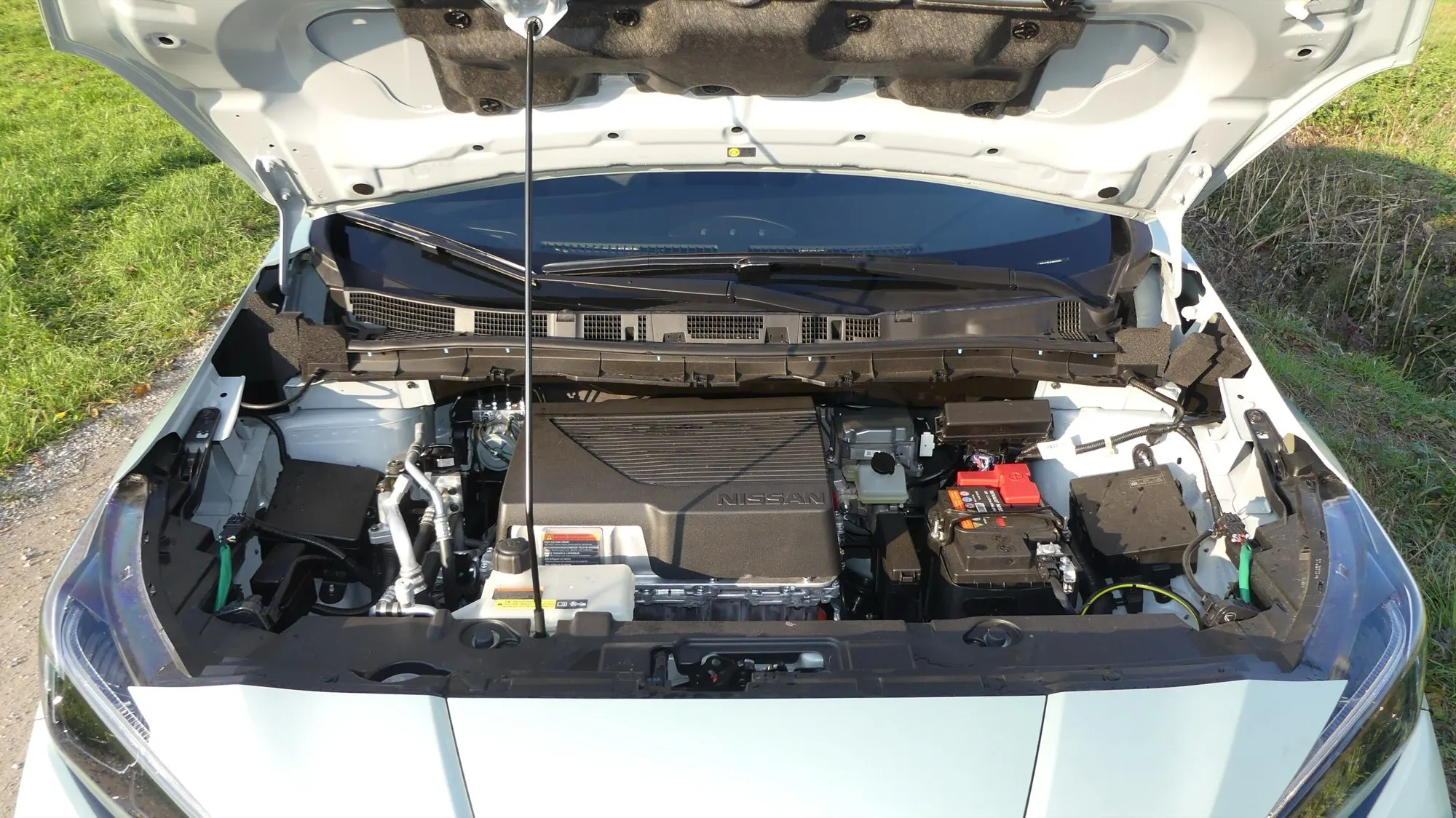
Electric car servicing and maintenance: what stays, what goes
No oil change, no spark plugs, no exhaust: an electric car needs less servicing and maintenance than a combustion car – but not none. An overview of what remains on the list.
5 min read
Technology
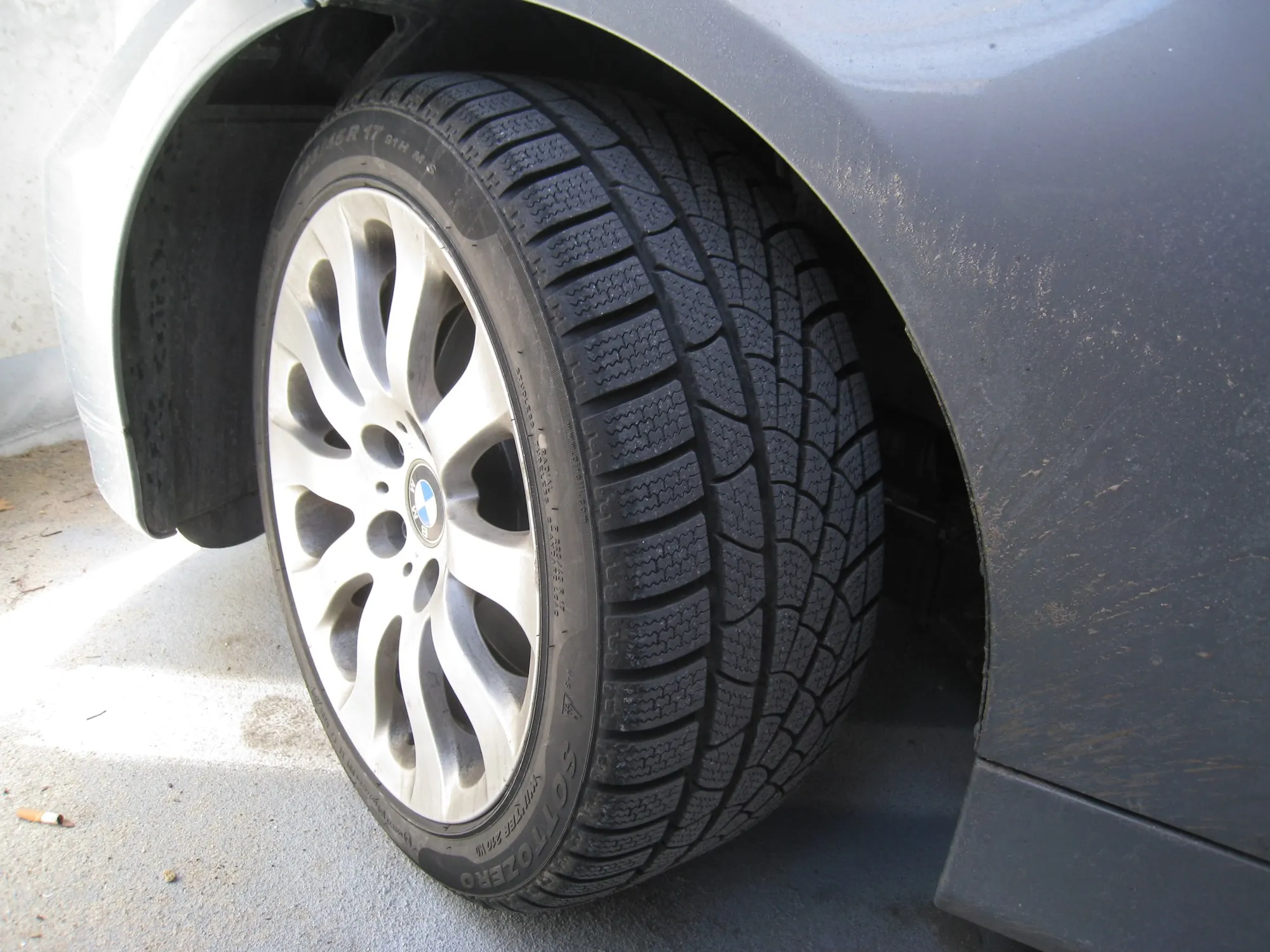
All-season tyres or winter tyres: which suits the way you drive?
All-season tyres or winter tyres – the question comes up every autumn. All-season tyres spare you the seasonal change but remain a compromise. What matters is where, how much and in what weather you drive.
4 min read