Technology4 min read
All-season tyres or winter tyres: which suits the way you drive?
All-season tyres or winter tyres – the question comes up every autumn. All-season tyres spare you the seasonal change but remain a compromise. What matters is where, how much and in what weather you drive.
Published on
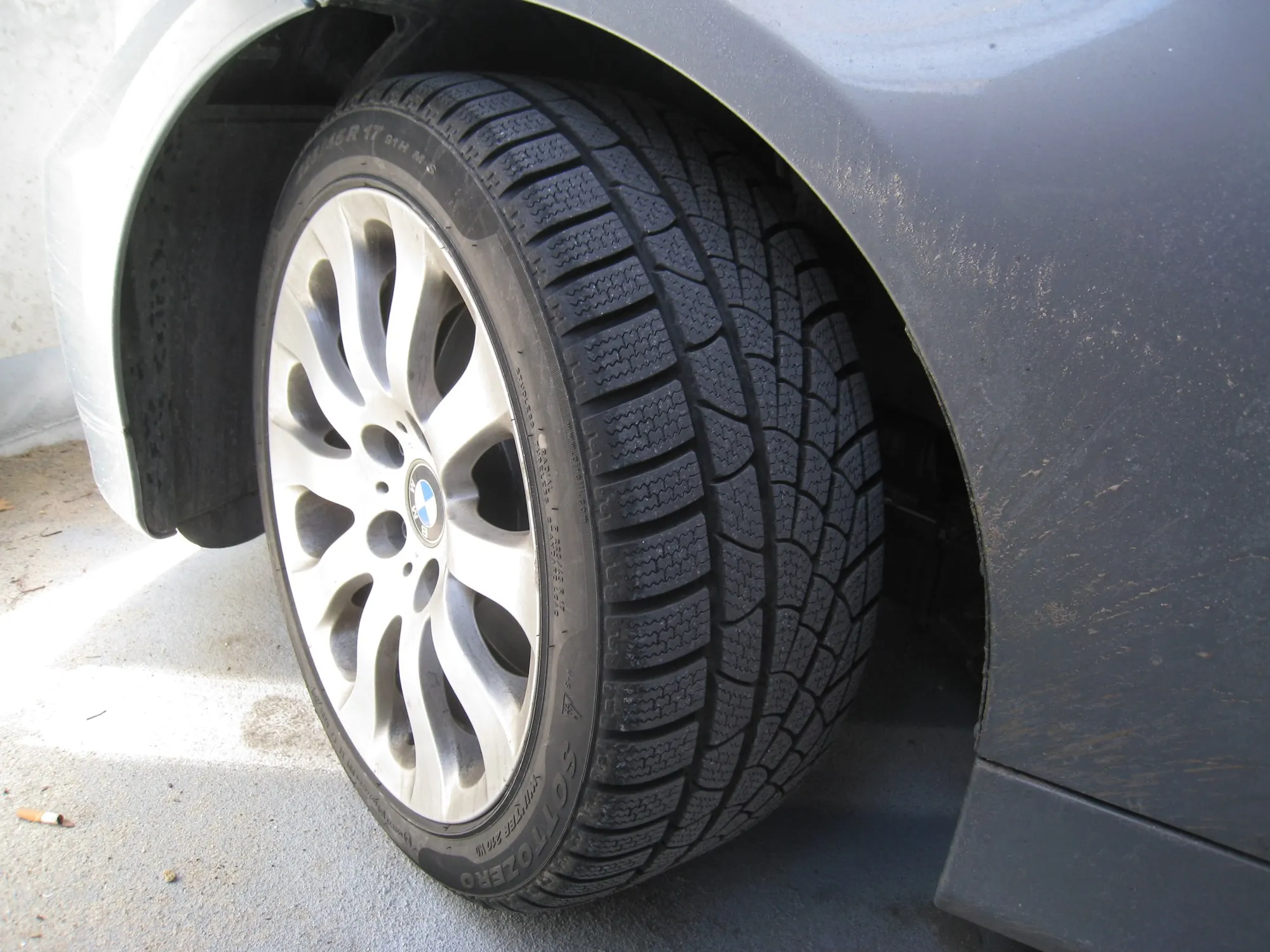
All-season tyres or winter tyres: what is the difference?
Whether all-season tyres or winter tyres are the better solution comes down to a technical trade-off. A winter tyre is designed for cold, wet and snow: its rubber compound stays flexible at low temperatures, and the many fine cuts in the tread, the sipes, bite into snow. A summer tyre is built for warm roads, dry or wet. The all-season tyre is supposed to do both.
That is exactly its difficulty. The Federal Roads Office (FEDRO), the BFU and the TCS all describe it as a compromise: models with good summer performance are weaker on snow, and models with good winter performance have drawbacks in warm, dry weather. On snow, an all-season tyre does not match a good winter tyre, according to the TCS.
What the 2026 TCS all-season tyre test shows
In 2026 the TCS tested sixteen all-season tyres in the small-car size 185/65 R15 against 19 criteria; driving safety on dry, wet and wintry roads accounts for 70 per cent of the score, the environmental balance for 30 per cent. The club calls the outcome sobering: only one model was rated “highly recommended”, seven are “recommended”, three “recommended with reservations” and five “not recommended”.
The main reason for the poor ratings was very weak behaviour on wintry roads. Good all-season tyres remain the exception in this size, says the TCS, and the gaps between models are wide – in braking as well as in expected mileage. If you opt for all-season tyres, choose a model rated at least “recommended” in the test. Bear in mind that the results apply to the size tested.
Who can manage with all-season tyres – and who cannot
In the TCS’s view, certain all-season tyres can be a suitable alternative for people who drive little, mostly in town, and can switch to public transport when conditions are difficult. The BFU puts it similarly: they suit those who drive rarely and can do without the car in certain weather. In Zurich, with its dense network of trams, buses and S-Bahn trains, that applies to some households.
Separate summer and winter tyres, by contrast, generally remain the better choice, according to the TCS, for:
- frequent motorway driving
- high temperatures in summer
- heavily loaded vehicles
- trips to the mountains and ski resorts
Do all-season tyres count as winter tyres?
Switzerland has no winter tyre requirement; the vehicle must, however, be roadworthy and under control at all times. A tyre is legally recognised as a winter tyre if it carries the snowflake symbol – three mountain peaks with a snowflake, 3PMSF for short. All the all-season tyres in the 2026 TCS test carry this symbol and therefore count as winter tyres in Switzerland and the EU.
This matters most for journeys abroad, where winter tyres are sometimes compulsory. The “M+S” marking alone has not been enough since 1 October 2024. The symbol only says that a minimum requirement on snow has been met, though – the test shows how large the differences are beyond that.
Tread, age and care: what applies to both types
For all-season tyres the TCS recommends at least 4 mm of tread in autumn and still at least 3 mm in spring; the legal minimum is 1.6 mm. Because the tyre is in use all year round, checking it twice a year is especially worthwhile. When you buy, tyres should be no more than three years old – the DOT code on the sidewall shows the age – and after eight years the TCS generally advises replacing them.
Whatever the type: always fit four tyres of the same model and check the pressure regularly. If you run winter tyres, do not simply wear them out in summer; the TCS advises against driving on winter tyres in the warm season.
Buying and changing tyres in Zurich-Oerlikon
Whether you stay with seasonal tyres or move to all-season tyres: the tyre service at Semes Automobile AG, Schwamendingenstrasse 106 in Zurich-Oerlikon, covers tyre sales, tyre changes, storage and tyre checks – tread depth, damage and pressure.
You can request an appointment for new tyres or a tyre change in Zurich online or by phone on 043 311 64 80.
Frequently asked questions
Are all-season tyres allowed in winter in Switzerland?
Yes. Switzerland does not prescribe winter tyres but requires a roadworthy vehicle. All-season tyres with the snowflake symbol (3PMSF) count as winter tyres. On snow, however, they do not reach the level of good winter tyres, according to the TCS.
Who are all-season tyres worthwhile for?
According to the TCS, for people who drive little, mostly in town, and can fall back on public transport in difficult conditions. Anyone who often drives on motorways, with heavy loads or into the mountains is better served by summer and winter tyres.
How much tread do all-season tyres need?
At least 1.6 mm by law. The TCS recommends at least 4 mm in autumn and at least 3 mm in spring.
Sources
- Ganzjahresreifentest: TCS rät von fünf Modellen ab – TCS, Medienmitteilung vom 15. September 2026
- Ganzjahresreifen im TCS-Test 2026 – TCS
- FAQ Reifen – TCS
- Autofahren im Winter – defensiv und mit Winterreifen – BFU, Beratungsstelle für Unfallverhütung
- Winterpneus: Von Oktober bis Ostern – ASTRA (Bundesamt für Strassen), Blog «Unterwegs»
- Übergangsfrist für Winterreifen mit «M+S»-Kennzeichnung in der Schweiz abgelaufen! – TCS
The facts in this article are based on these sources (accessed on 28 November 2026). For binding information, the body concerned is authoritative. General information without warranty; it does not replace individual advice.
More articles
Advice
Are winter tyres mandatory in Switzerland? The rules and the risks without them
Switzerland has no legal requirement to fit winter tyres. Driving on snow with summer tyres can still have consequences. Here is what the law asks for, when to change tyres and what matters for tread and markings.
5 min read
Technology
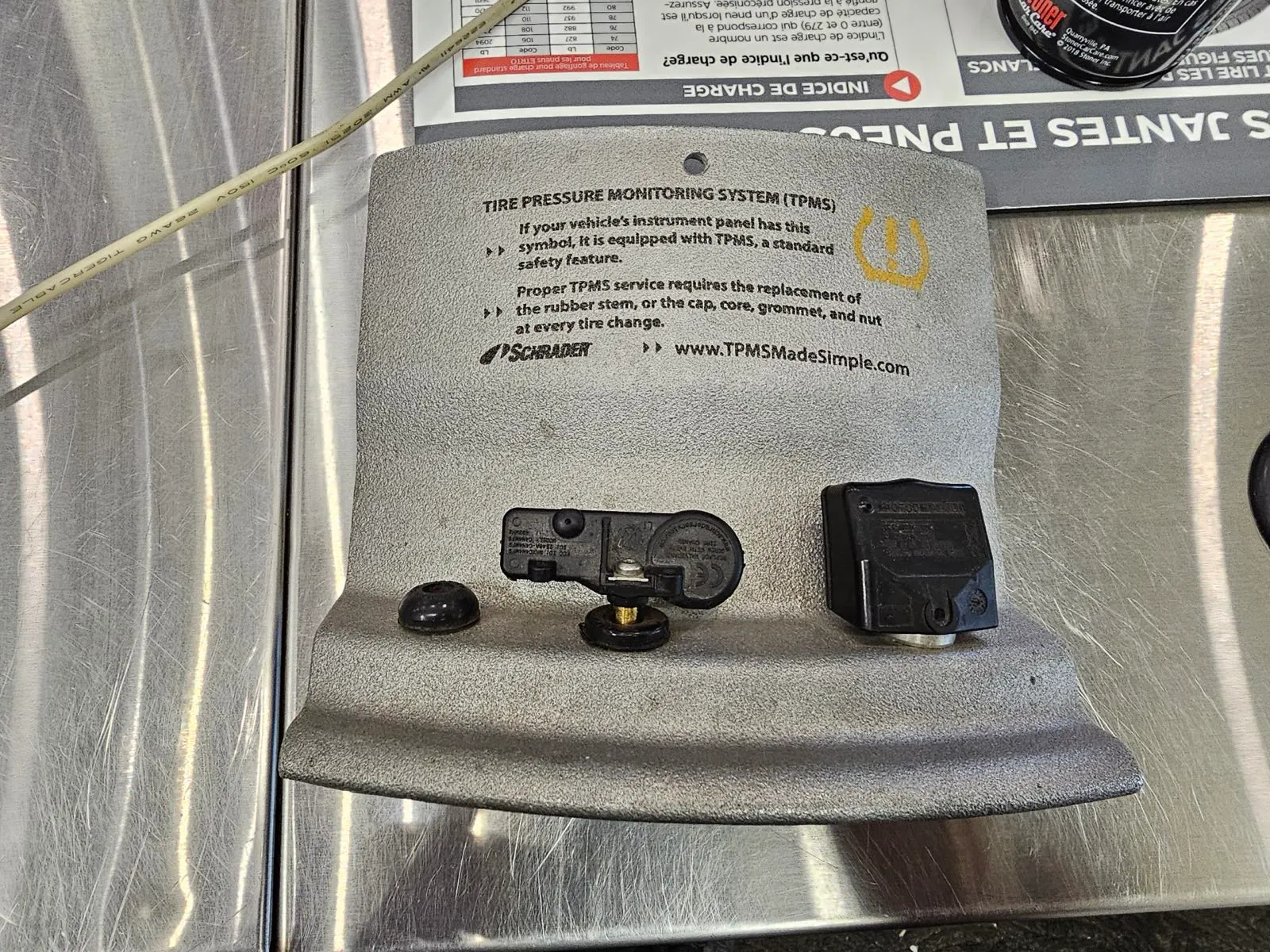
Tyre pressure monitoring system (TPMS): how it works, warning light, tyre changes
The tyre pressure monitoring system – TPMS, in German RDKS – watches the air pressure in your tyres and warns you when it drops. How the two designs work, what the yellow warning light means and why the system matters when you switch to winter wheels.
5 min read
Technology
Electric car range in winter: how much you lose and what helps
An electric car’s range drops noticeably in winter – in tests by around a quarter on average compared with the rated figure. The reasons are well understood, and pre-heating, seat heating and a moderate speed win back a good part of it.
5 min read