New models5 min read
Euro 7 emissions standard: what applies from late November 2026
The Euro 7 emissions standard applies in the EU from 29 November 2026 to new vehicle types. For the first time, an emissions standard also covers brake wear and the durability of traction batteries. We explain what changes, what stays the same and what it means for drivers in Switzerland.
Published on
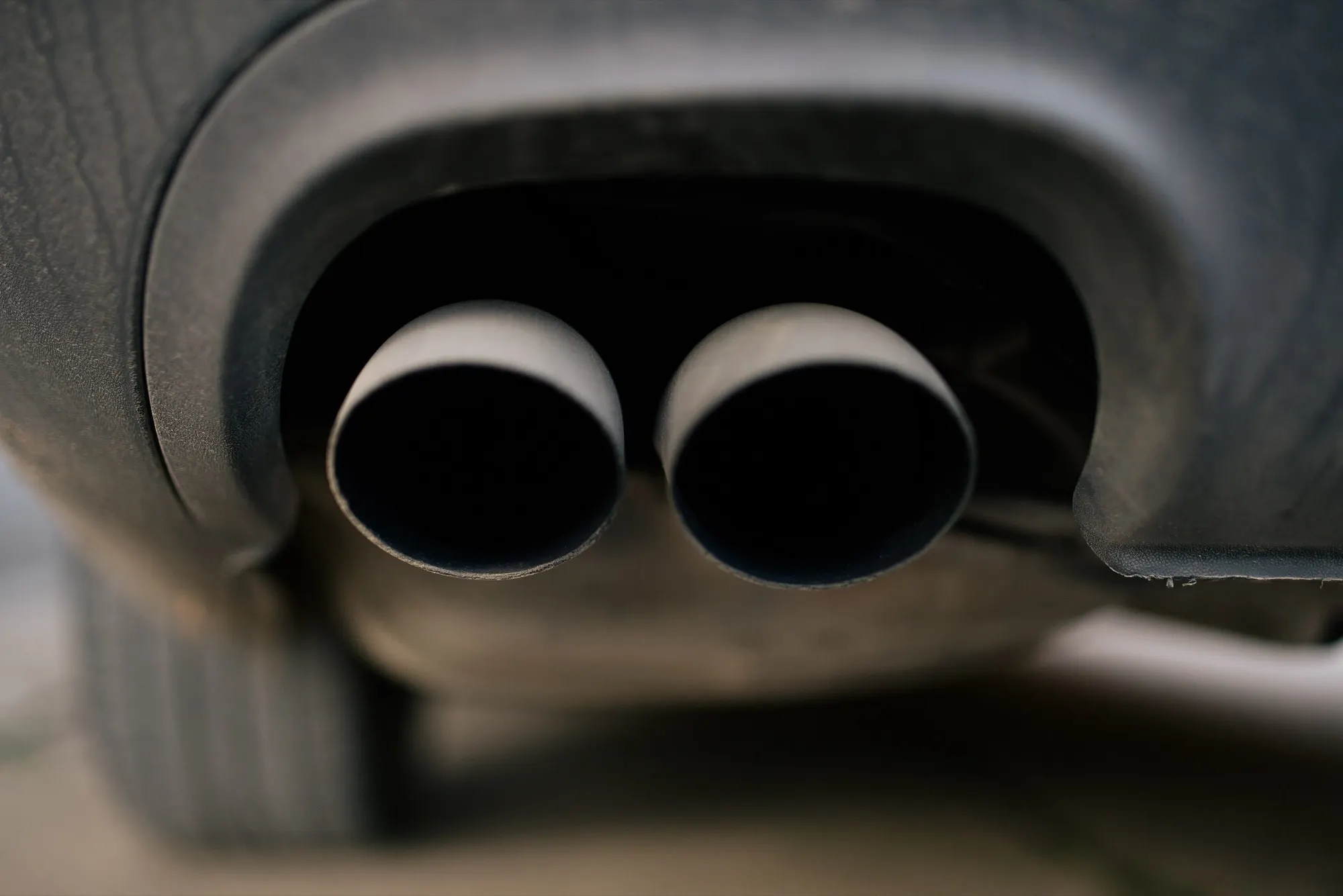
Euro 7 emissions standard: what it is about
The Euro 7 standard is laid down in Regulation (EU) 2024/1257. It brings the previously separate rules for cars and vans (Euro 6) and for lorries and buses (Euro VI) together in one piece of legislation. The rules are aimed at manufacturers: they have to prove that a vehicle meets the limits before it is granted type approval.
What is new is the wider view. Besides tailpipe emissions, Euro 7 also covers particles from brake wear, in future tyre wear and – for electric cars and plug-in hybrids – battery durability. As a result, the standard affects vehicles without an exhaust for the first time.
When does Euro 7 apply?
It is being introduced in stages. The key distinction is between new vehicle types, meaning newly developed models, and all newly registered vehicles. Longer deadlines apply to small-volume manufacturers.
- 29 November 2026: new types of cars and light commercial vehicles (categories M1 and N1)
- 29 November 2027: all new vehicles in categories M1 and N1
- 29 May 2028: new types of buses and lorries; 29 May 2029: all new vehicles in these categories
- 1 July 2028: new types of car tyres (class C1) must meet the abrasion requirements
What changes for exhaust emissions
For cars, the limits for the familiar pollutants in the test cycle remain essentially the same as under Euro 6. Things get stricter for particles: particles are now counted from 10 nanometres instead of 23, and the particle limits apply to all petrol engines, not just direct-injection ones. The limit for evaporative emissions from petrol vehicles falls to 1.5 grams per test.
Above all, vehicles have to meet the values for longer: over a main lifetime of 160,000 kilometres or eight years and, with an allowance on the limits, up to 200,000 kilometres or ten years. An on-board monitoring system is meant to detect when emissions in use are too high. The regulation expressly bans tampering with emission control, software or the odometer.
Brake wear and tyre wear
For fine dust from brakes (PM10), the following limits apply until the end of 2029: 3 milligrams per kilometre for pure electric cars and 7 milligrams per kilometre for all other drive types, for cars and most vans. Electric cars have the lower value because they do a large share of their braking by recuperation. From 2035 the regulation provides for a single limit for all drive types.
For tyre wear, the measuring method and limits have not yet been finalised; the regulation sets deadlines staggered by tyre class. For drivers nothing changes for now – except that in a few years new tyre models will also be assessed on their abrasion.
Minimum values for batteries and a digital environmental passport
For electric cars and plug-in hybrids in category M1, Euro 7 prescribes minimum values for the battery: up to five years or 100,000 kilometres it must still store at least 80 per cent of its original energy, and up to eight years or 160,000 kilometres at least 72 per cent. This is a type-approval requirement and does not replace the manufacturers' contractual commitments.
Then there is the Environmental Vehicle Passport: a digital data record with information on pollutant limits, CO2 emissions, fuel and electricity consumption, electric range and battery durability at the time of registration. Vehicle users should also be able to call up current values such as the battery's state of health – useful when buying a used car, for example.
What applies in Switzerland?
Switzerland does not set its own emission limits for new cars; instead, the Ordinance on the Technical Requirements for Road Vehicles (VTS) refers to the EU rules. Regulation (EU) 2024/1257 is listed in Annex 2 of the VTS. Under Article 3b VTS, the transition periods of the relevant EU regulation apply in principle, unless the VTS specifies other deadlines.
One special feature: for registration in Switzerland, what counts is the date on which a vehicle was imported or built in the country. If you are buying or personally importing a new vehicle close to a cut-off date, it is best to ask the dealer, the road traffic office or the Federal Roads Office (FEDRO) for binding information.
What does this mean for your current car?
Euro 7 concerns new type approvals and new registrations. Vehicles that are already registered do not have to be retrofitted and may continue to be driven. The duty to have an emissions service carried out also stays as it is: under the Swiss Traffic Regulations Ordinance, motor vehicles with a recognised on-board diagnostic system are exempt – for light vehicles, that means petrol engines from Euro 3 and diesels from Euro 4. Older vehicles need an emissions service every 12 or 24 months, depending on engine and catalytic converter.
If the engine warning light comes on or the emissions service is due, the car should go to a workshop. At Semes Automobile AG in Zurich-Oerlikon you can request an appointment for the emissions service, whatever the make of your vehicle.
Frequently asked questions
When does the Euro 7 emissions standard apply?
In the EU from 29 November 2026 for new types of cars and light commercial vehicles, and from 29 November 2027 for all new vehicles in these categories. Later dates apply to lorries and buses.
Can I keep driving my Euro 6 car?
Yes. Euro 7 governs type approval and the first registration of new vehicles. Cars that are already registered are not affected by the regulation.
Does Euro 7 also affect electric cars?
Yes. Electric cars are subject to a brake-wear limit of 3 milligrams per kilometre and minimum values for the battery: 80 per cent of the energy up to five years or 100,000 kilometres, 72 per cent up to eight years or 160,000 kilometres.
Does Euro 7 also apply in Switzerland?
Switzerland adopts the EU emission rules through the VTS; the Euro 7 regulation is listed there in Annex 2. For registration in Switzerland, the date of import or of manufacture in the country is decisive.
Sources
- Verordnung (EU) 2024/1257 über die Typgenehmigung von Kraftfahrzeugen hinsichtlich ihrer Emissionen und der Dauerhaltbarkeit von Batterien (Euro 7) – EUR-Lex (Amtsblatt der Europäischen Union)
- Euro-7-Abgasnorm: Wann sie kommt und was sich ändert – ADAC
- Verordnung über die technischen Anforderungen an Strassenfahrzeuge (VTS), SR 741.41 – Fedlex – Publikationsplattform des Bundesrechts
- Verkehrsregelnverordnung (VRV), SR 741.11, Art. 59a–59c Abgaswartung – Fedlex – Publikationsplattform des Bundesrechts
The facts in this article are based on these sources (accessed on 28 November 2026). For binding information, the body concerned is authoritative. General information without warranty; it does not replace individual advice.
More articles
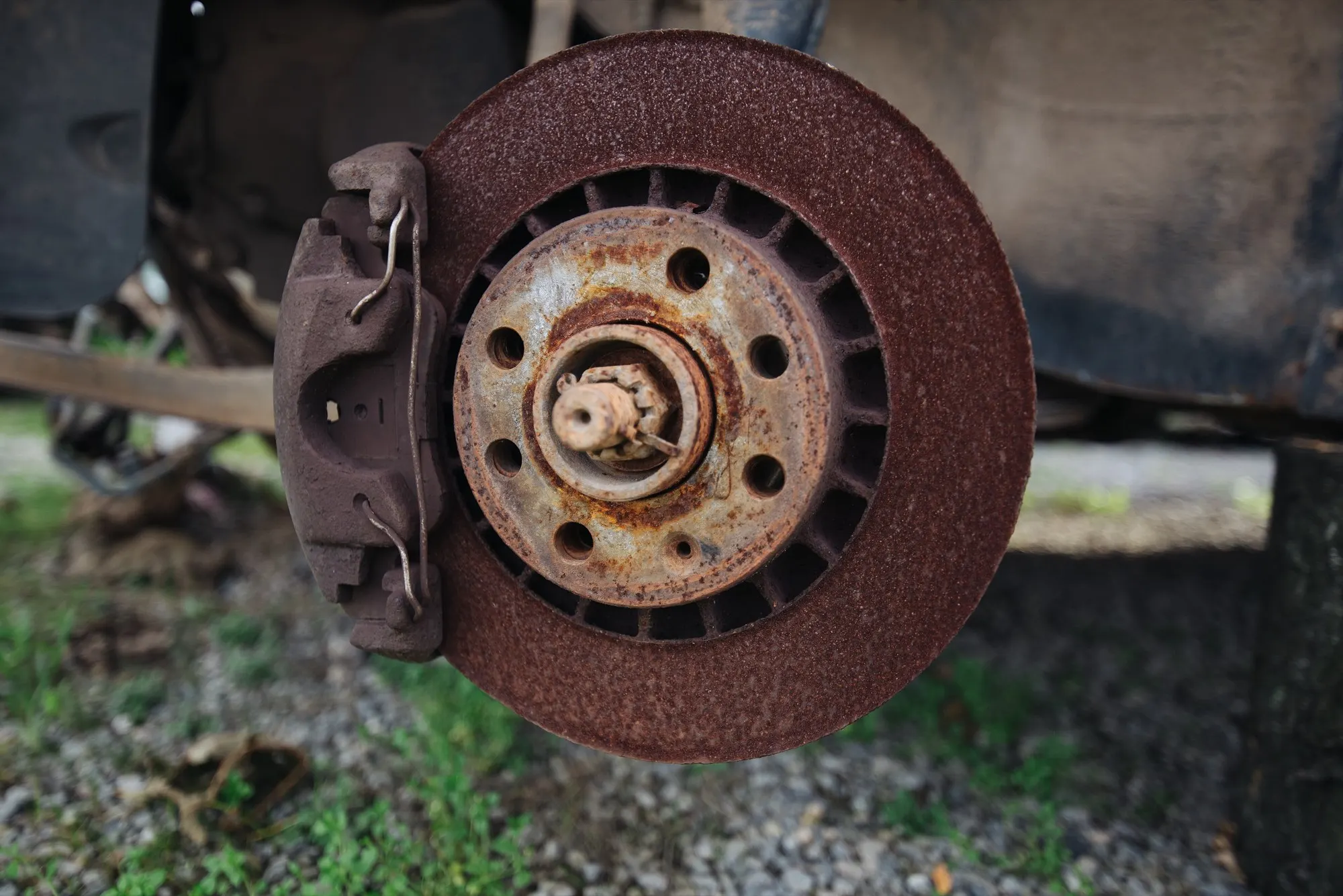
Technology
Electric car brakes: regenerative braking, rust and proper care
An electric car mostly brakes with its motor and recovers electricity as it does so. This regenerative braking spares the brakes – and for that very reason creates a new problem: rust on discs that are hardly used.
5 min read
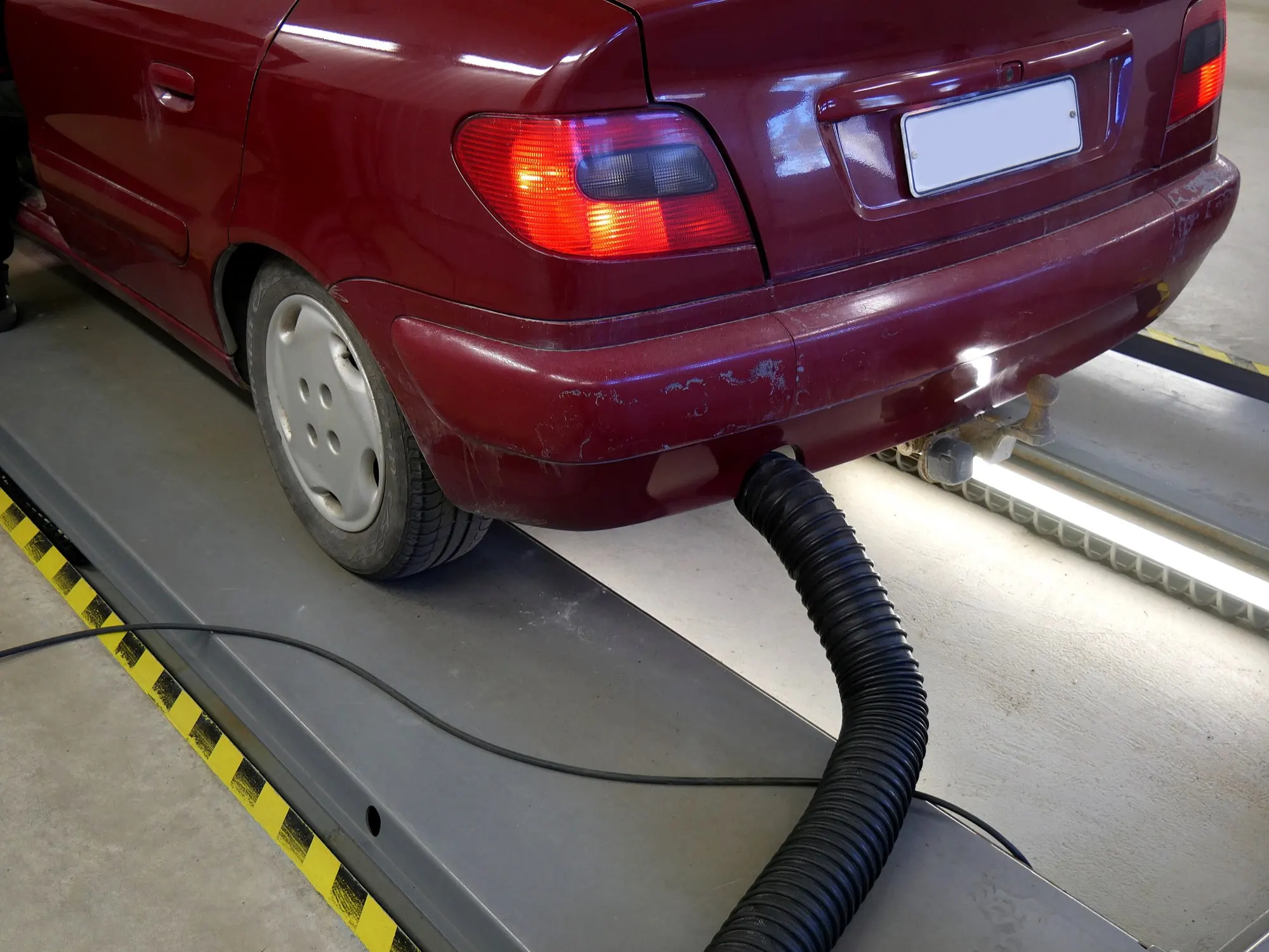
Advice
MFK vehicle inspection: preparation, intervals and a checklist for Zürich
The summons to the MFK is in your letterbox. Now what? With a little preparation, the inspection at the Road Traffic Office loses its terrors. Here you can read how often it is due, what the inspectors look at and what you can check yourself beforehand.
5 min read
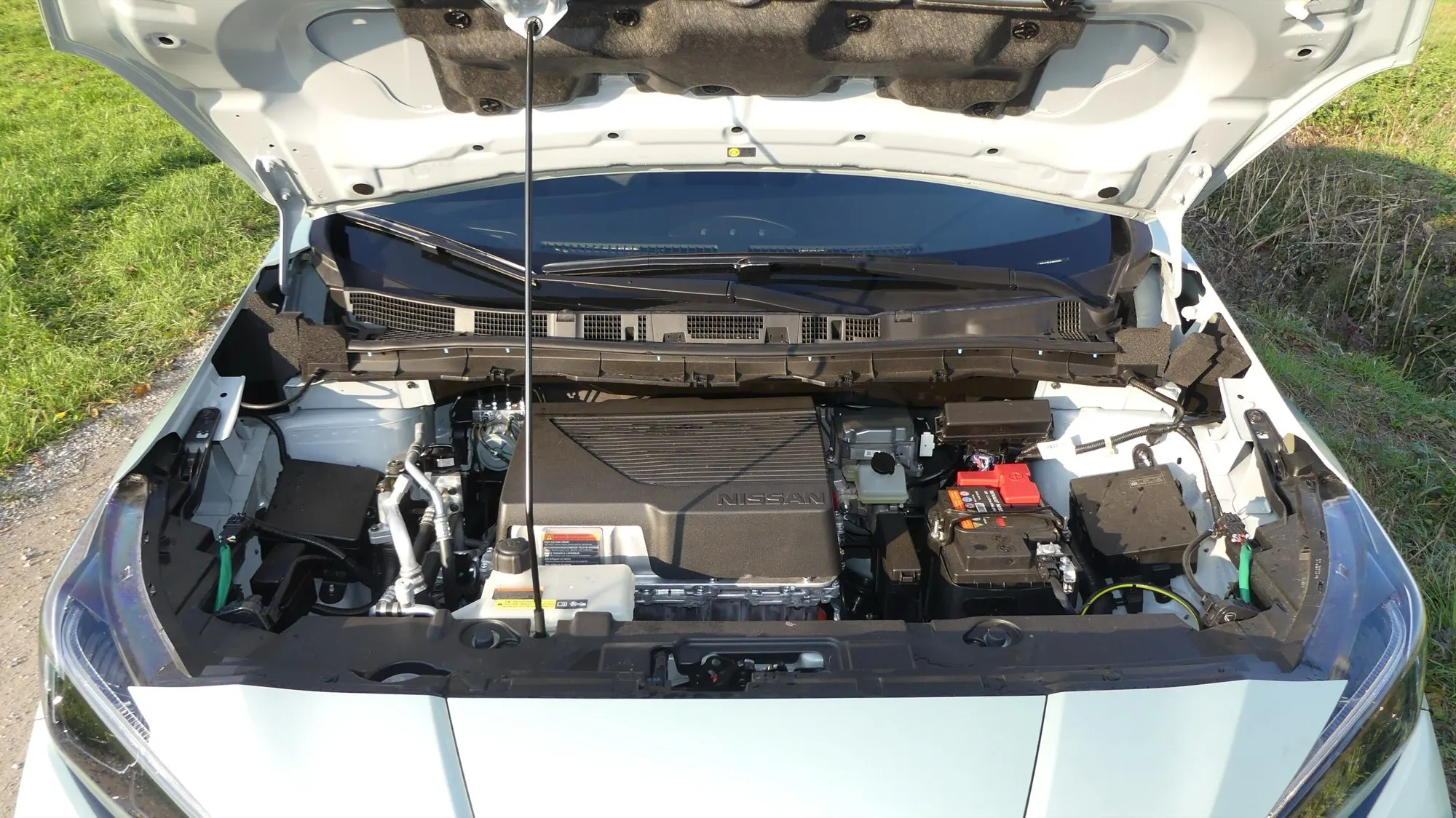
Technology
Electric car servicing and maintenance: what stays, what goes
No oil change, no spark plugs, no exhaust: an electric car needs less servicing and maintenance than a combustion car – but not none. An overview of what remains on the list.
5 min read