Technology5 min read
Plug-in hybrid fuel consumption: on paper and in everyday driving
One to two litres per 100 kilometres in the brochure, often several litres more in everyday driving. With a plug-in hybrid, fuel consumption depends more than with any other drivetrain on how often the car is plugged in.
Published on
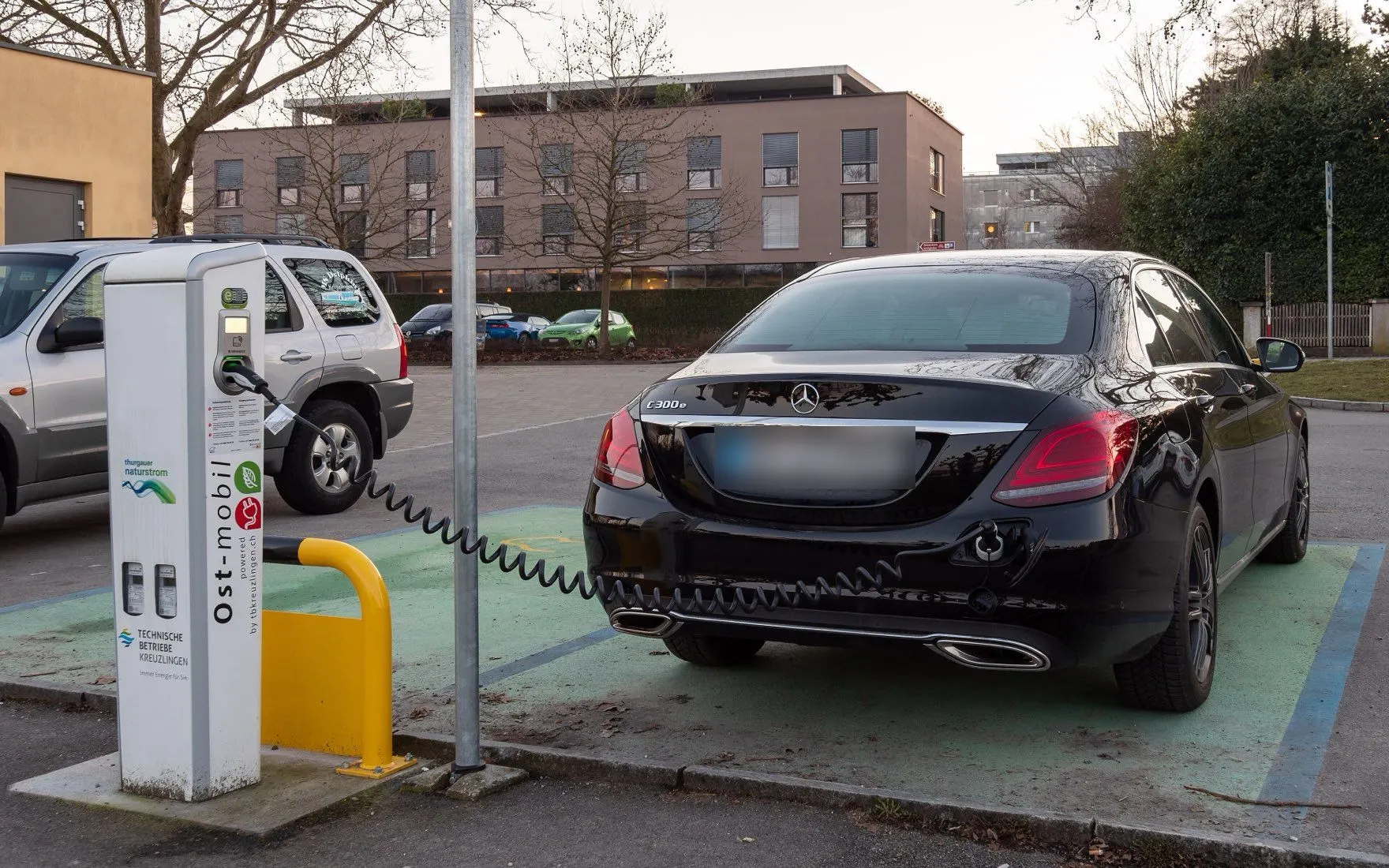
Plug-in hybrid: how the test consumption figure comes about
A plug-in hybrid (PHEV) has a combustion engine, an electric motor and a battery that can be charged from the grid. Its test consumption is therefore a blended figure: the WLTP test procedure assumes that a certain share of the distance is driven purely on electricity. This assumed share is called the utility factor. According to the Swiss research institute Empa, it typically lies between 70 and 85 per cent for plug-in hybrids.
The longer the electric range, the higher the assumed electric share – and the lower the petrol consumption on paper. That is how test figures of one to two litres per 100 kilometres come about. They only hold if the car really is charged as often as the formula assumes.
What real-world measurements show
New cars in the EU now record their consumption on board. The European Commission published the first analysis of these data in 2024: for plug-in hybrids first registered in 2021, real-world CO2 emissions were on average 3.5 times the type-approval figure. That corresponds to roughly four litres of fuel more per 100 kilometres. For petrol cars the gap was 23.7 per cent, for diesel cars 18.1 per cent.
The Commission also gives the reason: plug-in hybrids are charged and driven electrically less often than assumed. An analysis by Fraunhofer ISI and the ICCT covering around 9,000 vehicles in Europe showed as early as 2022 how much usage matters. Privately driven plug-in hybrids used 4.0 to 4.4 litres on average, company cars 7.6 to 8.4 litres per 100 kilometres – against test figures of 1.6 to 1.7 litres. Private owners drove 45 to 49 per cent of their kilometres electrically, company cars only 11 to 15 per cent.
Cold, heating and driving style: the Empa measurements
For Switzerland, Empa measured twelve current plug-in hybrids on a chassis dynamometer on behalf of the Federal Office for the Environment: at 23 degrees, at minus 7 degrees and at minus 7 degrees with the heating on, plus a more dynamic driving profile. The result, published in July 2026: cold, heating and brisk driving shorten the electric range considerably, and the combustion engine cuts in earlier and more often.
Design matters too. According to Empa, rather light vehicles with moderate power and a balanced battery size did best. Two drivetrains mean extra weight that has to be carried along as soon as the battery is empty.
For Switzerland the researchers expect a somewhat higher electric driving share than the European average, because journeys here are shorter and there are fewer company cars. That estimate assumes charging every evening, however; real charging data are still lacking.
Why new test figures are higher
The EU has reacted to the gap and adjusted the way the utility factor is calculated; according to the Commission, the changes apply from 2025. ADAC gives an example: since 1 January 2026 a stricter factor has applied to new registrations, which raised the test consumption of an Audi A3 Sportback plug-in from 0.3 to 1.1 litres.
The car has not become thirstier as a result – only the assumption has become more realistic. Anyone comparing used and new cars should therefore check which year a consumption figure dates from. Consumption with an empty battery is more telling: ADAC measures it separately in its tests and recorded, depending on the model, 4.8 or 6.5 litres per 100 kilometres, for example.
How to keep consumption low in everyday driving
Whether a plug-in hybrid is economical is decided at the socket. ADAC recommends it above all to people who can charge regularly at home or at work and drive most of their journeys electrically. Those who can hardly ever charge are often better off with a full hybrid. These habits help:
Around Zurich, many everyday journeys are short enough for electric mode: the commute, the shopping trip, the drive to training. What matters is that charging becomes a routine – just as with a mobile phone.
- Charge as often as possible, ideally at a wallbox at home or at work
- Use the navigation system: it distributes the stored electricity better over the route
- Drive in hybrid mode on the motorway and save the electricity for town and country roads
- Avoid the mode that charges the battery from the combustion engine – it is inefficient
- Expect a shorter electric range in winter and charge more often accordingly
Two drivetrains, one service schedule
A plug-in hybrid has everything a combustion car has: engine oil, filters, spark plugs, an exhaust system. Compared with a purely electric car it therefore needs more maintenance, as ADAC notes. If the car is driven almost entirely on electricity, the combustion engine rarely runs – the service according to the manufacturer's schedule is still necessary.
At Semes Automobile AG in Zurich-Oerlikon, an independent garage for all makes, you can request an appointment for a service, emissions maintenance, brakes or a fault diagnosis. Mention in your request that the car is a plug-in hybrid and state the make, model and mileage.
Frequently asked questions
Why does my plug-in hybrid use more fuel than stated?
The test figure assumes that a large part of the distance is driven on electricity. If the car is charged less often, the journeys are longer or the weather is cold, the combustion engine runs more often and consumption rises well above the brochure figure.
How much does a plug-in hybrid use with an empty battery?
It depends on the model. In its tests ADAC measured 4.8 and 6.5 litres per 100 kilometres, for example. A plug-in hybrid is heavier than a comparable combustion car because it always carries its battery and electric motor.
Is a plug-in hybrid worthwhile without a charging point of your own?
Probably not. ADAC recommends plug-in hybrids to people who can charge regularly and points everyone else to a full hybrid or, for frequent long journeys, to an economical combustion car.
Sources
- Warum der reale Verbrauch von Plug-in-Hybriden oft höher ist – Empa / Der Bundesrat (admin.ch)
- First Commission report on real-world CO2 emissions of cars and vans using data from on-board fuel consumption monitoring devices – Europäische Kommission
- New plug-in hybrids deviate even more from test cycle fuel consumption than older vehicle models – Fraunhofer ISI
- Plug-in-Hybrid-Autos: Modelle, Reichweiten, Kosten, Verbrauch – ADAC
The facts in this article are based on these sources (accessed on 28 November 2026). For binding information, the body concerned is authoritative. General information without warranty; it does not replace individual advice.
More articles
Technology
Electric car range in winter: how much you lose and what helps
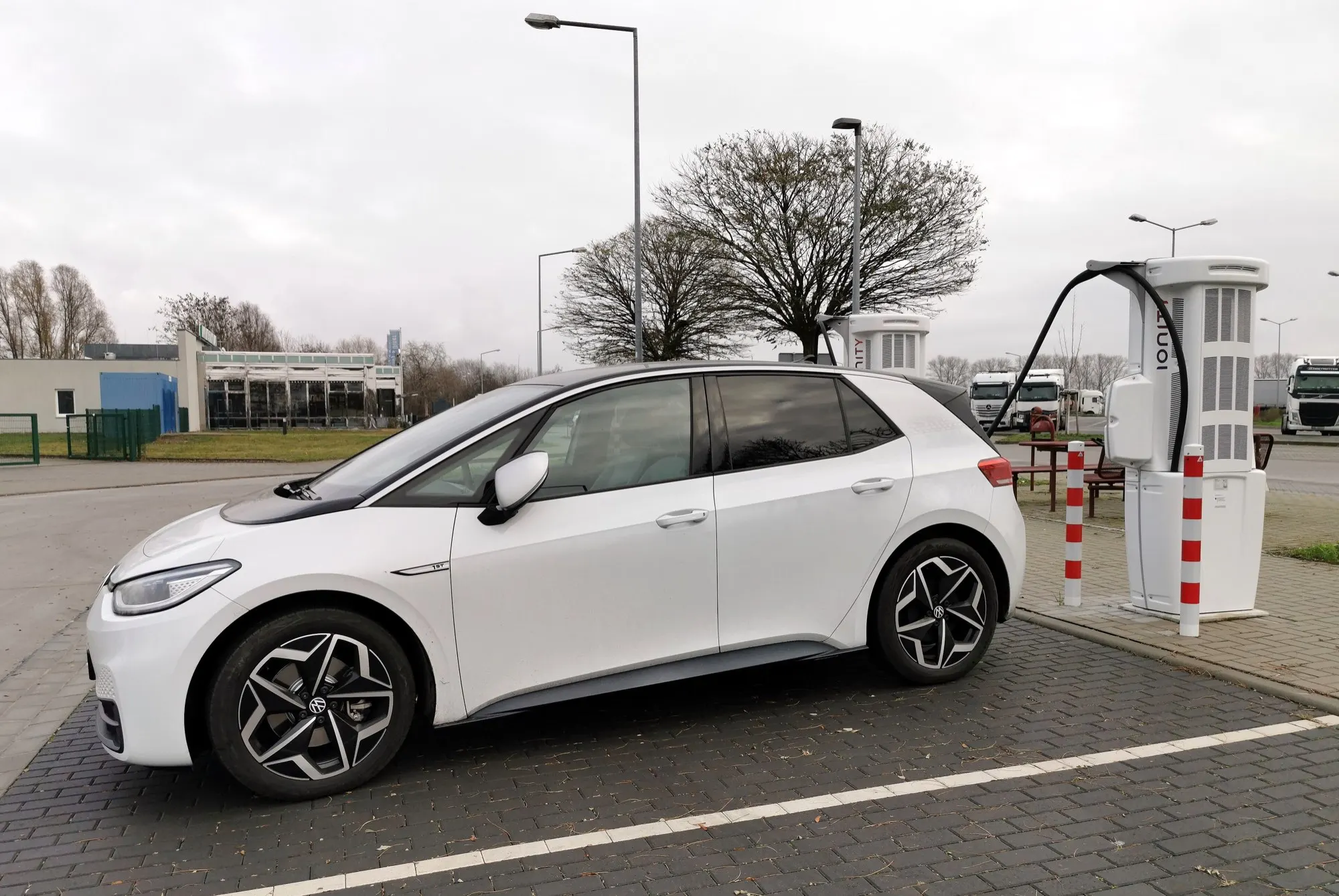
An electric car’s range drops noticeably in winter – in tests by around a quarter on average compared with the rated figure. The reasons are well understood, and pre-heating, seat heating and a moderate speed win back a good part of it.
5 min read
Technology
Electric car servicing and maintenance: what stays, what goes
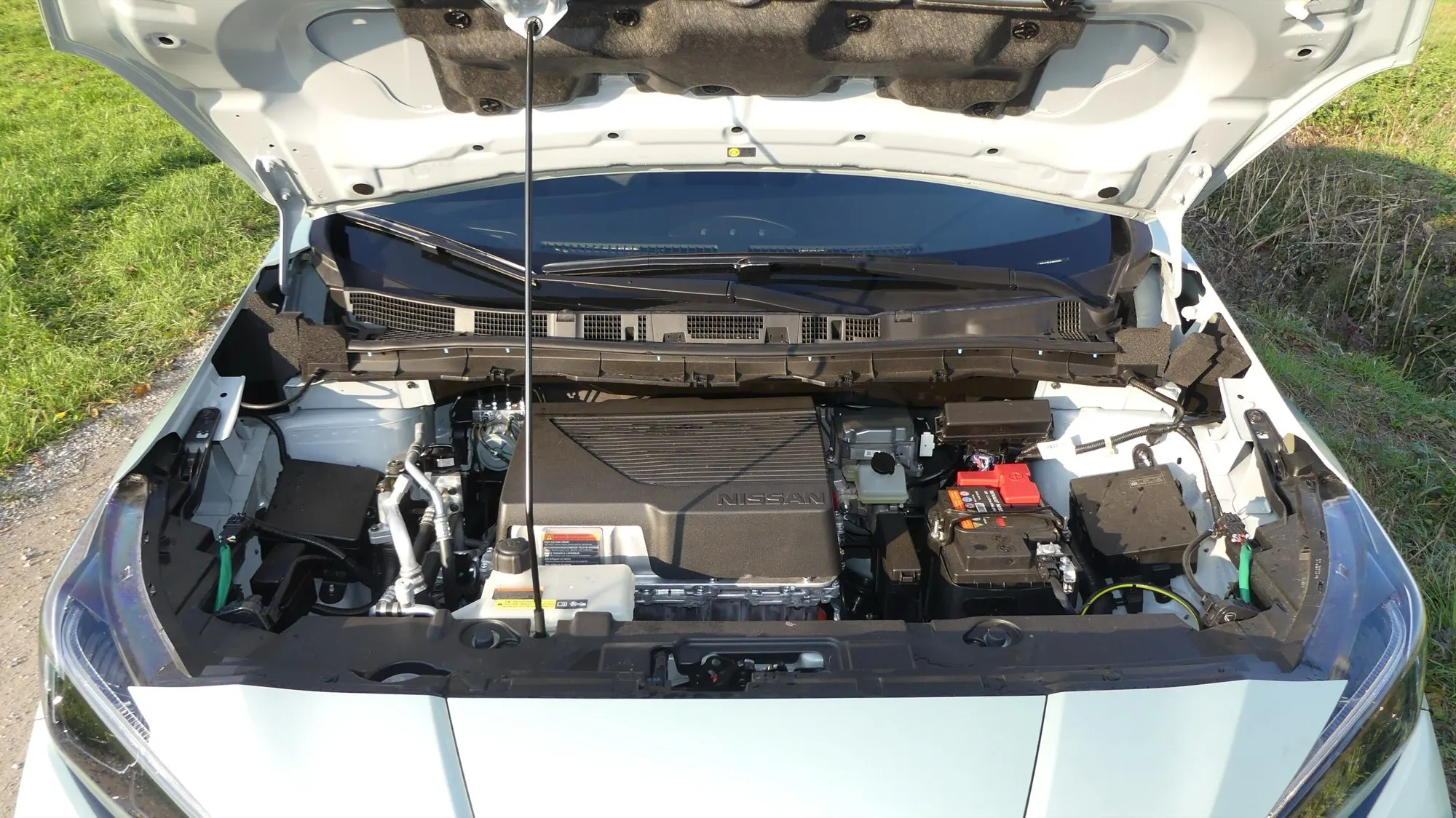
No oil change, no spark plugs, no exhaust: an electric car needs less servicing and maintenance than a combustion car – but not none. An overview of what remains on the list.
5 min read
New models
Euro 7 emissions standard: what applies from late November 2026
The Euro 7 emissions standard applies in the EU from 29 November 2026 to new vehicle types. For the first time, an emissions standard also covers brake wear and the durability of traction batteries. We explain what changes, what stays the same and what it means for drivers in Switzerland.
5 min read